The Intricacies and Dangers of Fugu: A Culinary Adventure

Date:

Share post:

- Advertisement -

Understanding Fugu: A Delicate Japanese Delicacy

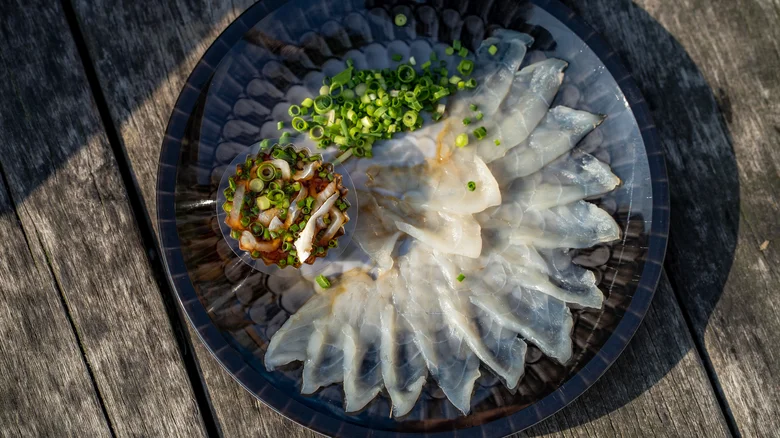
Fugu, a traditional Japanese dish made from the puffer fish, is renowned for its unique taste and the thrill it presents to diners. This extraordinary delicacy is not merely about flavor; it also embodies high levels of danger due to the potent toxins present in specific parts of the fish, namely the ovaries and liver. If improperly prepared, these toxins can cause serious illness or even death, making fugu one of the most meticulously regulated dishes in Japan.
The Risks of Preparation and Consumption

In the culinary world, specializing in fugu requires years of training and certification. Only experienced chefs are permitted to prepare this hazardous dish, due to the extreme risk it entails. Each year, Japan reports a handful of fugu-related fatalities, primarily arising from individuals who attempt to catch and prepare the fish on their own without proper training. Moreover, the FDA in the United States warns that restaurants and fish markets must source puffer fish exclusively from reputable suppliers to mitigate the risks associated with consumption.

The Exorbitant Luxury of Fugu

Despite its perilous nature, the allure of fugu continues to captivate adventurous eaters. The combination of rarity, delicacy, and risk elevates fugu to the status of an extravagant luxury. Diners often seek the thrill and a unique dining experience in consuming this dish, which is typically served sashimi-style. However, the potential for poisonings, especially from consuming the reproductive organs, serves as a stark reminder of the importance of seeking out only licensed chefs when indulging in fugu.

- Advertisement -
Ju She
Ju She
3375 St. John Street Dysart, SK S4P 3Y2 | admin@72onetravel.com

Related articles

The Cultural Legacy Behind Beijing’s Iconic Street Foods

Beijing street snacks may appear humble, but behind each familiar bowl and plate lies centuries of blended traditions—Manchu,...

The Simple Difference Between City and Country Hams — And the Worlds They Represent

Ham is so common that we tend to forget how much history and craftsmanship lie behind it. Whether...

The Retro Chicken Casserole That Faded from Memory: The Rise and Decline of King Ranch Casserole

American casseroles reflect many stages of the nation’s culinary evolution, from Depression-era shipwreck casseroles to the “million-dollar” dishes...

How Roast Goose Faded from Holiday Traditions—and Why Chefs Want It Back

Long before glazed ham and baked turkey dominated holiday menus, roast goose was the cherished centerpiece of winter...

Honey-Glazed Ham: A Festive Centerpiece That Brings Warmth to Every Holiday Table

When the holiday season approaches, there’s one aroma that seems to instantly summon memories of family gatherings, candlelight...

Stuffed Pumpkin With Aromatic Rice: A Cozy Fall Dish Rooted in Local Flavor

There’s something magical about the moment the air turns crisp and the markets begin filling with pumpkins of...

Discovering the Essence of a Traditional English Sunday Roast

The Tradition of Sunday Roast in Britain For centuries, the Sunday roast has been a cornerstone of British culinary...

The Fascinating Origins of Jamaican Oxtail: From Discarded Cut to Culinary Delight

The Historical Journey of Oxtail Oxtail has become a celebrated dish in Jamaican cuisine, known for its rich flavors...