The Historical Journey of Oxtail
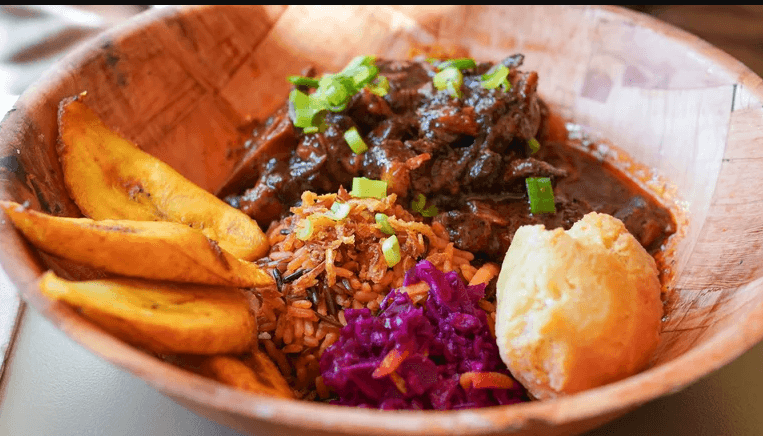
Oxtail has become a celebrated dish in Jamaican cuisine, known for its rich flavors and tender texture. However, this once humble cut of meat has undergone a remarkable transformation. From its inception in the 16th century, when enslaved Africans were brought to Jamaica, oxtail was perceived as merely a byproduct of the more desirable cuts of beef.
The Influence of African Cooking Styles
In Jamaica, with limited access to quality meat, enslaved individuals creatively employed the neglected off-cuts, like oxtail, integrating their African culinary traditions. This amalgamation of diverse cooking styles gave rise to a range of recipes, such as Jamaican oxtail stew and curry, packed with spices like allspice and thyme. The gradual evolution turned oxtail into a delicacy, demonstrating how necessity can fuel culinary innovation.
Modern-Day Oxtail Preparations
Today, oxtail is revered and celebrated for its unique qualities. Though it requires skill and patience to prepare, the result is a dish revered for its depth of flavor. Cooking oxtail low and slow allows the collagen-rich meat to tenderize, resulting in a sumptuous broth that enhances its natural richness. Modern recipes often feature sweeteners to achieve a stunning caramel color, complemented by herbs and spices that create a symphony of tastes.
In conclusion, the journey of oxtail from an overlooked cut of meat to a cherished component of Jamaican home cooking reflects the resilience and creativity of its cultural influences. On every Jamaican family’s table, oxtail stands as more than a dish; it is a symbol of history and culinary tradition.

