The upcoming costume drama Gui Luan (《归鸾》) has attracted significant attention since the announcement of its lead cast, featuring Zhang Linghe and Lin Yun in their first on-screen collaboration. In a landscape where repeated partnerships have become increasingly common, the choice to introduce a completely new pairing stands out as a deliberate shift away from familiar formulas. Over the past few years, the genre has seen multiple recurring pairings, leading to noticeable audience fatigue and growing calls for fresher chemistry on screen. By breaking away from established combinations, Gui Luan positions itself as a work willing to explore new creative directions.
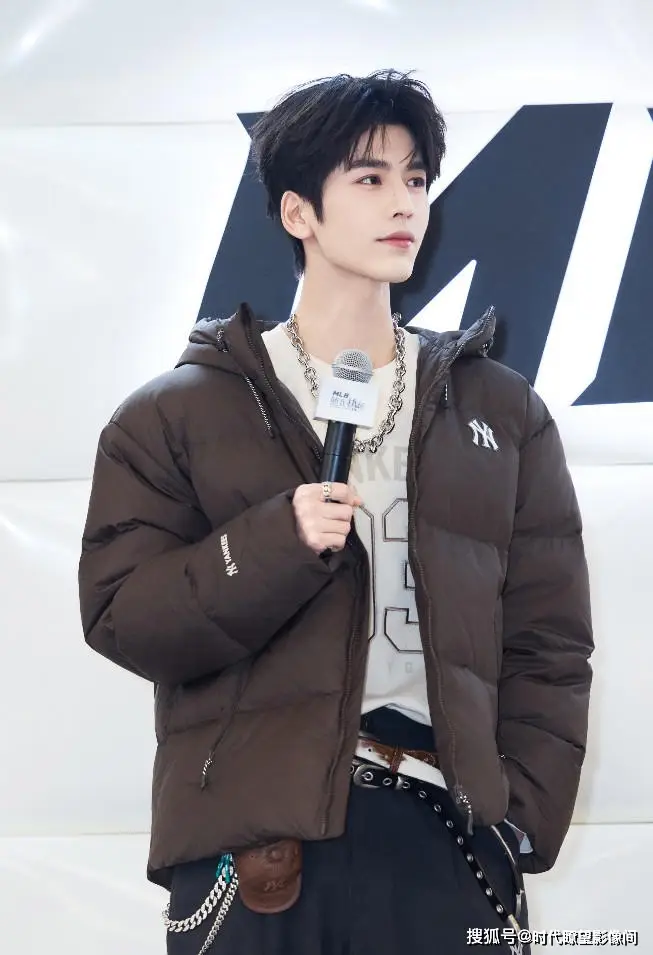
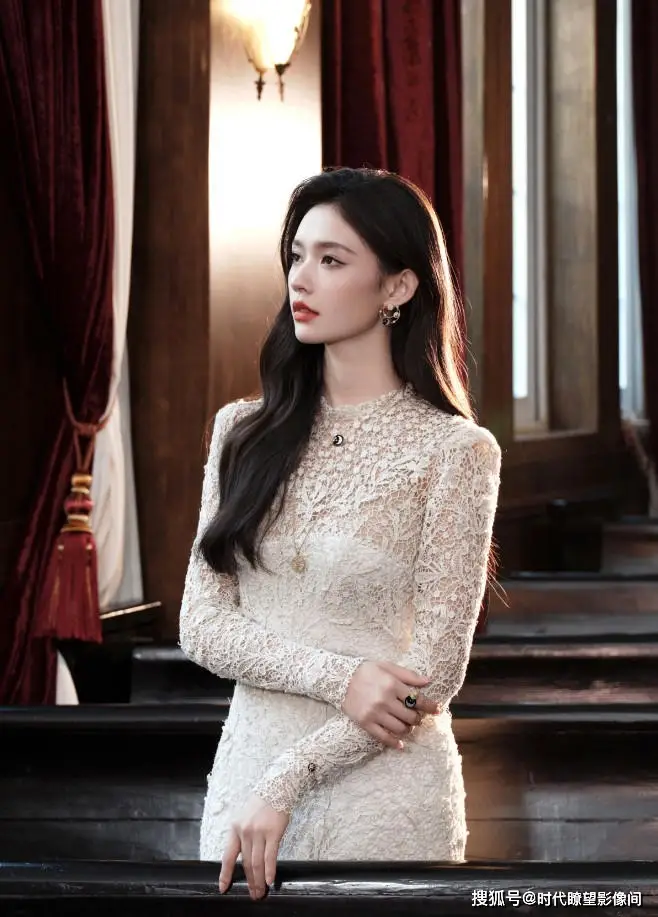
Zhang Linghe has built a recognizable presence in costume dramas, portraying characters that range from restrained and distant to youthful and sincere. His performance style offers distinct emotional textures that have resonated with viewers. Lin Yun, on the other hand, has moved beyond earlier labels and delivered increasingly nuanced interpretations in complex roles. In Gui Luan, the two will portray the deity Yun Yuan and the spirited young leader Qing Yin from the demon clan. The pronounced contrast between their characters enhances the drama’s potential for dramatic tension and raises expectations for their on-screen dynamic.
Industry observers note that Gui Luan, positioned as a major production, reflects a broader reassessment of the value of new on-screen pairings. International markets frequently rely on fresh collaborations to spark audience interest, while domestic productions have often leaned on familiar matches that may limit narrative freshness. Previous instances in which recurring pairings led to declining viewer completion rates underscore the market’s increasing demand for originality and distinct character portrayals.
Concerns about whether “new combinations lack existing popularity and may risk lower reception” remain part of the discussion. However, recent standout dramas have demonstrated that viewers prioritize story quality and character suitability over pre-established on-screen partnerships. The success of titles such as Love Between Fairy and Devil and Mysterious Lotus Casebook reinforces that compelling narratives and strong character alignment are more influential than repeated pairings. Gui Luan adopts a casting strategy centered on character fit, reflecting a direction that aligns with current audience preferences.
Within the broader context of the costume drama sector, Gui Luan signifies more than the introduction of a new pairing. It marks a shift toward embracing narrative freshness and recognizing the audience’s demand for distinctive character dynamics rather than familiar romantic templates. The project’s casting approach has already sparked considerable discussion and may signal further evolution in the genre. As production progresses, the drama’s performance will likely serve as an important indicator of future trends in the market.

