Chinese actor Wang Kai returned to public view after a long absence, yet the focus quickly shifted from his appearance at a holiday event to his noticeably frail figure. On November 24, at a Christmas lighting ceremony in Shenzhen, the 43-year-old appeared in a black suit that looked loose on his frame. Standing tall at 182 centimeters, he appeared unusually thin, with sunken cheeks, slender arms, and a visibly fatigued expression, prompting concern from attendees and fans alike.

Short video clips of the event circulated online, with some remarking that he looked “drastically altered,” while others questioned his health. The dramatic change, however, stems from his preparation for a new role. In September, filming began for a security-themed drama in which Wang Kai plays an officer whose storyline spans more than two decades. To accurately portray the character’s middle-aged appearance, he lost over fifteen kilograms within three months, resulting in a stark transformation.
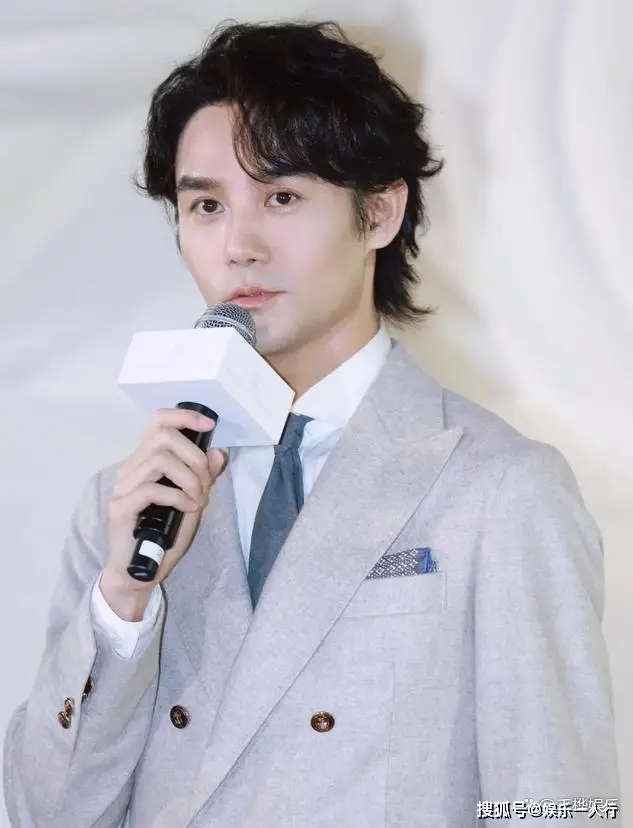
This is not the first time he has undertaken extreme physical adjustments for his craft. During the filming of Youth, he worked under harsh winter conditions, and while shooting Like a Flowing River, he also experienced sudden weight loss. Yet the current degree of change is more striking than before, with recent on-set photos showing a notably thinner frame and deep facial shadows, heightening concern over his well-being.
Wang Kai has a history of health issues that make this transformation more alarming. Following the passing of his father from lung cancer in 2017, he himself underwent surgery after discovering lung nodules during a routine checkup. He subsequently reduced his workload and publicly expressed the need to prioritize health, even adopting the personal mantra “Being alive matters more than being famous.”
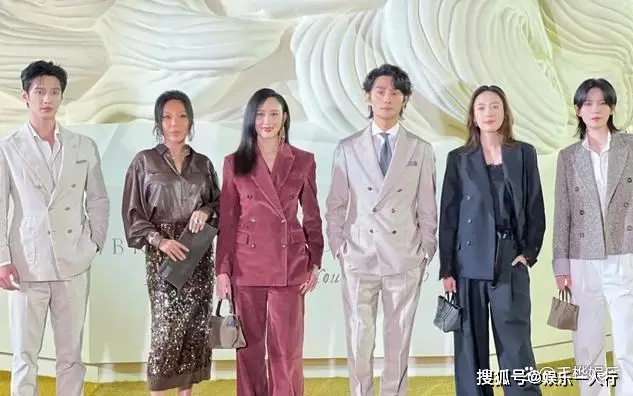
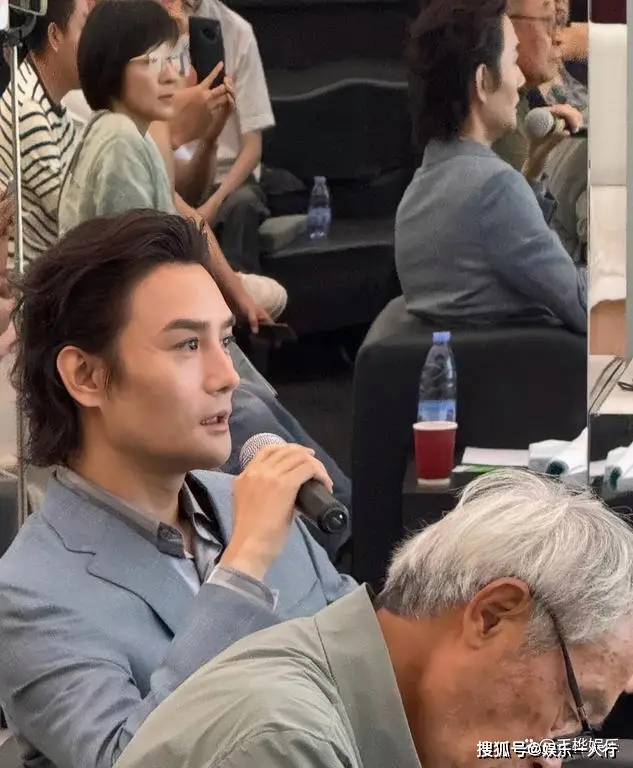
Despite maintaining long-standing discipline in his lifestyle and appearance, his recent weight drop appears to exceed what his profession requires. His team shared that he has been dealing with prolonged digestive issues affecting nutrient absorption, which likely contributed to the rapid loss of weight.
Professionally, Wang Kai has chosen a quiet, selective path. He rarely participates in entertainment programs, seldom updates his social media, and prefers to focus on projects that resonate with his artistic values. Known for turning down substantial commercial offers, he favors scripts with depth and has maintained a cautious approach to the roles he accepts.
His situation joins a broader trend of extreme physical transformations in the film and television industry. Several actors, including those who rapidly lose weight for demanding roles or undergo drastic body changes to portray complex characters, have sparked similar concerns. Medical professionals warn that rapid weight loss can lead to metabolic issues, muscle deterioration, and other health risks if not carefully supervised.
Recent sightings of Wang Kai at filming locations show a figure that many find difficult to reconcile with his previously robust on-screen image. As he left a rural set in Fujian, villagers waved goodbye, offering a poignant contrast to the debate emerging outside: how should performers navigate the tension between professional commitment and personal health?
Wang Kai’s weight loss serves as a catalyst for discussing the fine line between dedication and self-sacrifice. When physical transformation becomes the primary topic overshadowing an actor’s performance, it raises questions about the pressures embedded in the entertainment industry and how the pursuit of excellence should be balanced with respect for one’s own well-being.

