Long before glazed ham and baked turkey dominated holiday menus, roast goose was the cherished centerpiece of winter celebrations. Its prominence was not coincidental: the natural life cycle of geese aligned perfectly with autumn and winter festivities. Spending the summer and early fall feeding heavily, geese reached their peak fattiness just in time for Christmas. Europeans embraced this seasonal advantage and later carried the tradition with them to early America.
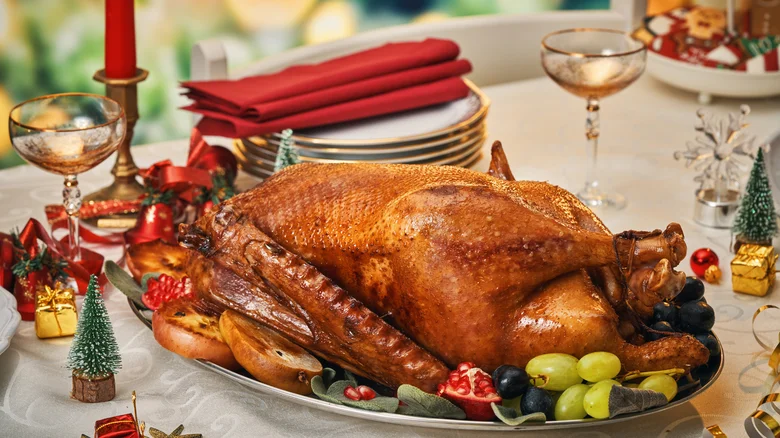
As the decades passed, however, roast goose gradually lost its place at the holiday table. Home cooks found the bird intimidating due to its high fat content, often struggling with over-roasting or undercooking. Meanwhile, turkey and ham became the more familiar and approachable choices. Generations grew up associating these meats with festive meals, reinforcing a new culinary tradition.
Even so, many chefs today encourage home cooks to revisit roast goose. They highlight its rich, distinctive flavor and the rewarding culinary experience it offers. For those willing to explore beyond standard holiday fare, roast goose represents a flavorful link to culinary history and a festive dish worth rediscovering.

