The National Park Service will begin charging an additional $100 per person for international visitors entering 11 of the country’s most popular national parks beginning January 1, 2026. The Department of the Interior announced the change, describing it as “America-first pricing.” The surcharge will be added on top of standard entrance fees and will exclude international travelers from fee-free days.
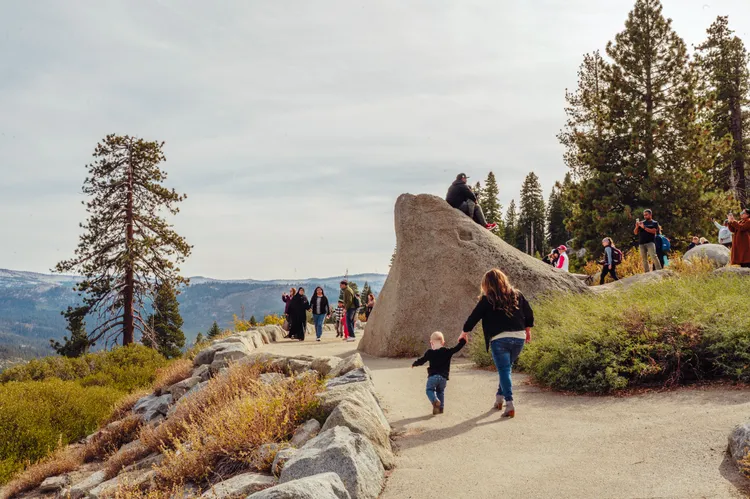
According to the Interior Department, the surcharge ensures that U.S. taxpayers—who already fund the National Park System—maintain affordable access, while international tourists contribute more toward preserving and improving the parks.
The fee will apply to 11 major parks, including Great Smoky Mountains, Zion, Grand Canyon, Yellowstone, Rocky Mountain, and Yosemite. This announcement follows an earlier executive order signed by President Donald Trump to raise entry fees for non-residents.
Revenue from the surcharge will be reinvested into park improvements, visitor facilities, maintenance, and enhanced services nationwide. However, enforcement details remain unclear, with experts noting that many questions still need answers.
Millions of international tourists visit U.S. national parks each year. A 2018 report indicated that over one-third of overseas travelers explore national parks or monuments during their trips.
Annual passes will also see a pricing split: $80 for U.S. residents and $250 for non-residents. All passes will shift to a digital format through Recreation.gov and cover entry for two motorcycles.
For U.S. citizens and residents, several fee-free days remain in place for 2026, including Presidents Day, Memorial Day, Flag Day, the July 4 holiday weekend, the National Park Service’s 110th anniversary, Constitution Day, Theodore Roosevelt’s birthday, and Veterans Day.

