At 25, actress Hu Lianxin recently shared her graduation photos from the Central Academy of Drama, quickly drawing widespread attention online. Unlike the heavily retouched graduation images often seen in the entertainment industry, her photos stood out for their simplicity and natural atmosphere, prompting many to describe them as a refreshing shift in campus aesthetics.
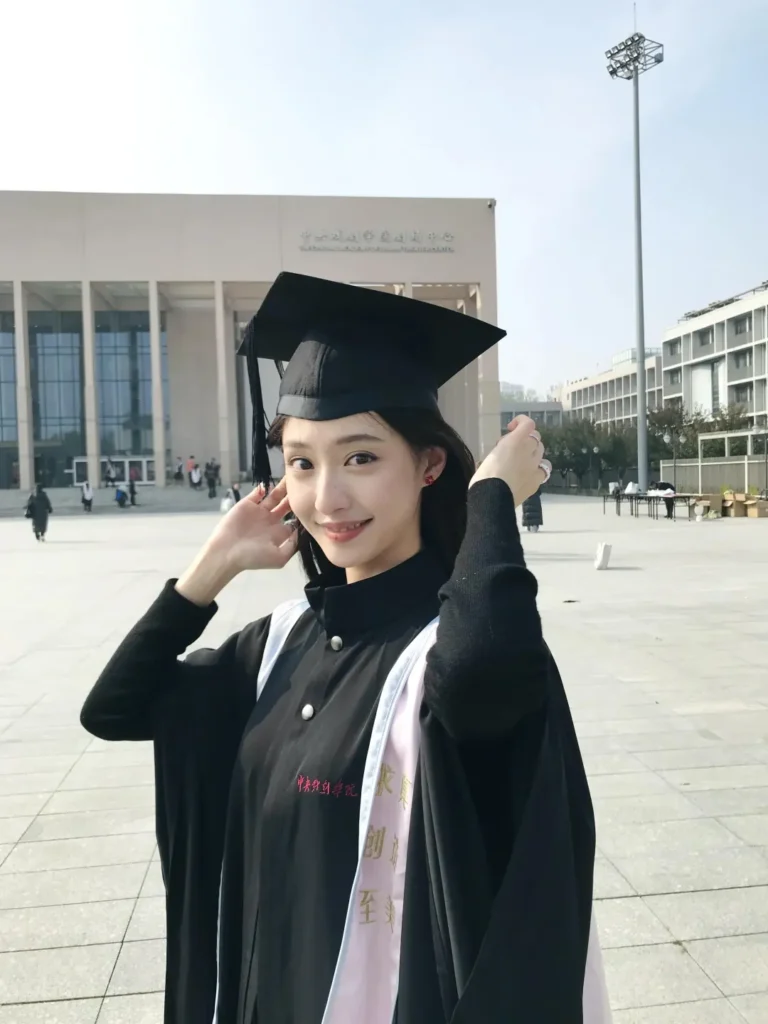
In the photos, Hu wears her graduation gown with minimal styling, posing casually alongside her classmates. Her expressions appear relaxed and unforced, free from the polished staging typical of celebrity photo releases. This understated approach resonated strongly with viewers, many of whom felt the images captured a more genuine version of campus life.
The discussion soon extended beyond appearance to broader reflections on youth. In an era dominated by filters and standardized visual trends, authenticity has become increasingly rare. Hu Lianxin’s graduation photos gained traction not because they were extravagant, but because they conveyed an unembellished sense of youth—something many young people feel is missing from curated online spaces.
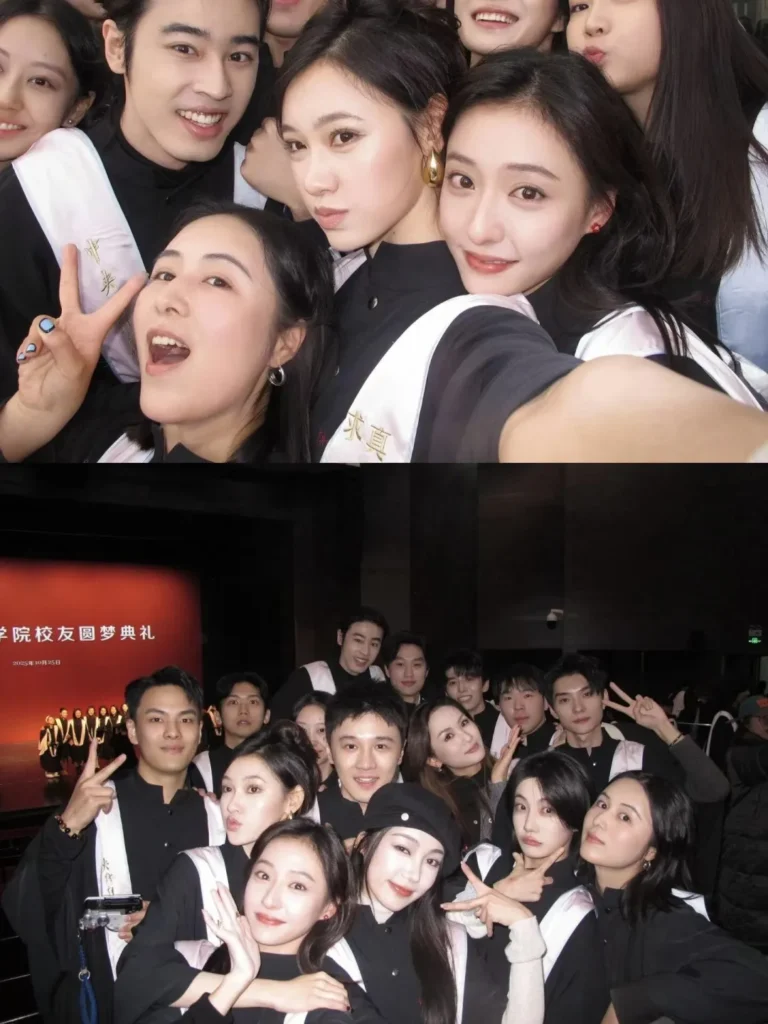
Professionally, Hu is not known solely for her looks. She completed a full undergraduate program in acting at the Central Academy of Drama, receiving formal training over four years. Her performances in dramas such as My Heroic Husband and My Journey to You have gradually drawn attention for their grounded quality, with some viewers noting a natural, lived-in presence rather than a purely commercial style.
Her background also contributes to public perception. Hu does not come from an entertainment family, and her path into the industry followed a relatively conventional trajectory. This makes her image easier for audiences to relate to, reinforcing the idea of steady effort rather than instant success driven by privilege.
More broadly, the popularity of her graduation photos reflects a shift in contemporary beauty standards. The concept of a “goddess” is no longer limited to distant perfection. Increasingly, audiences gravitate toward figures who feel approachable, self-aware, and comfortable showing imperfections. In this context, authenticity itself becomes a form of appeal.
Ultimately, the significance of Hu Lianxin’s graduation photos lies not in novelty, but in what they represent. By presenting youth in a sincere and unfiltered way, they invite viewers to reconsider how beauty and success are defined. The response suggests that today’s audiences are eager for representations of youth that feel real—reminding us that there is no single template for youth, and that ordinary moments are just as worthy of being remembered.

