On December 13, the family of acclaimed actress He Qing released an obituary announcing that she passed away peacefully in Beijing at the age of 61. Her farewell ceremony is scheduled to take place at 10:00 a.m. on December 15, 2025, at the Jiu’an Hall of Changping Funeral Home in Beijing.

He Qing was born on January 13, 1964, in Jiangshan, Quzhou, Zhejiang Province. She graduated from the Zhejiang Kunqu Opera Troupe and made her screen debut in 1983 with the film Shaolin Lay Disciples, marking the beginning of a distinguished acting career. Trained in traditional opera, she brought a refined classical sensibility and solid performance skills to film and television.
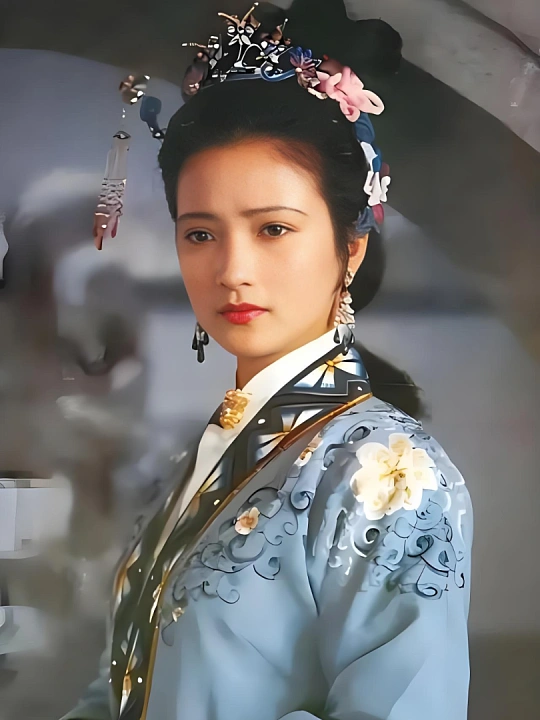
He Qing holds a unique place in Chinese television history as the only mainland actress to have appeared in adaptations of all four of China’s great classical novels. She portrayed Lianlian, an incarnation of Manjushri Bodhisattva, in Journey to the West (1984); Qin Keqing in the film Dream of the Red Chamber (1988); the gentle and graceful Xiao Qiao in Romance of the Three Kingdoms (1993); and the elegant Li Shishi in Water Margin (1996). These performances earned her the reputation of being a defining symbol of classical beauty on screen.
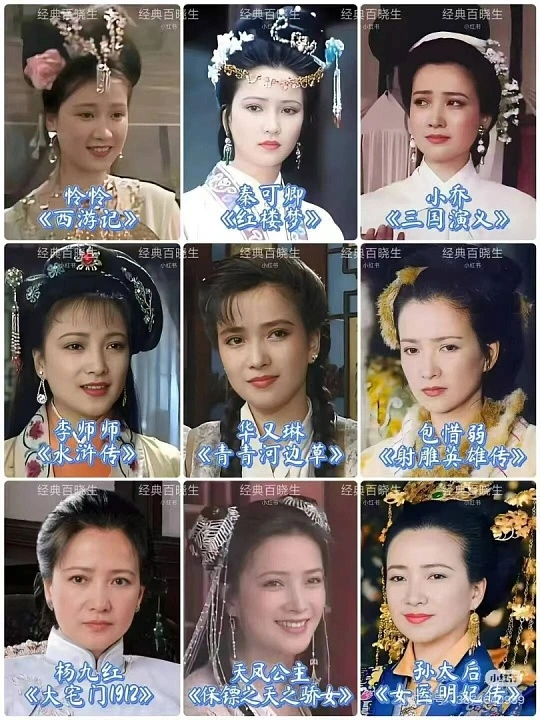
Beyond these landmark works, He Qing demonstrated remarkable range across different genres. In Green Grass by the River (1992), she portrayed Hua Youlin, a modern and independent woman. In The Story of Macau (1998), she broke away from her classical image to play the outspoken Eurasian character Odis. She later appeared in The Grand Mansion Gate 1912 (2011) as Yang Jiuhong, and in The Imperial Doctress (2016), she took on a villainous role for the first time, delivering a nuanced portrayal marked by both severity and restraint.
From the opera stage to television and film, He Qing’s career was defined by authenticity, discipline, and a distinctive artistic temperament. Her ability to move seamlessly between classical and contemporary roles left a lasting impression, and the characters she brought to life remain an enduring part of Chinese screen history.

