Yu Zheng’s latest costume drama 《玉茗茶骨》- Glory has sparked heated discussion since its premiere on Hunan TV, though the attention has leaned more toward controversy than acclaim. Starring Gulnazar and Hou Minghao, the series was promoted as a visually refined work rooted in traditional tea culture and Eastern aesthetics. However, its broadcast has quickly revealed a noticeable gap between ambition and execution.
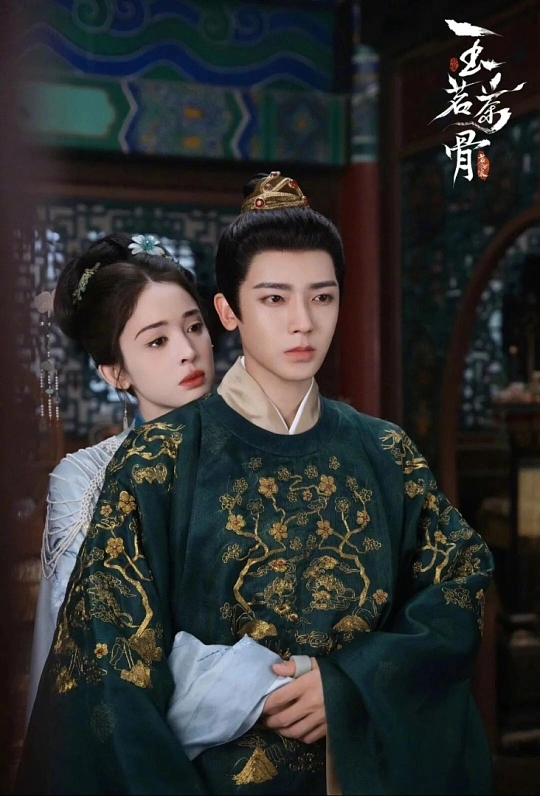
From a narrative standpoint, Glory attempts to combine romance, mystery, family power struggles, and elements of commerce into a single storyline. While the concept appears rich on paper, the actual storytelling suffers from a lack of cohesion. The plot frequently shifts direction, moving from suspenseful encounters to amnesia tropes, then abruptly into household intrigue and business rivalry. For many viewers, this constant switching disrupts emotional investment and weakens narrative momentum.
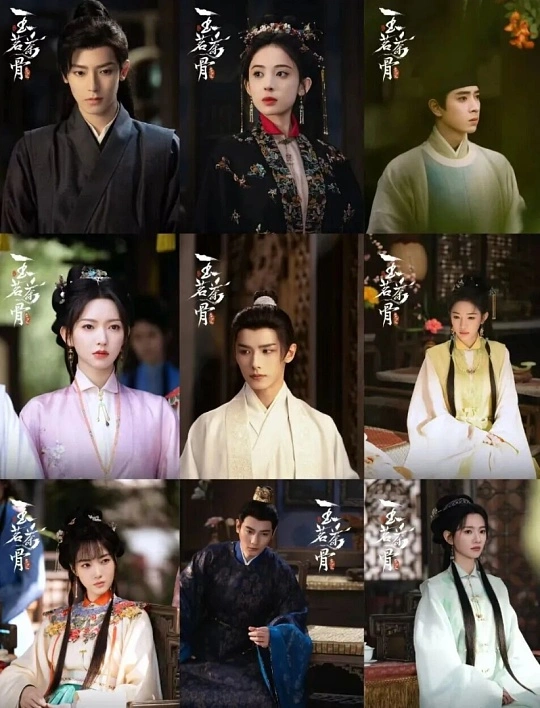
The drama centers on the relationship between Rong Shanbao, a tea clan heiress, and Lu Jianglai, a once-promising scholar whose fortunes decline. Yet the progression of their story often feels fragmented, with character motivations changing faster than they are developed. As a result, tension that should build gradually instead dissipates before reaching impact.
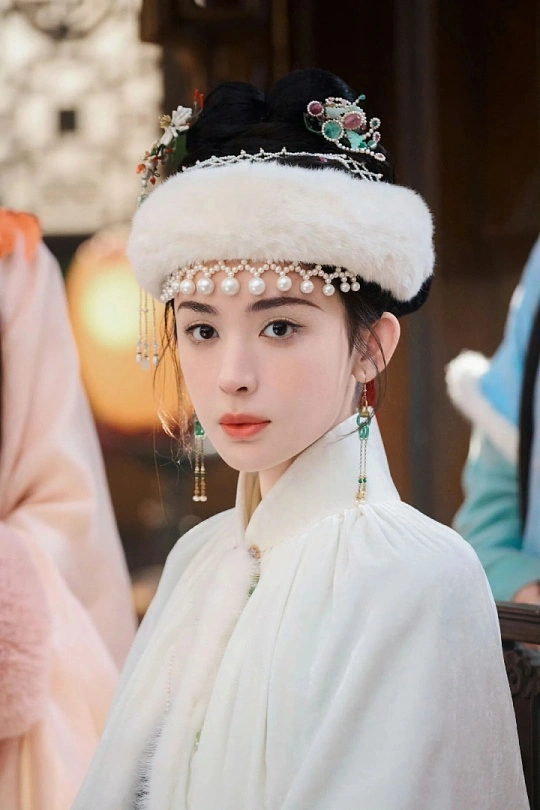
Visually, Glory remains consistent with Yu Zheng’s established production style. Costumes, props, and sets are meticulously arranged, and traditional cultural symbols are layered throughout the frame. However, the extensive use of pale, high-exposure filters has become one of the most criticized aspects of the show. The filter flattens facial features, reduces contrast, and limits the actors’ ability to convey subtle emotional shifts, leaving some scenes feeling artificial despite their ornate design.
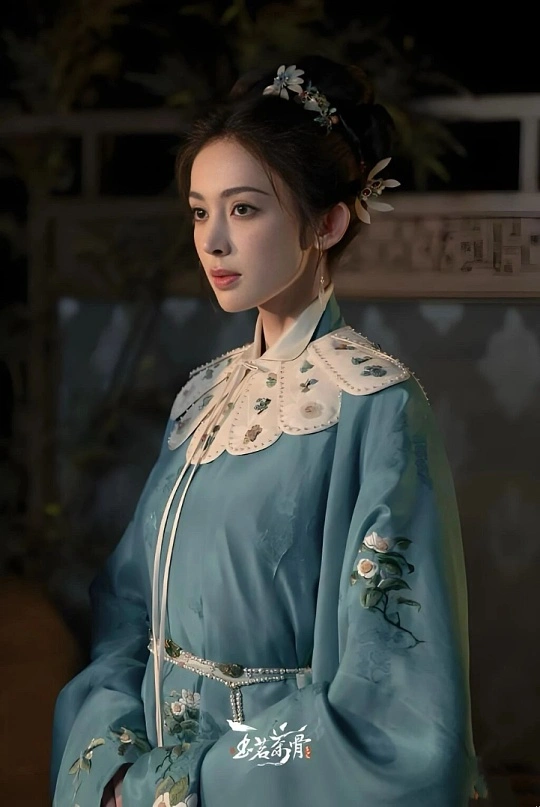
Gulnazar’s performance as Rong Shanbao has drawn particularly mixed responses. Some viewers note a conscious effort to restrain expressions and refine emotional delivery, suggesting incremental improvement compared to her earlier roles. Others argue that her body language and line delivery remain stiff, preventing the character from projecting the authority and presence expected of a leading heroine. Her visual appeal remains undeniable, but the performance struggles to fully anchor the role.
Hou Minghao faces similar challenges. His character is written to undergo a sharp transformation in identity and status, yet the emotional weight of that shift is not consistently conveyed. Critics point out that moments meant to showcase inner conflict often feel superficial, leaving the character underdeveloped despite ample screen time.
Beyond individual performances, Glory has reignited discussion about the longevity of Yu Zheng’s creative formula. In the early 2010s, similar works thrived in a market where audiences were more receptive to heightened drama and familiar tropes. Today, however, viewers are more sensitive to recycled structures and expect stronger logic, character depth, and emotional authenticity.
In this context, Glory reflects not just the challenges of one production, but a broader shift in audience expectations. Lavish visuals and recognizable formulas are no longer sufficient on their own. Whether the drama can regain momentum as it progresses remains uncertain, but its early reception clearly signals that the industry’s old shortcuts are becoming increasingly difficult to sustain.

