The entertainment industry kicked off 2026 with a brief but intense wave of speculation. On January 3, the studios of Guan Xiaotong and Wang Anyu issued near-simultaneous statements denying recent dating rumors, firmly stating that the claims were “entirely false and inconsistent with the facts.” Both sides confirmed that evidence had been secured and that legal action would be pursued to protect the artists’ rights.
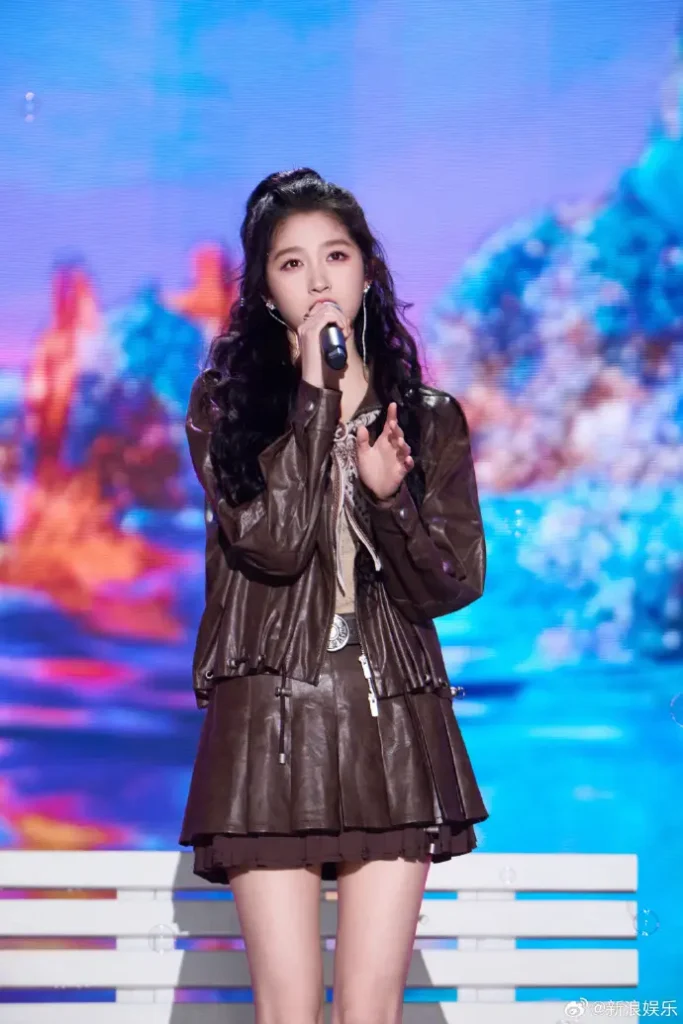
The rumors originated from a social media user who casually claimed in a fan group that Wang Anyu and Guan Xiaotong were in a relationship. The statement was not supported by photos, screenshots, or any verifiable material. Adding to the skepticism, the same account had previously made exaggerated claims involving multiple high-profile celebrities, further undermining its credibility.
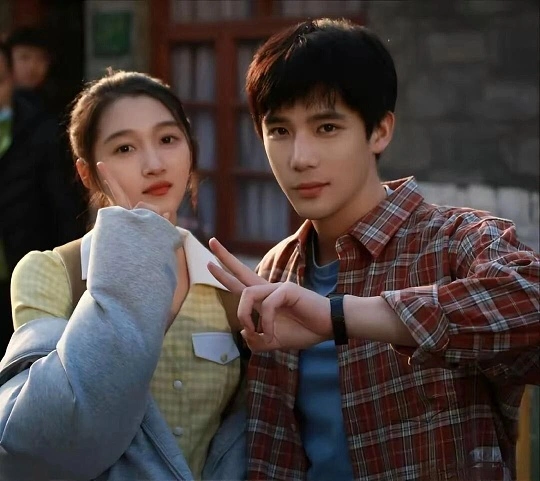
As the speculation began to spread, the response from both parties was notably decisive. Wang Anyu’s studio released a statement early that morning, labeling the rumors as groundless fabrications. Shortly afterward, Guan Xiaotong’s studio echoed the denial with nearly identical wording. The coordinated timing and firm stance effectively halted the rumor before it could gain further traction.
Following the clarifications, public discussion quickly shifted. Rather than focusing on the rumor itself, many online commentators questioned the ease with which unverified claims can circulate and potentially damage public figures’ reputations.
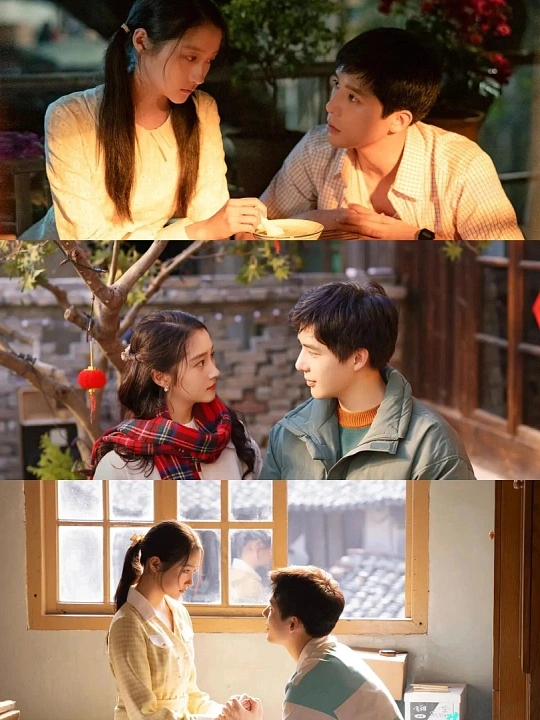
In today’s fast-moving digital landscape, unsupported statements can escalate rapidly, particularly when they involve celebrities’ personal lives. By choosing a direct and legal response, both studios sent a clear signal against irresponsible speculation.
This short-lived incident serves as a reminder of the increasingly visible boundary between curiosity-driven gossip and harmful misinformation. As accountability becomes more concrete, the cost of spreading unfounded rumors is steadily rising, encouraging greater caution before assumptions turn into headlines.

