Recent online discussions have intensified following a series of posts by blogger Si Xiaodi, which brought several entertainment figures into the spotlight. The claims, widely circulated on social media, touch on personal relationships, private interactions, and past controversies. It is important to note that much of the information originates from individual accounts and online speculation, and has not been fully verified by authoritative sources.
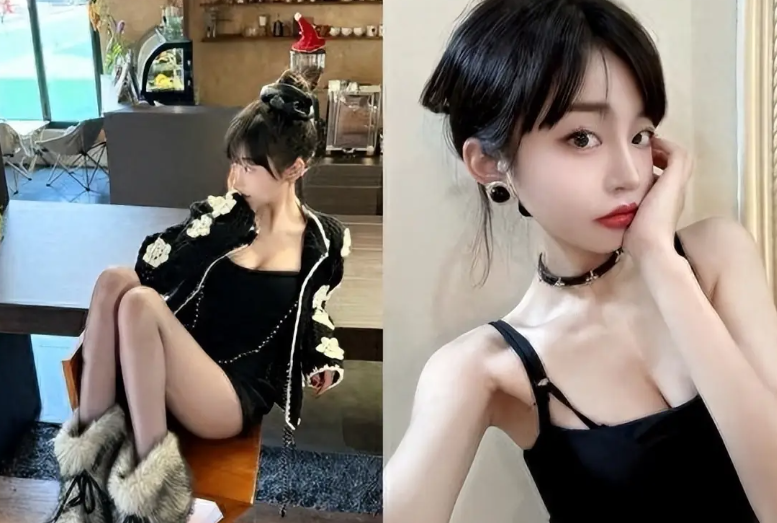
Some entertainers have been accused of maintaining overlapping relationships or engaging in inappropriate private behavior, while paparazzi reports and photos have further fueled public attention. In response, several artists or their agencies have issued statements, generally denying misconduct, clarifying relationship timelines, or emphasizing concerns over privacy and selective presentation of information.
Another focal point of the debate centers on the credibility and legitimacy of so-called “evidence,” such as screenshots of private messages or candid photos. Supporters view these materials as personal testimonies, while critics argue they may involve privacy violations, unclear context, or subjective interpretation, urging the public to remain cautious.
For certain individuals, past controversies have resurfaced amid the current discussion, amplifying the overall impact. At the same time, the whistleblower herself has become a subject of scrutiny, with online users questioning her motivations and personal background—claims that likewise lack definitive verification.
Overall, the situation reflects the volatility of online discourse when unconfirmed information spreads rapidly. As none of the allegations have been conclusively addressed through legal or official investigative channels, the full picture remains uncertain. For audiences, maintaining a balanced and critical perspective toward unverified entertainment news is essential while awaiting clearer facts.

