Tucked into the eastern edge of New York’s Adirondack region, Elizabethtown remains largely absent from mainstream travel itineraries. Located just over half an hour from the better-known Lake Placid area, the town offers a markedly different experience—one shaped by scale, history, and a close relationship with its natural surroundings. With fewer than 1,000 residents, it functions first and foremost as a living community rather than a tourist hub.
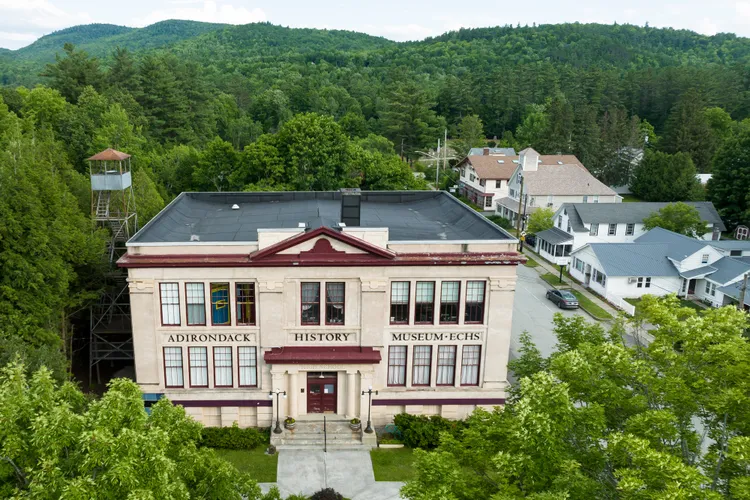
Founded in the late 18th century, Elizabethtown once thrived as a key stop along an early north–south travel route, well before the arrival of modern highways. That past is still visible today in its preserved architecture and historic streetscape, lending the town a sense of continuity rather than nostalgia.
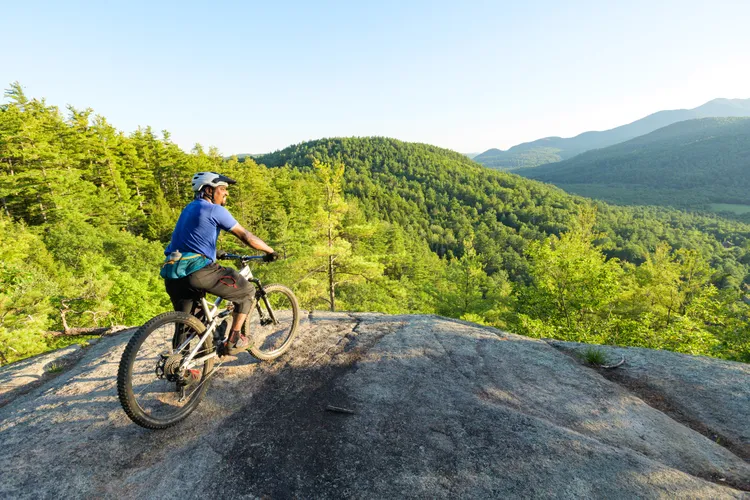
Geographically, the town is well positioned between the Champlain Valley and the Adirondack High Peaks, with a major freshwater lake just a short distance away. This setting provides year-round access to outdoor recreation, from hiking and mountain trails in warmer months to cross-country skiing and snowshoeing during winter.
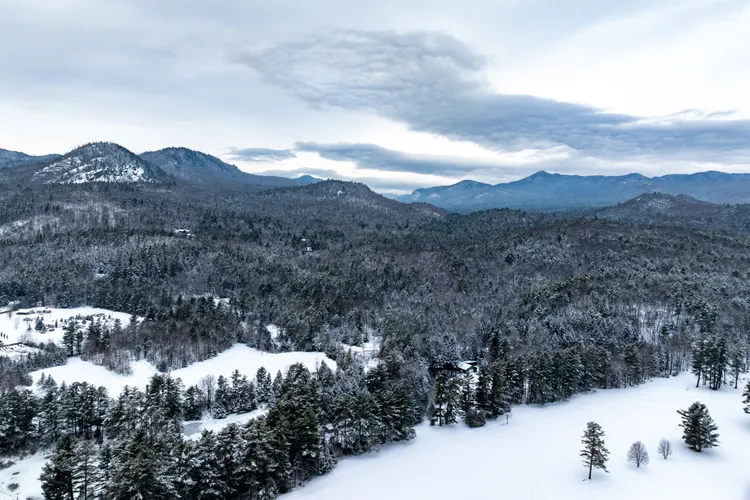
One of the town’s most distinctive features is a historic golf course located at its center, regarded as among the oldest of its kind in the region. Beyond its sporting function, the space serves as a community gathering ground, hosting seasonal events and local celebrations.
In recent years, Elizabethtown has seen renewed energy driven by returning residents and small-scale, community-oriented initiatives. Historic buildings have been adapted into multipurpose spaces that blend outdoor culture, craftsmanship, informal dining, and shared work areas, balancing preservation with contemporary needs.
The local food scene mirrors this ethos, favoring seasonal ingredients and regional sourcing. Dining spaces are modest and unpretentious, often doubling as informal meeting points for residents and visitors alike.

Seasonally, summer brings festivals and outdoor gatherings, while autumn draws attention for its foliage and ideal conditions for exploration. Winter transforms the town into a quieter mountain landscape defined by snow, low light, and a slower pace of life.
Elizabethtown does not present itself as a destination built for spectacle. Instead, it offers an example of a small Adirondack town where history, nature, and everyday life coexist—an environment that invites observation, participation, and, for some, the temptation to stay longer than planned.

