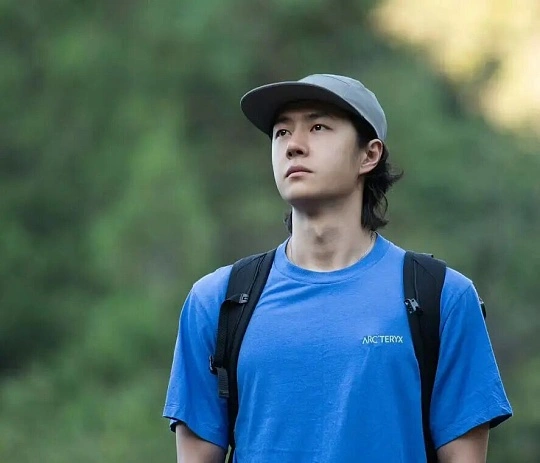
In China’s entertainment industry, Wang Yibo has gradually become synonymous with being an “unconventional” top star. Is he filming a new drama? He’s skiing. Shooting a magazine cover? He’s rock climbing. Appearing on a variety show? He’s racing. For fans, this pattern has turned into a half-joking refrain: as long as he’s safe, that’s enough.
The recent program Exploring New Horizons 2 once again brought this sentiment into the spotlight. In Squamish, Canada, Wang Yibo faced a wet, slippery rock wall nearly 3.8 meters high. After multiple attempts to climb it freehand without finding a stable foothold, he ultimately leaned back and fell into the sea. The moment he disappeared beneath the waves, viewers’ hearts collectively skipped a beat. Shortly afterward, the Chinese Mountaineering Association clarified that the activity was “deep water bouldering,” a discipline where falling into the water is a normal and expected outcome. The production team had also arranged professional safety support and emergency plans, making the fall a controlled and planned landing rather than an accident.
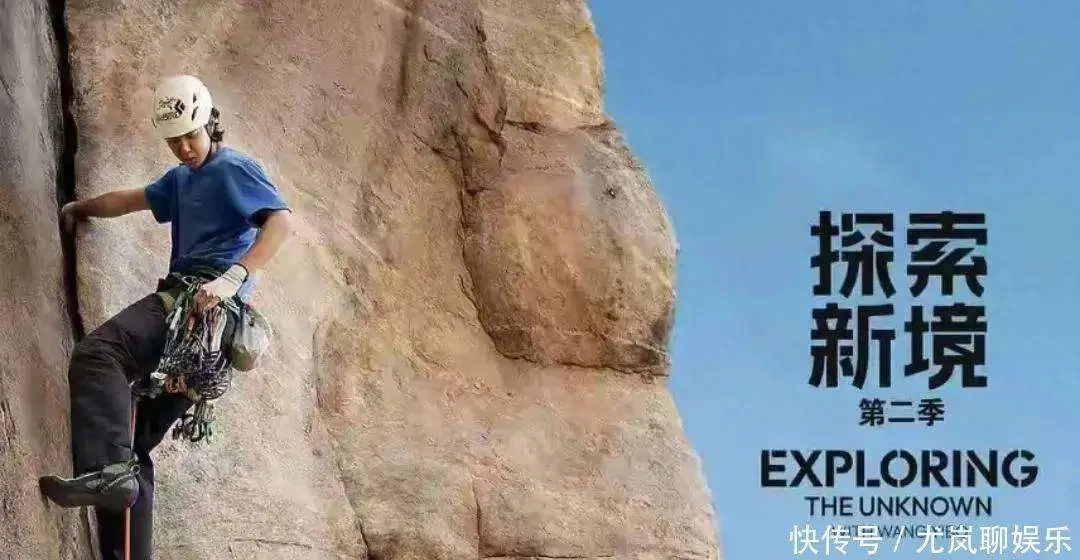
This was far from the first time Wang Yibo tested the nerves of his audience. While walking a slackline across a canyon, he struggled against strong winds for nearly 30 seconds before regaining balance, later commenting calmly that he had misjudged wind resistance. During climbing sessions, abrasions left his arms bleeding, yet he completed filming without complaint. Rather than relying on editing to construct a heroic image, he has consistently confronted challenges head-on, allowing the process itself to speak.
Offstage, his encounters with nature have also drawn attention. During a climbing trip in Yosemite, squirrels reportedly “attacked” his tent at night, mistaking it for a food stash. The following day, his attempt to chase away crows became an unexpected online talking point. These anecdotes, often shared humorously, underscore how closely his lifestyle is tied to outdoor environments. His social media presence resembles a logbook of extreme sports—racing, ice climbing, skateboarding—suggesting that the entertainment industry is only one part of his life, not its entirety.
This path is not simply rebellious. Wang Yibo has spoken openly about how the pain and struggle of climbing help him feel the reality of being alive. The brilliance of the stage and the solitude of the rock face coexist within him, forming a more complete picture of who he is. This same mindset was evident during the Henan floods, when he quietly joined relief efforts alongside Han Hong’s team, transporting supplies and assisting residents without publicity or staged images.
In an era defined by constant exposure and competition for attention, Wang Yibo has chosen a less predictable route. While others focus on maintaining visibility, he concentrates on calculating distances, reading wind conditions, and understanding his own limits. Paradoxically, this has made his presence feel steadier and more authentic.
His story suggests that true staying power does not come from numbers or trends alone. Popularity may fade and personas may shift, but skill, integrity, and the courage to act sincerely endure. When Wang Yibo next appears at the edge of another challenge, concern may be natural—but it is also a reminder that he is redefining what it means to be an idol, on his own terms.

