Many viewers first took notice of Zhang Huiwen not because of headlines or viral moments, but during a quiet, almost understated scene. She stood calmly within the frame, her features clear and composed, her gaze steady and unguarded. Sharing the screen with veteran actors such as Gong Li and Chen Daoming, she neither competed for attention nor faded into the background. Instead, she conveyed a rare sense of balance, suggesting a performer who belonged naturally in that space.

This early impression is precisely why her subsequent career trajectory has drawn a sense of regret among observers. As a former “Zhang Yimou discovery,” Zhang Huiwen entered the industry with a strong starting point and no shortage of initial opportunities. The issue has never been a lack of ability, but rather a prolonged struggle with role selection and positioning. In a fast-moving and highly competitive industry, repeated mismatches between actor and material can gradually erode momentum more effectively than a simple absence of work.
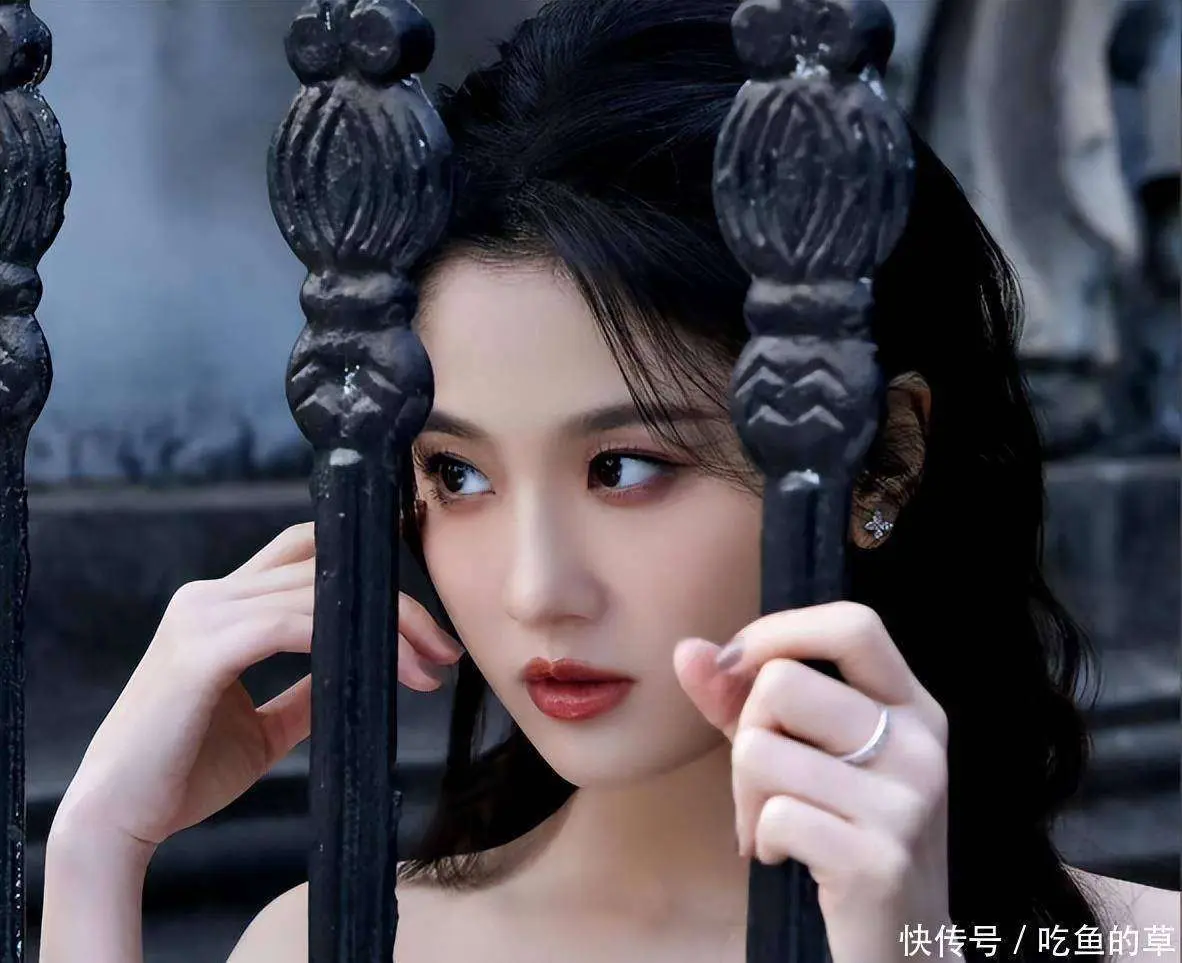
In recent years, discussions surrounding Zhang Huiwen have often centered on phrases such as “limited resources” or “low visibility.” At 32, she occupies a particularly delicate stage in the landscape for actresses: no longer benefiting from newcomer status, yet not fully established as a market-stable lead. When attention shifts toward unconventional pairings or imbalanced character settings, the conversation often moves away from performance itself and toward broader questions about career direction.

What Zhang Huiwen may need most at this stage is not increased exposure, but a well-judged and appropriate opportunity—one that places her squarely where she belongs. Acting careers are not sustained by attention alone. Especially for performers with solid foundations, a single role that aligns with their strengths can be far more decisive than repeated appearances. With the right positioning, the efforts and potential accumulated over the years still hold the possibility of being rediscovered.

