Traveling to Hawaii has become more expensive following a statewide tax increase that took effect on January 1, 2026. The Transient Accommodations Tax (TAT), applied to hotels and short-term rentals across the islands, was raised from 10.25 percent to 11 percent. In addition, counties may continue to impose up to an extra 3 percent surcharge, further increasing the total tax burden on visitors.
Governor Josh Green has framed the hike as a “green fee,” aimed at funding climate resilience and environmental protection efforts. According to state estimates, the increase is expected to generate around $100 million annually, which will be allocated to safeguarding natural resources, strengthening disaster preparedness, and supporting long-term sustainability initiatives.
Green emphasized that as an island chain vulnerable to climate-related risks, Hawaii cannot afford to delay action until the next disaster occurs. He noted that environmental protection is inseparable from the state’s ecological, cultural, and economic well-being.
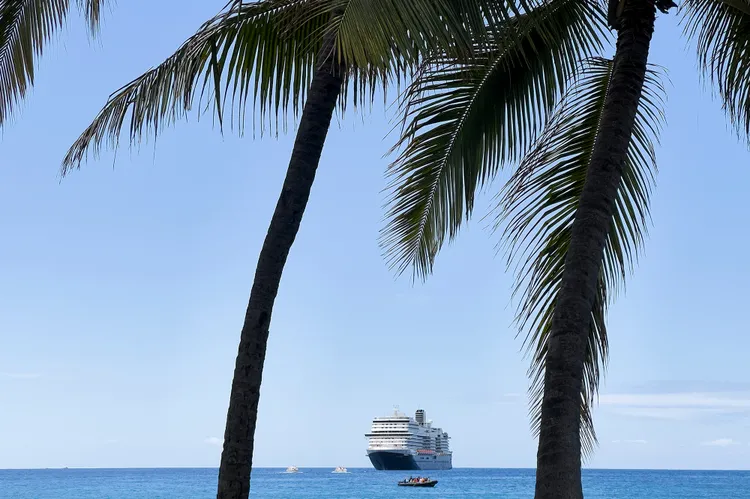
The expanded TAT originally included provisions to tax out-of-state cruise ships docking in Hawaii for the first time. That measure, however, has been put on hold following a lawsuit filed by the Cruise Lines International Association (CLIA), which argues that the tax raises constitutional questions regarding the regulation of maritime commerce. A federal appeals court has issued an injunction while the case proceeds. State officials, meanwhile, maintain confidence in the law’s legality.
According to Hawaii’s Department of Business, Economic Development and Tourism, more than 130,000 passengers arrived via out-of-state cruise ships by November last year, representing a 12.6 percent decline year-on-year. Major cruise operators serving Hawaii include Carnival Cruise Line, Celebrity Cruises, and Royal Caribbean.
Hawaii’s move reflects a broader global trend. In 2024, Venice introduced a fee for day-trippers during peak periods, while the United Kingdom has proposed new taxes on overnight stays in cities such as London and Manchester. As destinations grapple with overtourism and environmental strain, tourism-related taxes are increasingly being used as tools to balance economic benefits with long-term sustainability.

