In the entertainment industry, there is a familiar type of actor who appears constantly on screen yet struggles to truly “break out.” With a solid image, steady resources, and years of experience, they seem well-positioned—but a decisive hit remains elusive. Recently, Hou Minghao, a key male artist promoted by H& Harmony Media under Li Bingbing, has found himself once again at the center of this discussion.
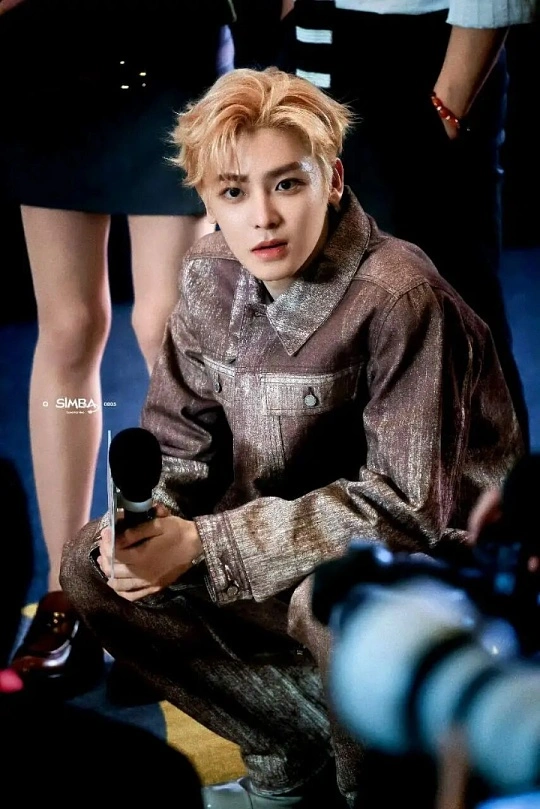
At the start of 2026, Hou entered an unusually intensive release period, with two costume dramas, Jade Tea Bones and Xiaoyao, airing almost simultaneously. His co-stars—Gülnezer Bextiyar from the same agency and Tan Songyun, known for her broad audience appeal—suggested a deliberate strategy to maximize exposure and push his popularity to the next level. In practice, however, the response fell short of expectations.
Jade Tea Bones, produced by Yu Zheng, arrived with considerable pre-broadcast attention. Once aired, though, the drama drew mixed reactions. Some viewers criticized it for feeling overly derivative, pointing to heavy-handed references to classic costume dramas without achieving a cohesive narrative or aesthetic of its own. While Gülnezer maintained visibility largely through her visual appeal, Hou Minghao’s performance was seen as competent but understated, lacking standout moments that could significantly elevate his profile.
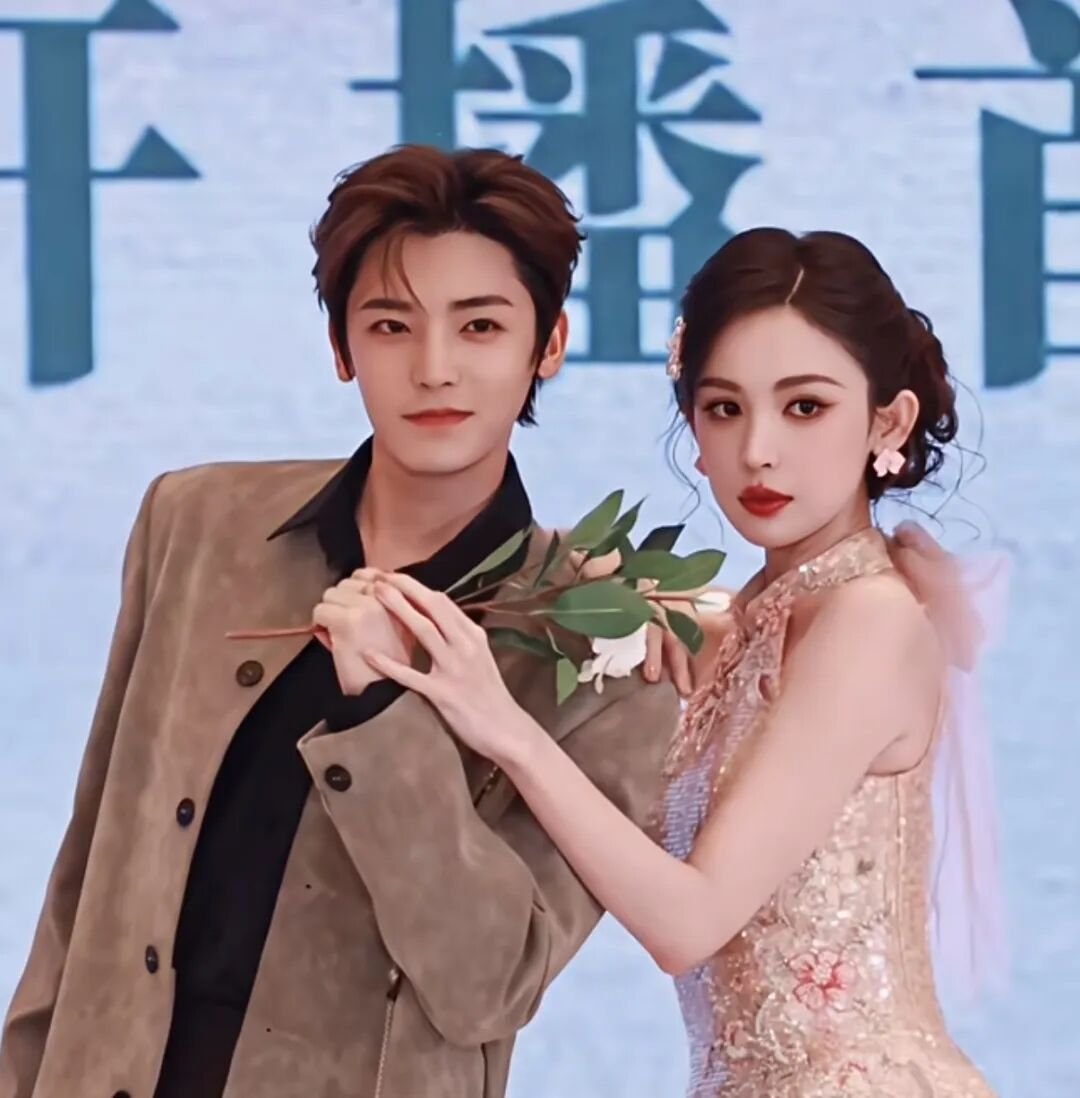
The reception of Xiaoyao, co-starring Tan Songyun, was even quieter. The series hoped to rely on Tan’s established audience base, yet its conventional storyline and familiar tropes struggled to generate momentum in an already saturated genre. Tan’s frequent appearances in similar roles have also led to a degree of audience fatigue, reducing her ability to single-handedly drive viewership. Hou, once again, delivered a steady performance, but not one strong enough to shift the overall perception of the project or create lasting buzz.
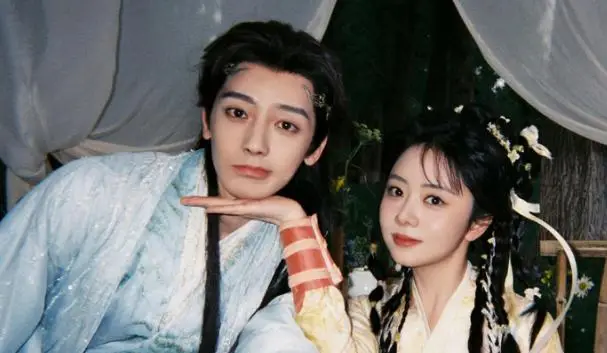
Viewed together, these two dramas highlight Hou Minghao’s current position in the industry. He is not lacking opportunities, nor visibility, but when compared with top-tier actors, the difference becomes clear. Breakout stars are often defined by one or two landmark works that firmly establish their screen identity. Hou’s résumé, by contrast, includes several notable projects without a single role that audiences consistently associate as his defining performance.
Since his early success and subsequent signing with H& Harmony Media, Hou has benefited from continuous support and a steady flow of projects. Yet in an increasingly competitive market, being consistently “adequate” is no longer enough. Audience expectations have shifted toward stronger individuality, emotional impact, and unmistakable screen presence.
From a management perspective, H& Harmony has seen more visible results in developing its female talents, while the blueprint for cultivating a top male star is still taking shape. Abundant resources alone cannot guarantee a breakthrough if script quality, role suitability, or production standards fall short.
For Hou Minghao, this wave of high exposure functions as a reality check rather than a turning point. It underscores the gap between frequent appearances and true star-making power. Whether he can move beyond the long-standing “almost there” label may depend less on how many projects he headlines, and more on whether he finds a role capable of fully unlocking his potential and resonating deeply with audiences. Visibility can be manufactured, but lasting recognition must be earned through the work itself.

