Since announcing his solo concert, Wang Hedi has remained firmly in the public spotlight. On January 17, he held a concert in Macau—an event intended to share his passion for music with fans, yet one that unexpectedly stirred widespread controversy. From questions about whether an actor should hold a concert at all, to disputes over guest selection and the absence of his iconic role Dongfang Qingcang from Love Between Fairy and Devil, the discussion quickly escalated.
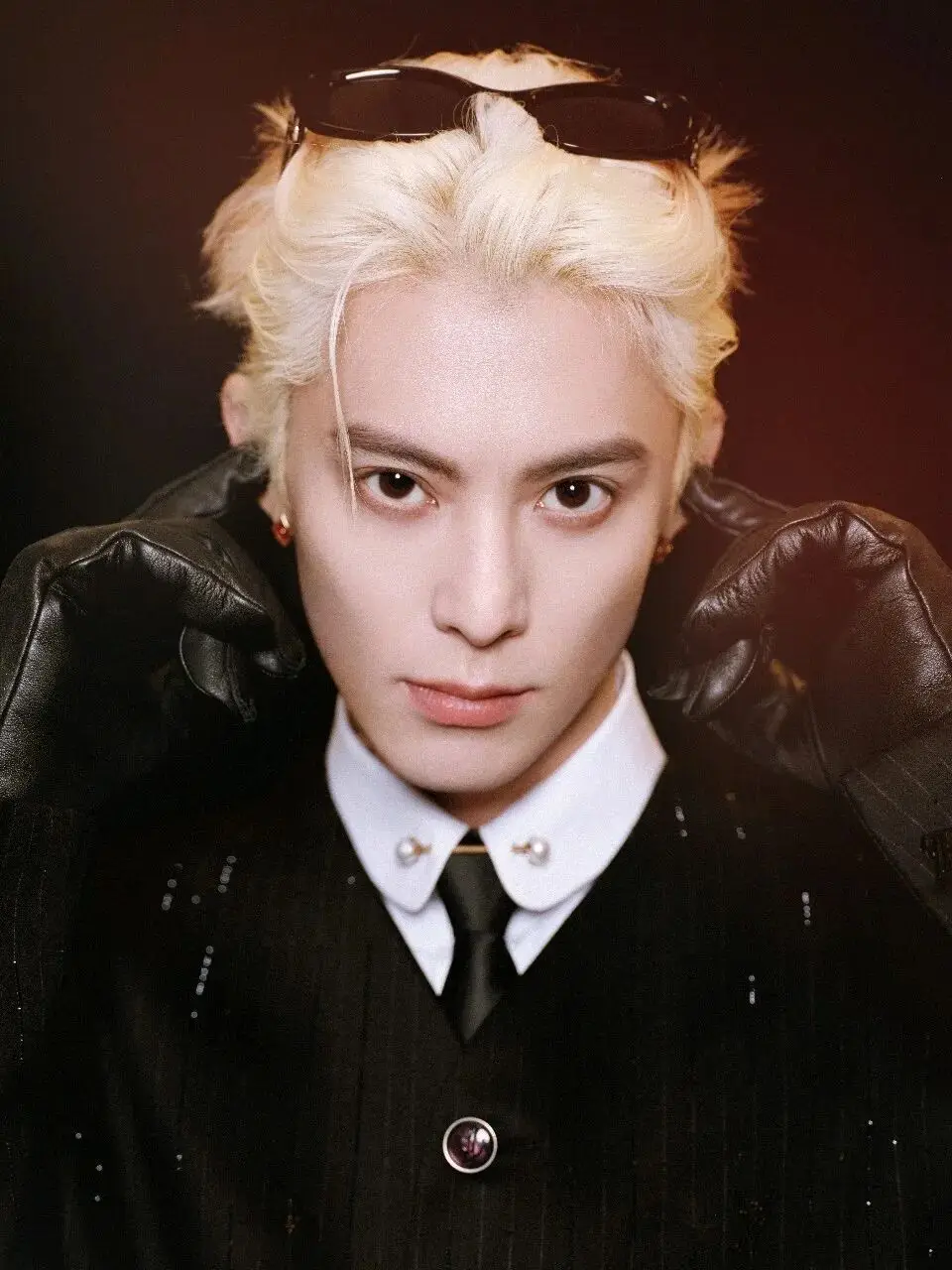
Some netizens argued that Wang Hedi should focus more on acting, questioning his professionalism as a singer. However, Wang Hedi has repeatedly stated in interviews that singing has long been a personal passion—an outlet for emotional expression and a way to recharge himself creatively. Supporters countered that actors are not confined to a single field, and that exploring different artistic paths should not automatically be dismissed.
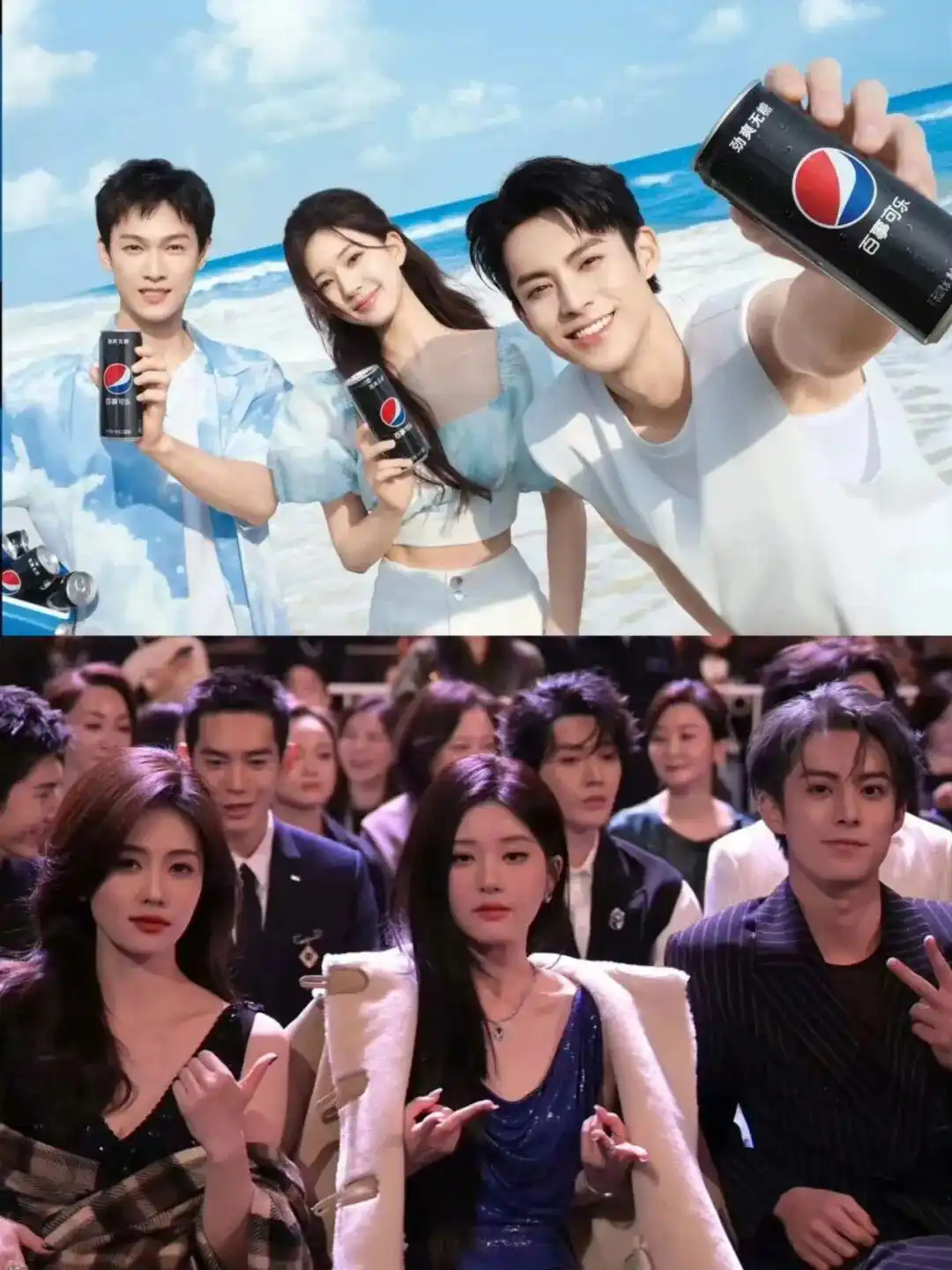
Beyond the debate over music, greater controversy surrounded the choice of guest performer. That evening, actress Zhao Lusi appeared as a special guest, joining Wang Hedi on stage for a duet of “Pretty,” which energized the audience. Yet this collaboration displeased some CP fans. In 2022, Wang Hedi and Esther Yu starred together in Love Between Fairy and Devil, a breakout hit that propelled both actors to new heights. Their pairing, known as the “Dixin Gravity” CP, gained a devoted following, and the absence of Esther Yu at the concert was interpreted by some as a deliberate distancing.
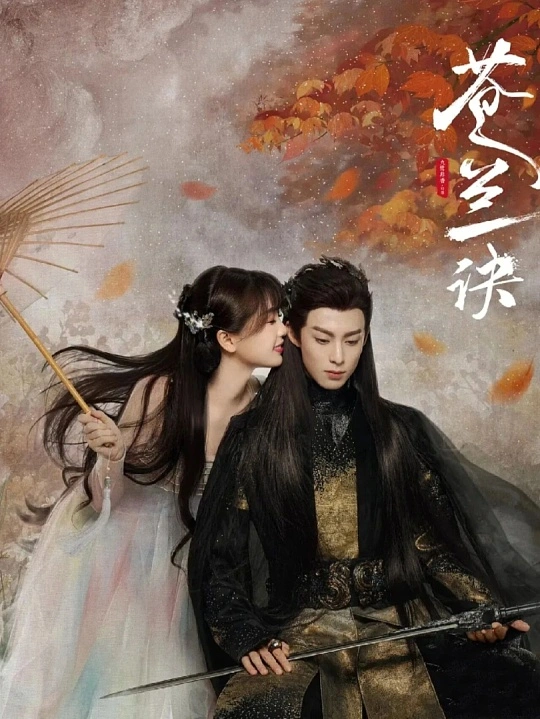
The situation intensified when fans noticed that Dongfang Qingcang did not appear in the concert’s retrospective video of Wang Hedi’s past roles. Even a moment where he passed the microphone instead of singing lyrics referencing the character was scrutinized and labeled by critics as “forgetting his roots.”
Others, however, offered a more measured explanation. According to informed sources, Love Between Fairy and Devil is subject to platform-specific copyright restrictions, limiting its use in concert settings. Notably, Wang Hedi’s other roles from the same platform were also absent, lending credibility to this explanation.
There is little doubt that Love Between Fairy and Devil remains a defining project for both Wang Hedi and Esther Yu. Still, actors inevitably move forward. Esther Yu later gained renewed attention through Eternal Night Galaxy, while Wang Hedi established a new signature role as Xu Qi’an in Guardians of the Dafeng. For audiences, characters may live on in memory, but performers must continue evolving.
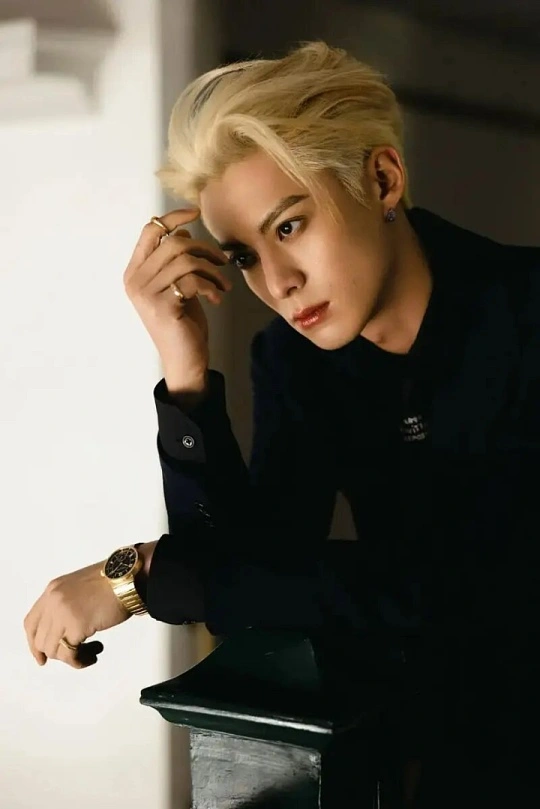
Discussions about “CP解绑” also reflect real-world complexities. Both actors have previously pursued legal action against extreme fan behavior, underscoring the challenges of maintaining professional boundaries amid intense fandom culture. In this context, shifting focus toward individual careers may be a pragmatic decision.
As for Zhao Lusi’s appearance, it was hardly unexpected. Both hail from the Sichuan-Chongqing region and have collaborated on commercial projects before. Recently, Zhao Lusi has also expanded into music, generating significant buzz—making her collaboration with Wang Hedi, who is exploring a similar path, a natural stage pairing.
Ultimately, the intense scrutiny surrounding this concert highlights the level of attention Wang Hedi commands today. Standing at the crossroads of acting and music, he faces heightened expectations and criticism alike. Whether his passion will translate into long-term recognition beyond acting remains to be seen—but time, rather than controversy, is likely to provide the answer.

