Among China’s younger generation of actresses, Zhang Zifeng stands out for the clarity and restraint of her career trajectory. Rather than relying on constant exposure or trending topics, she has remained firmly rooted in the film industry, gradually expanding her collaborations to include creative teams from mainland China as well as Hong Kong and Taiwan. This cross-regional presence appears less driven by publicity and more by professional recognition within the industry.
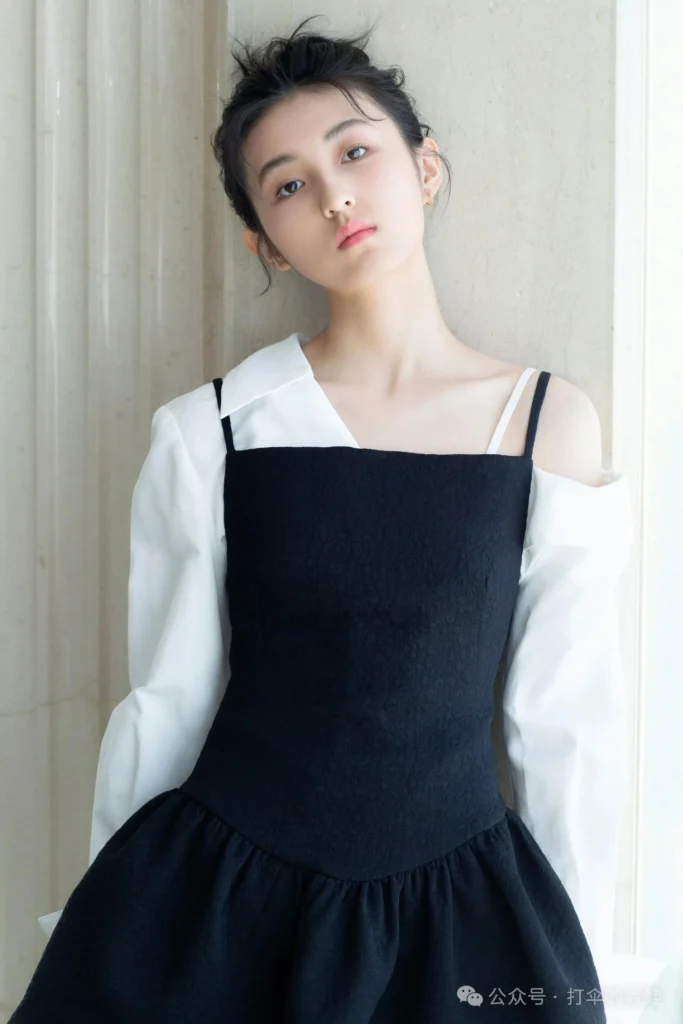
From a market perspective, Zhang is not a conventional box office draw. However, she possesses a quality that has become increasingly rare in today’s film landscape: she does not deter audiences. At a time when viewers are highly sensitive to casting choices, her presence rarely triggers resistance. As long as the script and production are solid, films featuring Zhang Zifeng are generally approached with a baseline level of trust and patience.
This positioning is closely tied to her development within a cinematic framework from an early age. Film acting demands a different narrative rhythm, emotional density, and performance precision than television, and Zhang was trained within this environment from childhood. Her performance in Aftershock revealed a remarkable ability to convey emotional shifts through subtle eye movements, while her role in Detective Chinatown marked a deliberate break from the limitations often imposed on former child actors.
As she transitioned into adulthood, Zhang adopted an increasingly restrained and realistic performance style. In Sister, she relied on understated physical details and controlled emotional expression to give the character psychological weight. In more recent projects, she has continued to explore a wider range of genres and character complexities, demonstrating consistency rather than spectacle.
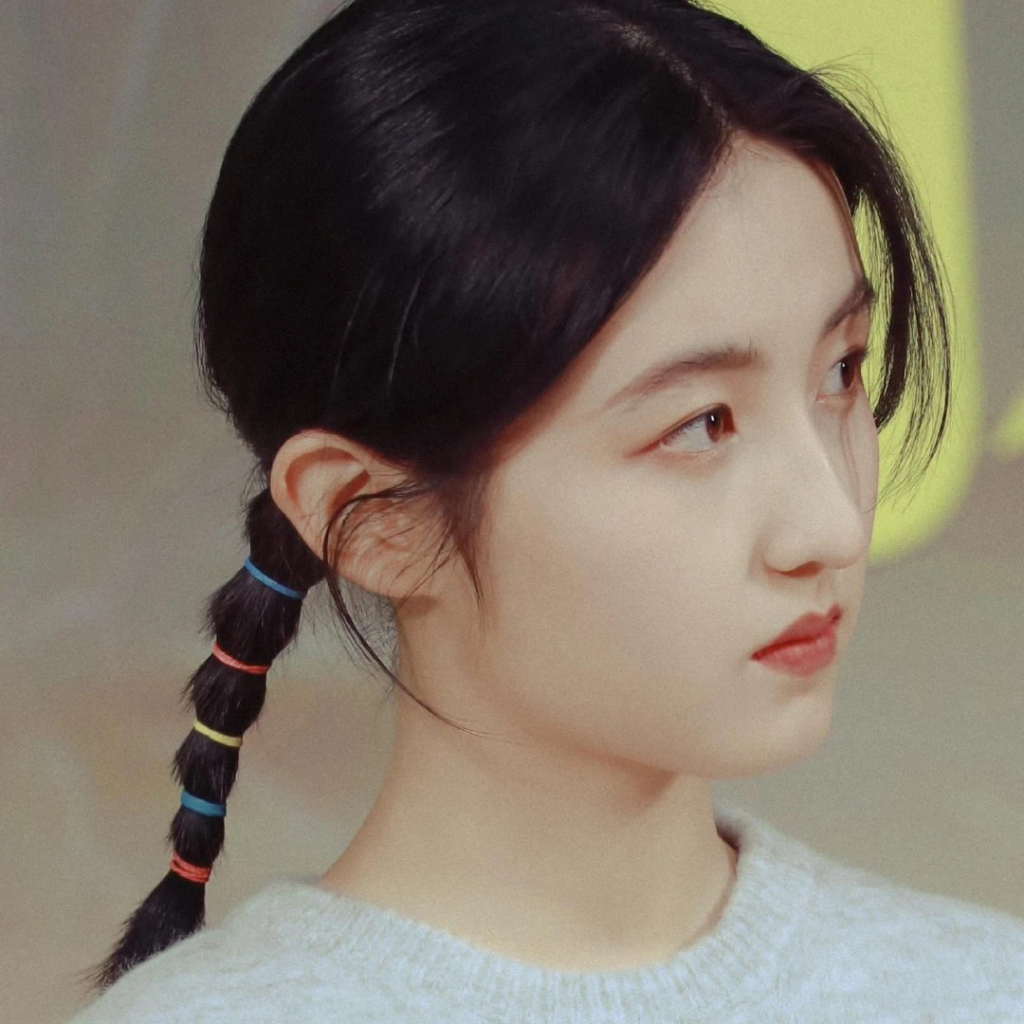
A notable aspect of Zhang Zifeng’s career is the contrast between her personal demeanor and her screen presence. Off camera, she remains reserved and low-key; on screen, she is able to establish a strong internal logic for each character, delivering emotion without exaggeration. This approach may lack immediate impact, but it aligns well with the demands of serious filmmaking.
In an industry increasingly shaped by rapid cycles and heightened risk, Zhang Zifeng represents not explosive success but sustainability. She may not dominate headlines, yet she is gradually becoming part of what signals credibility in a film project. At this stage of her career, that may be her most significant strength.

