A full year has passed since the death of Barbie Hsu. Time, however, has not softened the sense of loss felt by those who admired her, nor by those who shared her life most closely. At 48, with two children and a relationship she had only recently reclaimed, her sudden passing remains difficult to comprehend.
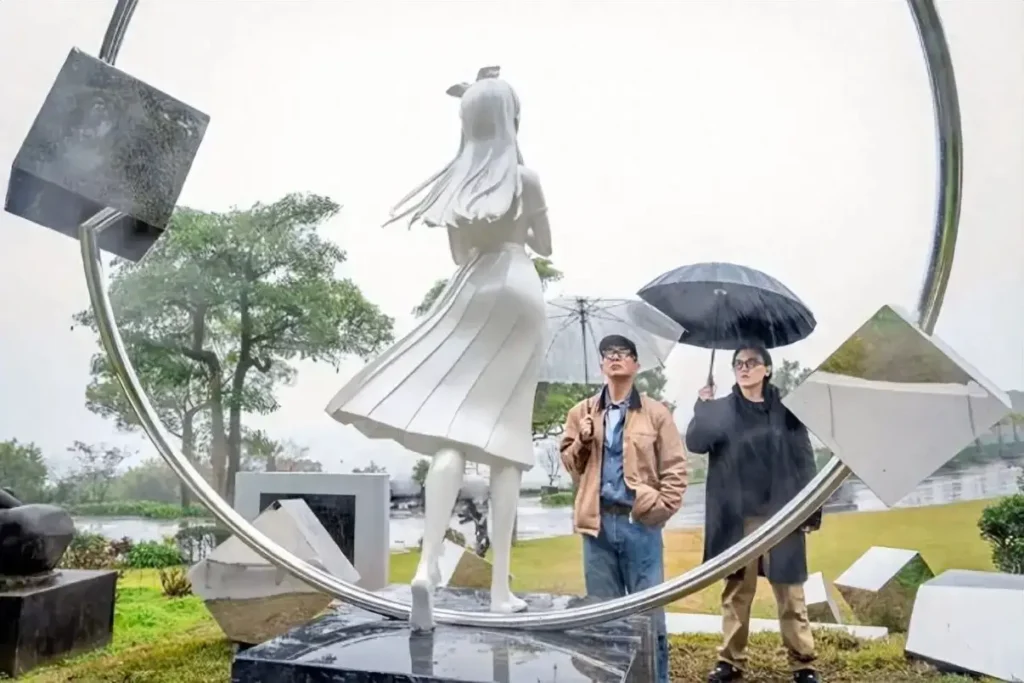
Throughout the past year, Koo Jun-yup has lived with profound grief. Media reports describe how he spent a significant portion of the year visiting her grave, maintaining a low profile while privately mourning. On the first anniversary of her passing, a memorial sculpture designed with his involvement was unveiled. Rather than aiming for physical likeness, the sculpture depicts a young girl in a pleated skirt, conveying purity and calm.
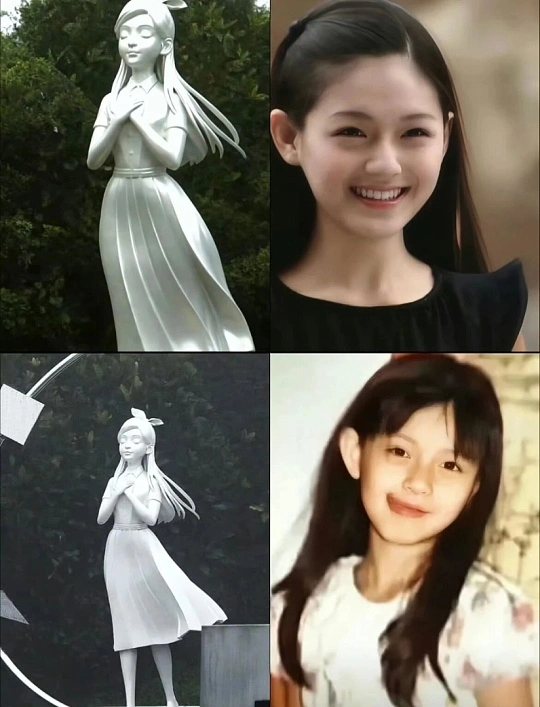
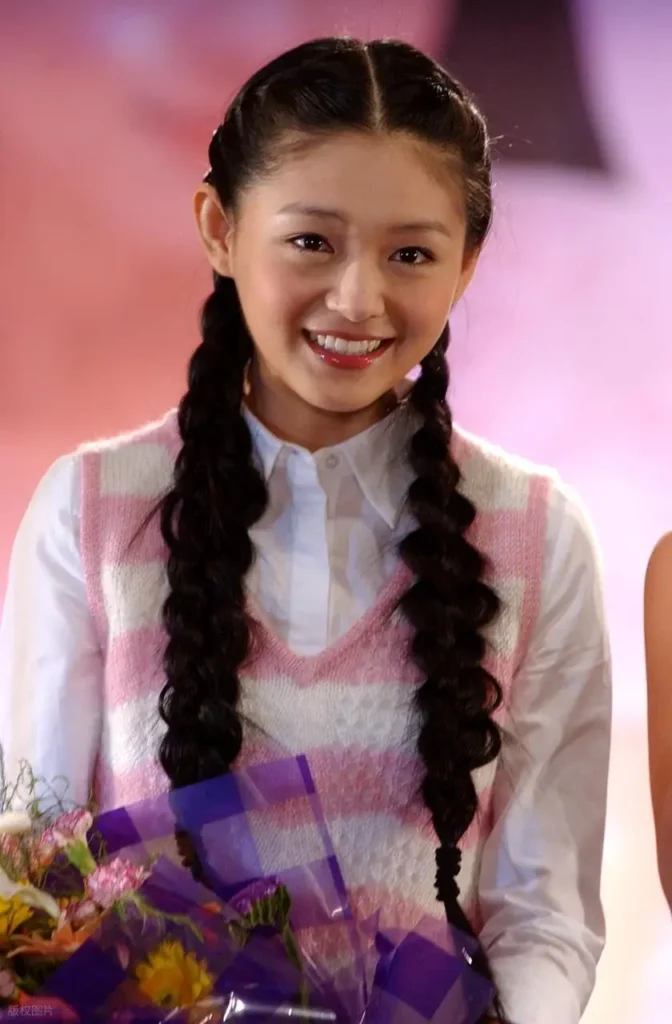
The choice sparked discussion among observers, but those familiar with their history suggest the image reflects how Koo remembers Barbie Hsu at her most essential. Photographs from her youth, when she wore her hair in braids and carried a gentle, unguarded expression, closely resemble the spirit of the sculpture. The two first met more than two decades ago, and for Koo, that youthful image appears to have remained untouched by time.
Attention was also drawn to his attire at the unveiling ceremony. While most attendees wore black, Koo appeared in a brown coat. According to reports, the coat was a gift from Barbie Hsu 27 years ago and had been carefully preserved ever since. Wearing it again was interpreted as a personal gesture rather than a public statement, a quiet way of holding onto memory.

The day after the anniversary, a Korean television program titled Secrets of Celebrities revisited the couple’s story, framing their reunion as something rarely seen in real life. The program traced their relationship from an early romance constrained by industry pressures, through decades of separation, to a reconnection sparked by a single phone call across borders. Despite the complexities of life and family, they chose to reunite later in life, prioritizing personal happiness.
The program also addressed the circumstances surrounding Barbie Hsu’s death. Medical experts interviewed noted that she had a history of congenital heart conditions, including mitral valve prolapse, and had previously experienced serious complications during childbirth. From a medical perspective, such conditions can increase vulnerability when the body is under stress from infection or illness. The discussion was presented as contextual analysis rather than definitive judgment.
For Koo Jun-yup, these reflections appear to deepen a sense of regret that words cannot resolve. His continued presence at her resting place speaks less of public display and more of unresolved farewell. What remains is not an answer, but a lasting bond shaped by memory, love, and the quiet weight of what can no longer be changed.

