Actress Wang Lin revealed that she has kept her parents in a nursing home for eight years, spending over two million yuan on their care. Her decision has sparked debate, with some questioning why she would choose institutional care while living comfortably herself.
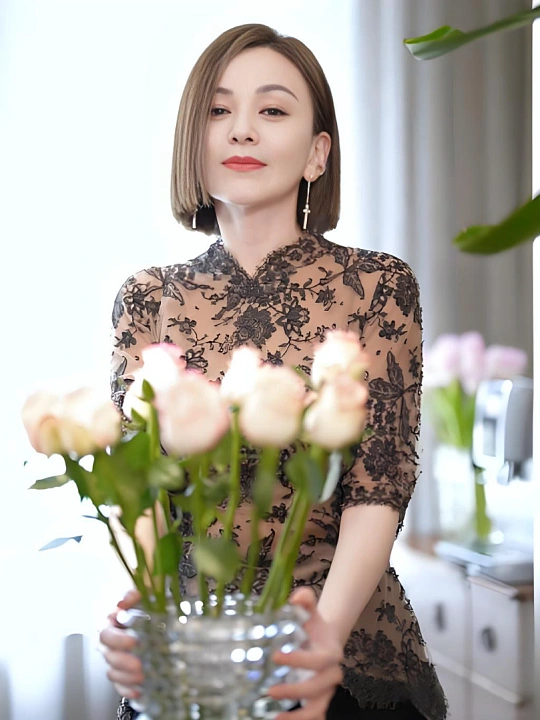
On a recent variety show, Wang Lin spoke openly about her childhood. Raised largely by her grandparents, she felt emotionally distant from her parents and overshadowed by her younger brother. She described experiences of neglect and conflict that shaped her later relationships and two unsuccessful marriages.
As an adult, the emotional and practical burden of caregiving intensified. Her mother suffers from mild Alzheimer’s disease, and her father lives with constant anxiety about hereditary muscle disorders. Repeated hospital visits and emotional strain eventually led Wang Lin to place them in a professional care facility in 2018, covering all expenses herself.

From a practical perspective, professional eldercare can provide structured medical supervision that families may struggle to offer. However, beyond logistics lies a deeper issue: Wang Lin’s fear of inheriting her parents’ illnesses. She has spoken about her ongoing anxiety, worrying that fatigue or minor symptoms might signal the onset of disease. As she ages, she also fears facing old age alone.
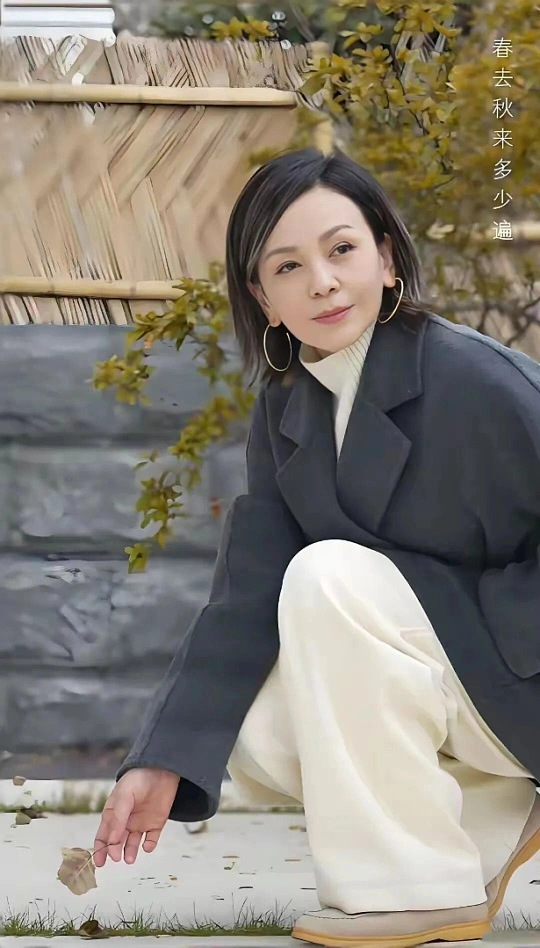
Her story reflects a broader social dilemma: balancing traditional expectations of filial piety with mental health, caregiving burnout, and the realities of aging. Rather than a simple moral judgment, it invites discussion about how modern families navigate responsibility, trauma, and fear in an era of increasing longevity.

