Bao Shangen, born on May 23, 2002, in Shenzhen, Guangdong Province, represents a new generation of Chinese actresses steadily building their careers through disciplined training and carefully chosen roles. A graduate of the Zhejiang University of Communication, where she majored in performance, Bao entered the entertainment industry in 2021. Rather than relying on sudden visibility, her development has been characterized by gradual accumulation—moving from youth-oriented roles to increasingly complex characters in urban dramas, suspense films, and large-scale historical productions.
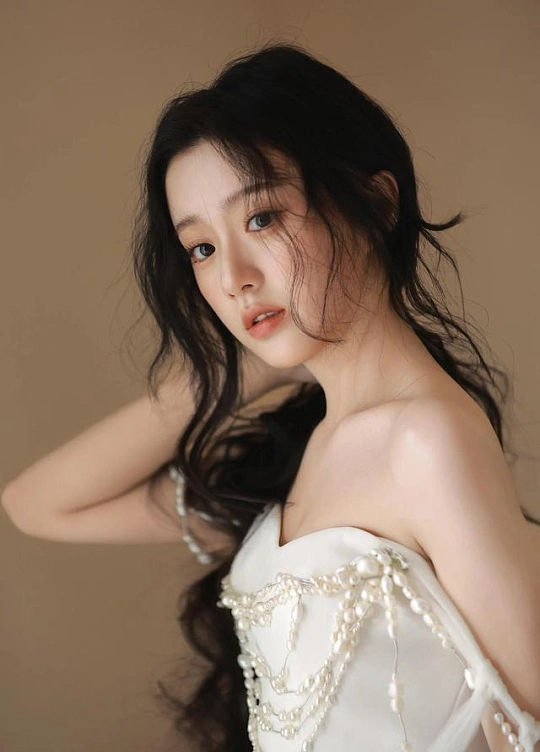
Her academic background provided her with structured preparation in voice control, movement, and character interpretation. This technical foundation has shaped her acting style, which tends toward restraint and emotional precision. From her earliest screen appearances, Bao Shangen has favored naturalistic expression over exaggerated dramatization, allowing characters to unfold through subtle gestures and tonal variation.
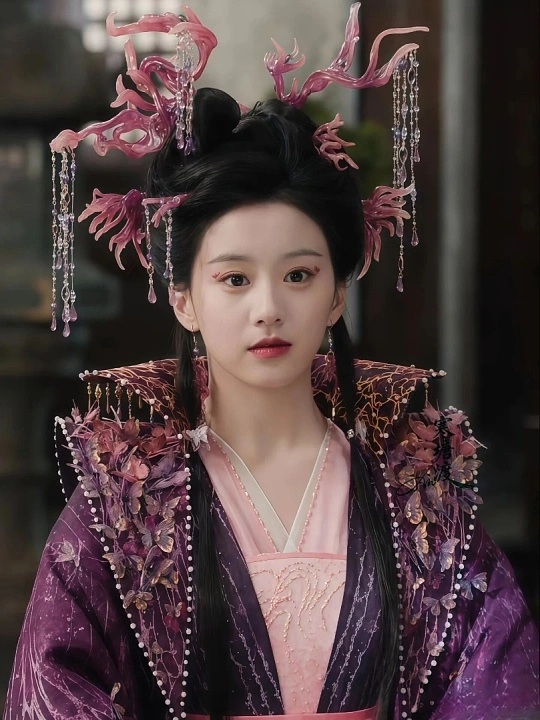
In the early stage of her career, she appeared in modern youth and contemporary-themed projects. These roles often revolved around students or young women navigating personal identity, friendship, and family expectations. Although these characters were close to her own age, they offered important opportunities to refine her on-camera presence. Instead of presenting highly theatrical portrayals, she focused on creating believable emotional transitions. This understated quality gradually became one of her recognizable traits.
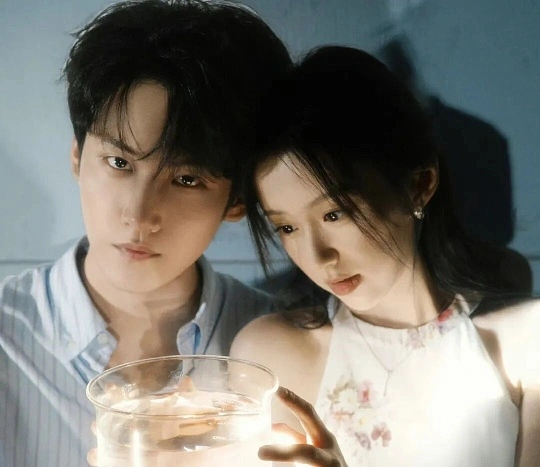
As her experience broadened, Bao participated in urban-themed dramas such as Fake It Till You Make It (《装腔启示录》), a series exploring ambition and emotional negotiation within contemporary professional life. In this context, she operated within a narrative grounded in realism, adapting her performance to ensemble dynamics and dialogue-driven storytelling. The role further demonstrated her ability to maintain composure within complex interpersonal settings.
She also ventured into suspense with the film Who’s the Suspect (《谁是凶手》), portraying Liang Xinyuan. Suspense narratives demand precise control of tension and atmosphere, requiring actors to convey unease and layered motivations without overt exposition. Through this project, Bao strengthened her ability to communicate emotional depth within tightly structured scenes.
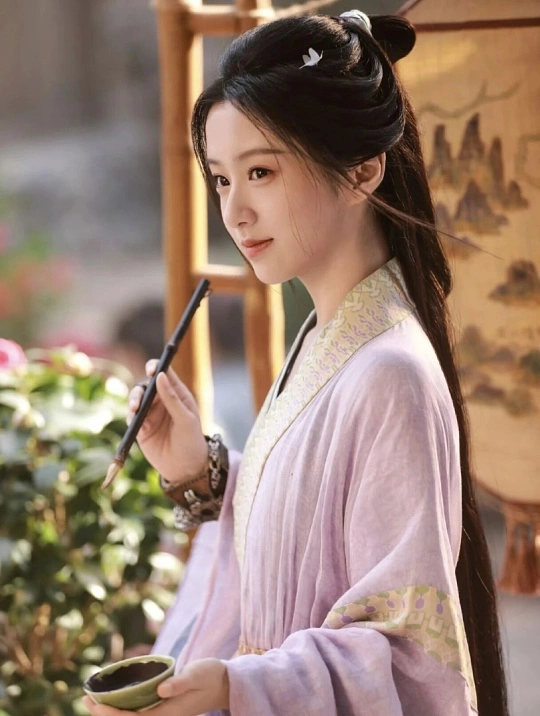
Additional projects such as Wonderful Hand (《妙手》) and Youthful Glory (《少年荣耀》) allowed her to experiment with varied thematic frameworks, from professional environments to youth development arcs. Each role contributed incrementally to her versatility, expanding her familiarity with different pacing styles and narrative structures.
A noticeable shift occurred as Bao Shangen increasingly entered the realm of historical and costume drama. Period productions in Chinese television often carry distinct aesthetic and performative demands. Actors must adjust posture, speech rhythm, and emotional delivery to align with stylized settings shaped by ritual, hierarchy, and cultural codes. Bao’s participation in these productions marked an important stage in her professional evolution.
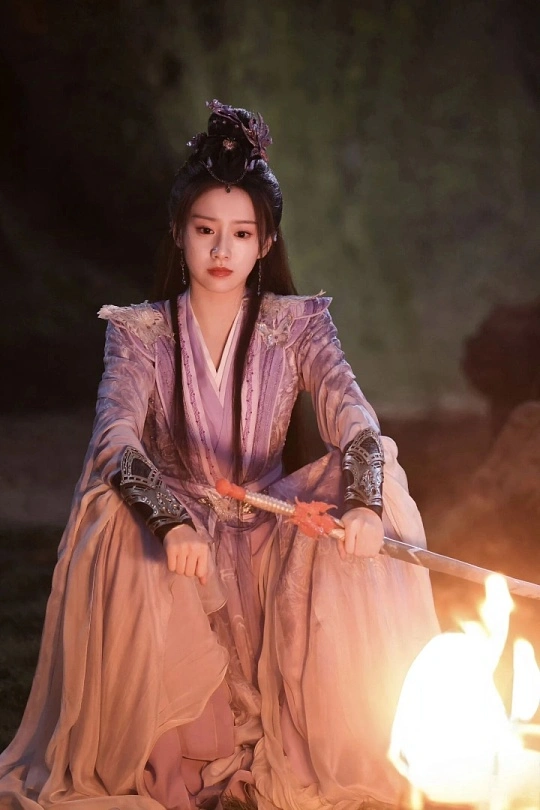
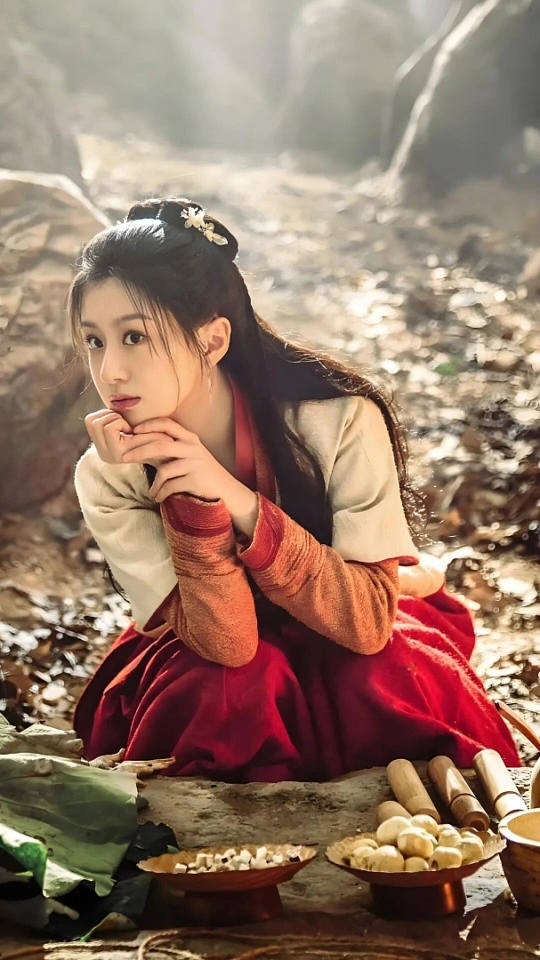
One significant project in this transition was Shuilongyin (《水龙吟》). Set within a classical historical framework, the series intertwines political undercurrents with personal destinies. In this environment, Bao’s performance emphasized measured dialogue delivery and refined emotional control. The character she portrayed required dignity and introspection, signaling her growing comfort within structured, atmosphere-driven storytelling.
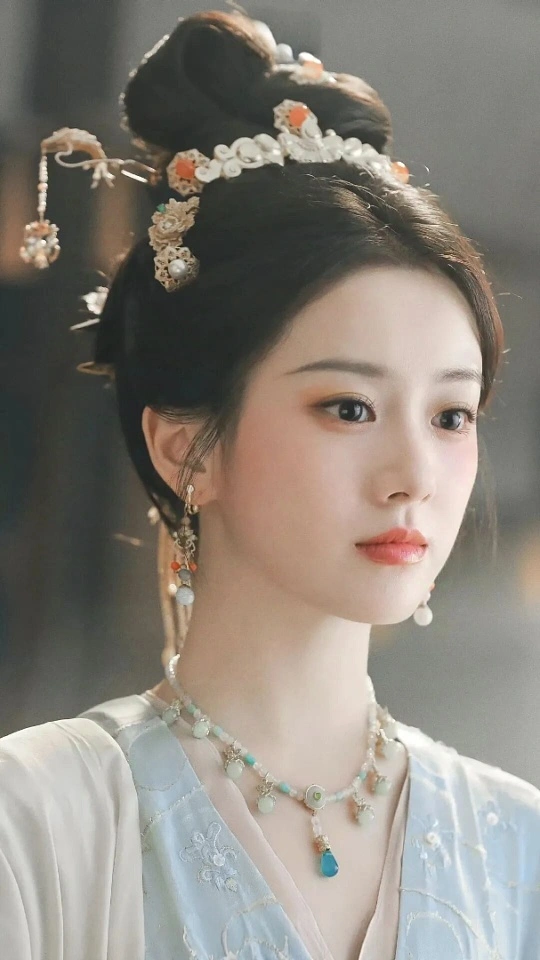
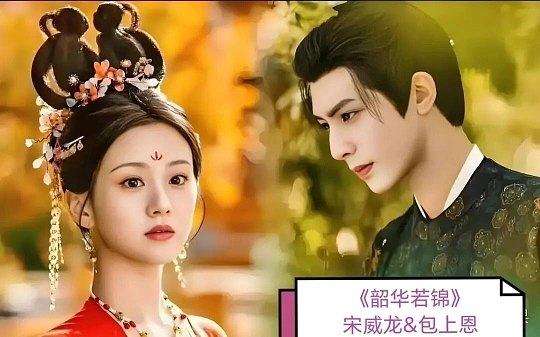
Another notable work, Shaohua Ruojin (《韶华若锦》), centers on the passage of youth and the transformation of relationships over time. Within this narrative, Bao embodied a character shaped by gradual maturation. The series prioritizes emotional continuity rather than rapid plot escalation, and her restrained style aligned well with this approach. Through nuanced shifts in expression and posture, she conveyed psychological growth across the arc of the story.
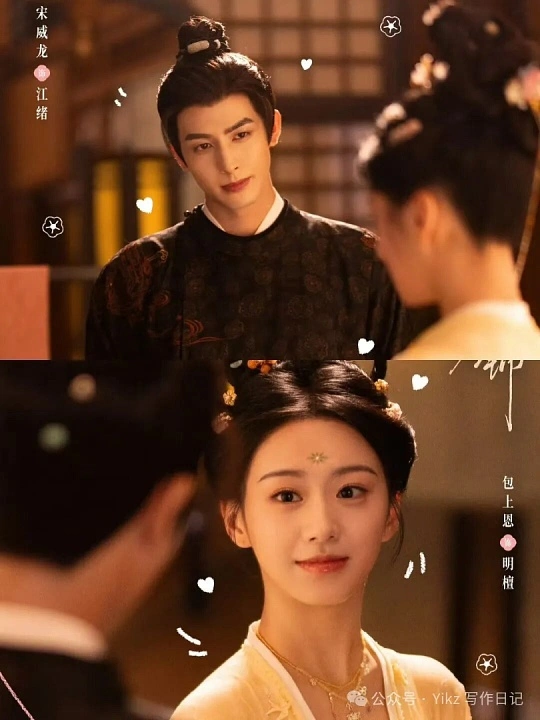
In Iron-Blooded Loyalty (《铁血丹心》), Bao Shangen participated in a drama infused with themes of conviction, justice, and responsibility. This production placed characters in morally charged situations where loyalty and sacrifice play defining roles. Compared to earlier youth-focused roles, this context required firmer emotional positioning and clarity of motivation. Her involvement in such narratives demonstrated increasing exposure to ideologically driven storytelling.
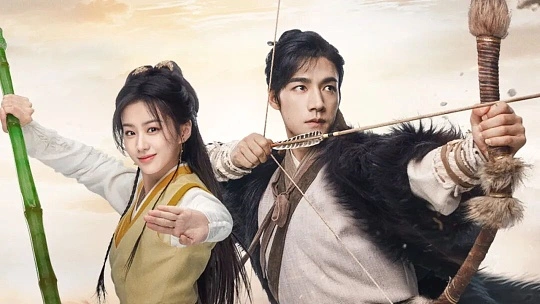
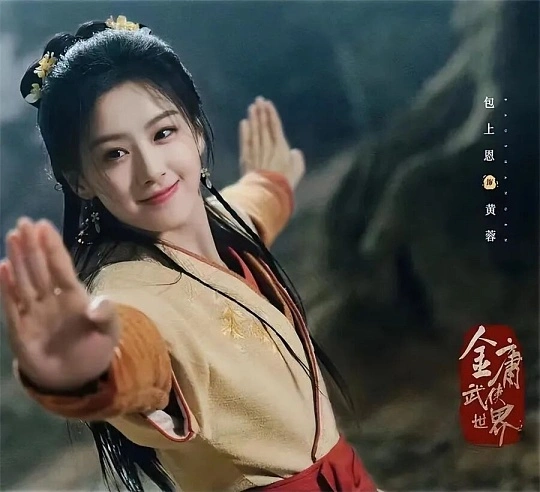
These cumulative experiences prepared her for one of her most prominent recent roles: Cai Zhao in the wuxia drama Generation to Generation (《江湖夜雨十年灯》). Adapted from a well-known novel, the series constructs a layered martial arts world defined by sect rivalries, hidden conspiracies, and evolving alliances. Unlike modern dramas centered on everyday realism, wuxia productions demand both physical coordination and sustained emotional arcs.
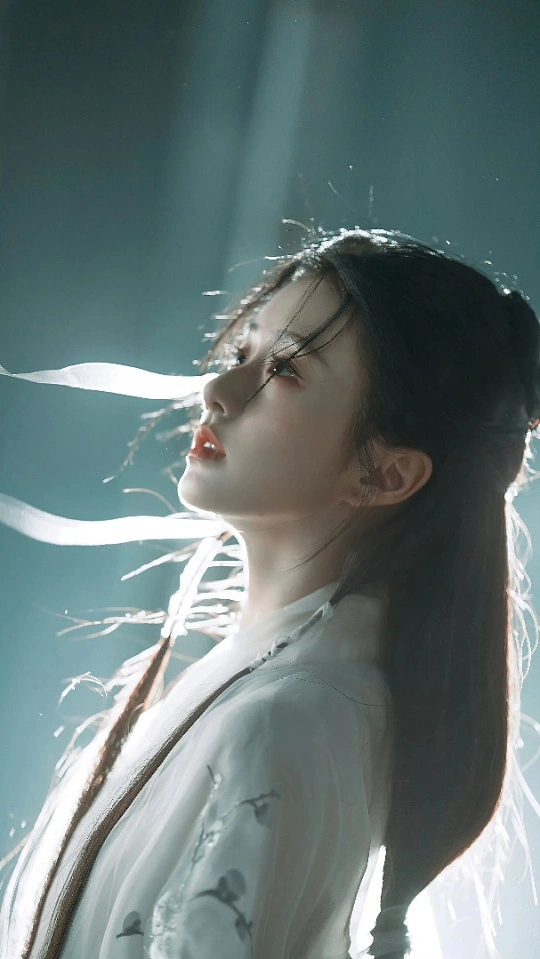
Cai Zhao is not depicted as a static heroine. She enters the martial world under complicated circumstances and gradually learns to navigate institutional expectations and personal dilemmas. Bao Shangen approaches the role with composure, allowing the character’s transformation to develop organically. Rather than relying on dramatic exaggeration, she communicates change through calibrated shifts in gaze, tone, and movement.
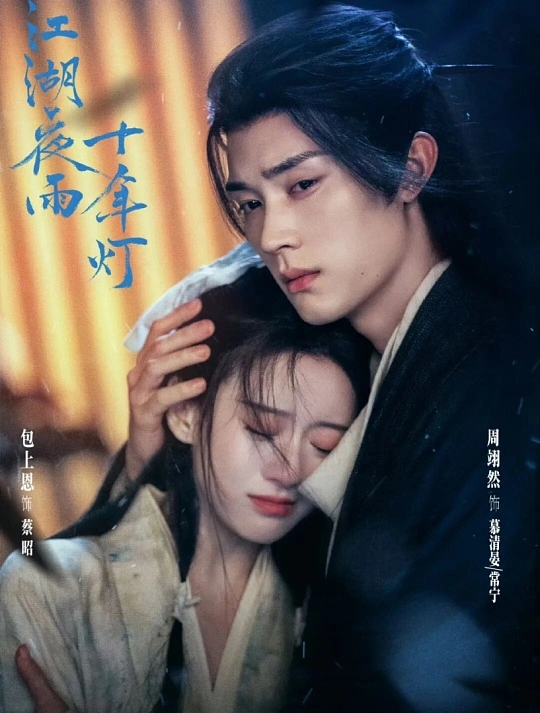
The physical dimension of Generation to Generation also marks a developmental milestone. Action sequences require synchronization between choreography and character motivation. Bao’s performance suggests growing confidence in integrating physical expression with emotional continuity, a necessary skill within martial arts storytelling.
When viewed collectively, Bao Shangen’s career trajectory reveals a coherent progression: contemporary youth roles established foundational experience; urban dramas and suspense projects broadened tonal range; historical ensemble works introduced stylized performance; and wuxia leadership roles expanded narrative responsibility. Instead of abrupt reinvention, her growth reflects steady layering of skills.
Her strengths remain rooted in subtlety and steadiness. While some performers gain attention through overt intensity, Bao’s screen presence draws from composure and clarity. As she continues to develop, expanding emotional amplitude and deepening psychological complexity may further enrich her craft.
Looking ahead, maintaining balance between modern and historical genres could help sustain versatility. The evolving television landscape increasingly values adaptability, particularly for actors transitioning from emerging talent to established presence. Projects such as Shuilongyin, Shaohua Ruojin, Iron-Blooded Loyalty, and Generation to Generation collectively position Bao Shangen within a trajectory oriented toward long-term development.
Though still early in her career, Bao Shangen has demonstrated consistent commitment to craft and gradual refinement. Her path suggests not a pursuit of rapid prominence, but the cultivation of durability within a competitive industry. As she continues selecting diverse and demanding roles, her artistic identity will likely grow more defined, marking her as a performer to watch in the years ahead.

