In the early hours of March 1, Chen Feiyu’s studio responded to a sudden wave of online controversy, describing it as a “groundless misfortune.” In the same statement, the team emphasized a commitment to authenticity with the phrase “seeking truth through purity,” while adopting a self-deprecating tone by thanking the public for the “free advertising space” and inviting audiences to continue watching the new drama Pure Love in the Innocent Era. The response quickly redirected public attention from the controversy to the ongoing broadcast of the series on CCTV and Tencent Video.
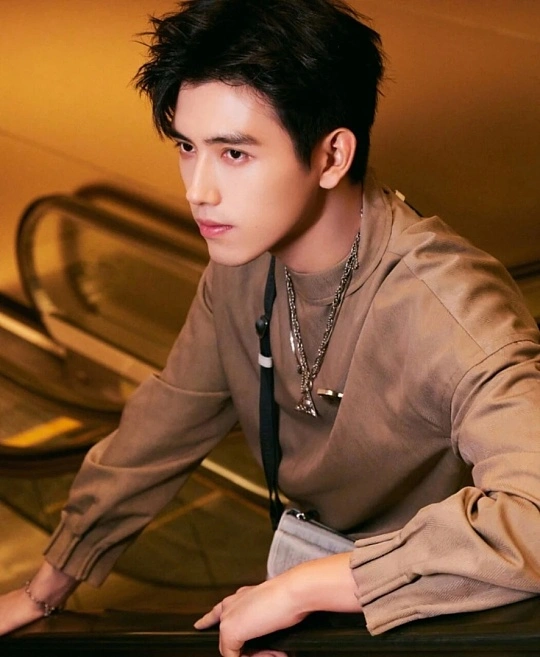
According to related discussions, the incident was triggered when past rumors about Chen Feiyu resurfaced amid renewed speculation involving Qi Mei He and Wang Yibo. Some online commentators questioned whether the renewed attention was linked to promotional efforts for the new drama. The studio did not provide detailed clarifications regarding the specific allegations. Instead, it framed the situation as an unwarranted incident and reiterated its focus on the work itself, avoiding direct confrontation with critics while centering the conversation on the drama and the character portrayed by the actor.
From a communication perspective, the studio’s response turned negative traffic into promotional momentum. By repeatedly highlighting the keyword “pure” from the drama’s title and drawing attention to Chen Feiyu’s role as Fang Muyang—a painter with intellectual impairment—the team aligned public discussion with the series’ narrative and performance data. The drama surpassed 28,000 in-platform popularity on Tencent, set a record for the platform’s Firefly Theater, and achieved a peak CCTV rating of 2.7 percent. It also topped multiple industry charts, including the Detawen Drama Prosperity Index and the V榜 Character Index, making it a primary beneficiary of the heightened attention.
Public reactions have been mixed. Some netizens praised the composed and measured tone of the response, suggesting that avoiding emotional escalation helped maintain goodwill among general audiences. Others called for attention to remain on the quality of the production, expressing the view that actors should focus on acting while viewers concentrate on enjoying the drama without distraction from celebrity gossip. At the same time, critical voices noted that public figures must balance the right to defend themselves with the public’s right to scrutiny, arguing that excessive humor could risk blurring the core issue. Additional commentary linked the controversy to past news regarding Qi Mei He’s family financial situation, suggesting that overlapping timelines with the drama’s popularity fueled speculation.
Notably, Chen Feiyu had previously responded humorously to online teasing about his portrayal of intellectually challenged characters, stating, “Thank you for saying I’m acting—some people out there say it’s real.” This self-deprecating approach resurfaced during the current incident, reinforcing a consistent communication style that diffuses tension while drawing attention to performance skills.
Overall, the handling of the controversy demonstrates a strategy that minimizes the substance of the dispute, strengthens the association with the ongoing project, and transforms public debate into visibility for the drama. While controversies may be temporary, sustained audience focus on performance and production quality remains central to long-term development. In this instance, both Chen Feiyu and Pure Love in the Innocent Era experienced a noticeable increase in exposure, with public discourse and viewership metrics rising in tandem.

