Vietnam is one of the most diverse travel destinations in Southeast Asia. Known for its breathtaking landscapes, vibrant street food culture, and centuries-old traditions, Vietnam offers travelers a unique blend of history, nature, and modern city life.
From the historic streets of Hanoi to the tropical islands of southern Vietnam, the country stretches across a long coastline filled with mountains, rivers, beaches, and cultural landmarks.
This Vietnam travel guide explores the regions, culture, food, and experiences that define Vietnam tourism.
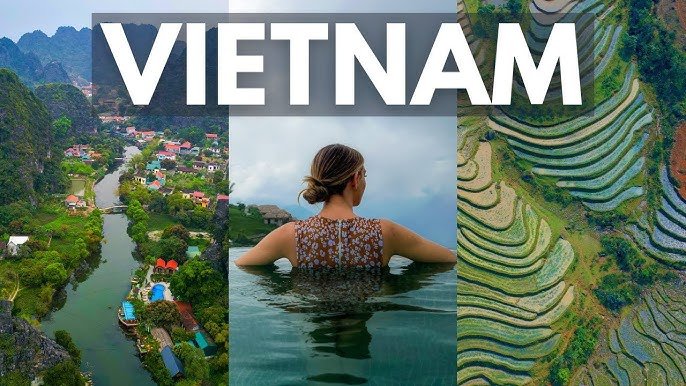
Vietnam Geography and Travel Regions
Vietnam’s geography stretches over 1,600 kilometers from north to south, creating distinct travel regions with unique landscapes and cultural identities.
Northern Vietnam Travel Destinations
Northern Vietnam is famous for mountains, ethnic minority cultures, and historic cities.
Popular destinations in northern Vietnam include:
Hanoi – the cultural heart of Vietnam
Ha Long Bay – a UNESCO World Heritage seascape
Sapa – famous for rice terraces and trekking routes
Ha Giang – one of the most scenic motorbike routes in Vietnam
Northern Vietnam offers some of the most dramatic landscapes in Southeast Asia.
Central Vietnam Travel Destinations
Central Vietnam blends imperial history with coastal beauty.
Important destinations in central Vietnam include:
Hue – the former imperial capital of Vietnam
Hoi An – an ancient trading town famous for lantern streets
Da Nang – a modern coastal city
Phong Nha-Ke Bang – home to some of the world’s largest caves
Central Vietnam is one of the best regions for combining culture and beach travel.
Southern Vietnam Travel Destinations
Southern Vietnam is vibrant, tropical, and fast-growing.
Top southern Vietnam destinations include:
Ho Chi Minh City – the largest city in Vietnam
Mekong Delta – famous for floating markets and river life
Phu Quoc Island – a tropical island destination
Southern Vietnam offers a warmer climate and relaxed island experiences.
Vietnam Culture and Traditions
Vietnamese culture reflects thousands of years of history and a blend of indigenous traditions, Confucian philosophy, and Buddhist influence.
Important elements of Vietnam culture include:
Traditional festivals such as Tet (Vietnamese Lunar New Year)
Buddhist temples and pagodas across the country
Craft villages producing silk, ceramics, and lacquerware
Strong family and community values
Vietnam culture remains deeply connected to its historical roots.
Vietnam Food and Culinary Culture
Vietnamese cuisine is one of the most famous food cultures in Asia.
Well-known Vietnamese dishes include:
Pho – Vietnam’s iconic noodle soup
Banh Mi – a Vietnamese baguette sandwich
Bun Cha – grilled pork with noodles
Goi Cuon – fresh Vietnamese spring rolls
Street food culture is especially vibrant in Hanoi and Ho Chi Minh City.
Best Time to Visit Vietnam
Vietnam’s climate varies depending on region.
Typical travel seasons include:
October to April – cooler weather in northern Vietnam
February to August – best time for central Vietnam beaches
December to April – dry season in southern Vietnam
Travelers visiting multiple regions should consider seasonal differences across Vietnam.
Top Travel Experiences in Vietnam
Some of the most memorable Vietnam travel experiences include:
Cruising through the limestone islands of Ha Long Bay
Walking through the lantern streets of Hoi An
Trekking in Sapa’s rice terraces
Exploring floating markets in the Mekong Delta
Discovering Vietnamese street food culture
These experiences highlight the diversity of Vietnam tourism.
Why Vietnam Is One of Southeast Asia’s Top Travel Destinations
Vietnam continues to attract travelers with its combination of natural beauty, cultural heritage, and vibrant urban life.
Whether exploring ancient towns, trekking through mountain landscapes, or relaxing on tropical beaches, Vietnam offers an unforgettable travel experience in Southeast Asia.

