Chinese actress Wang Herun recently became the subject of online discussion after a comment believed to have been posted by her team triggered controversy on social media, placing the actress unexpectedly at the center of public debate.
The incident reportedly began when a message from an account associated with Wang Herun was interpreted by some netizens as referencing actress Wang Yuwen. The comment quickly circulated online, drawing attention from fan communities and prompting criticism from some viewers.
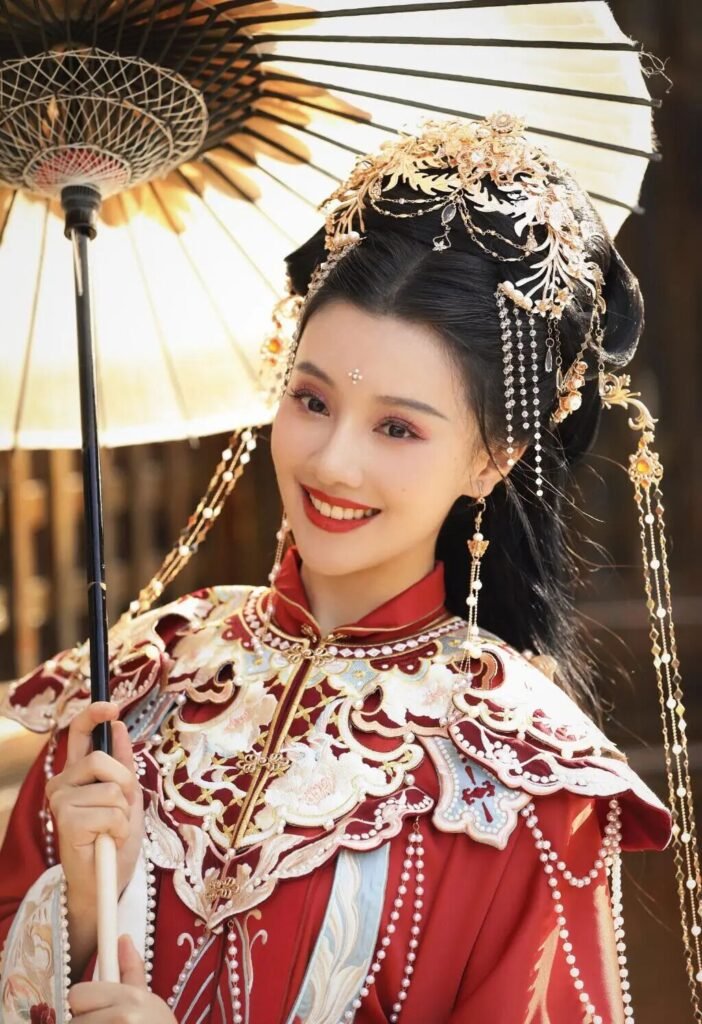
Soon after the situation escalated, many observers pointed out that the message may not have been written by Wang Herun herself. According to online discussions, the actress was not in Shanghai at the time the post was published, while the account’s IP location showed Shanghai, leading some to speculate that the account might have been managed by staff members responsible for social media operations.
Regardless of the source of the message, the controversy quickly placed Wang Herun in a difficult position. In China’s entertainment industry, online disputes between fan communities can escalate rapidly, and public perception often shifts before the full context becomes clear.
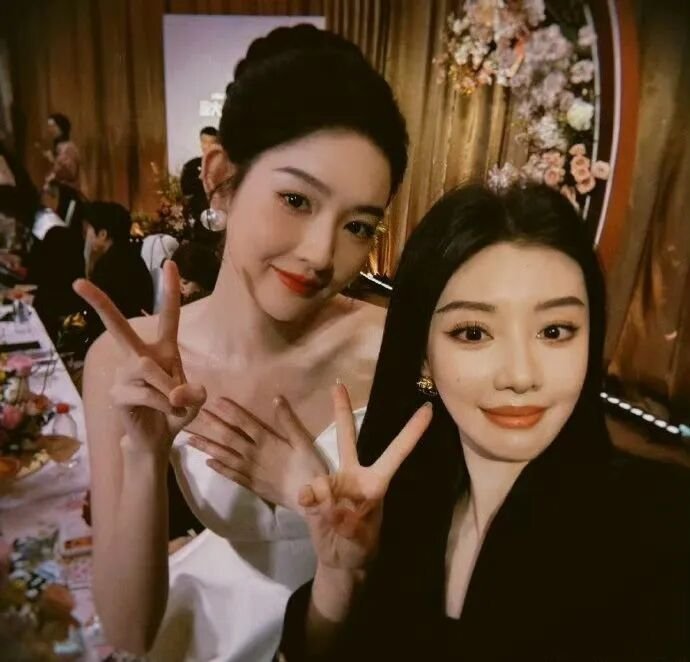
For Wang Herun, the situation comes at a delicate stage in her career. Now in her early thirties, she has spent nearly a decade building her acting portfolio through supporting roles in several widely watched television dramas. Among her more recognizable appearances are roles in The Story of Minglan, Ruyi’s Royal Love in the Palace, and The Longest Day in Chang’an. These productions achieved significant popularity, and the characters she portrayed left a clear impression on many viewers.
Despite appearing in numerous well-known projects, Wang Herun has often been described as a familiar face whose name is less widely recognized by the general audience. Over the years, she has developed a reputation as a dependable supporting actress, but opportunities to headline major productions have been relatively limited.
Because of this career position, public image and audience goodwill are especially important. Unexpected controversies—even those potentially caused by third-party management—can create additional pressure for performers who are still working to strengthen their industry standing.
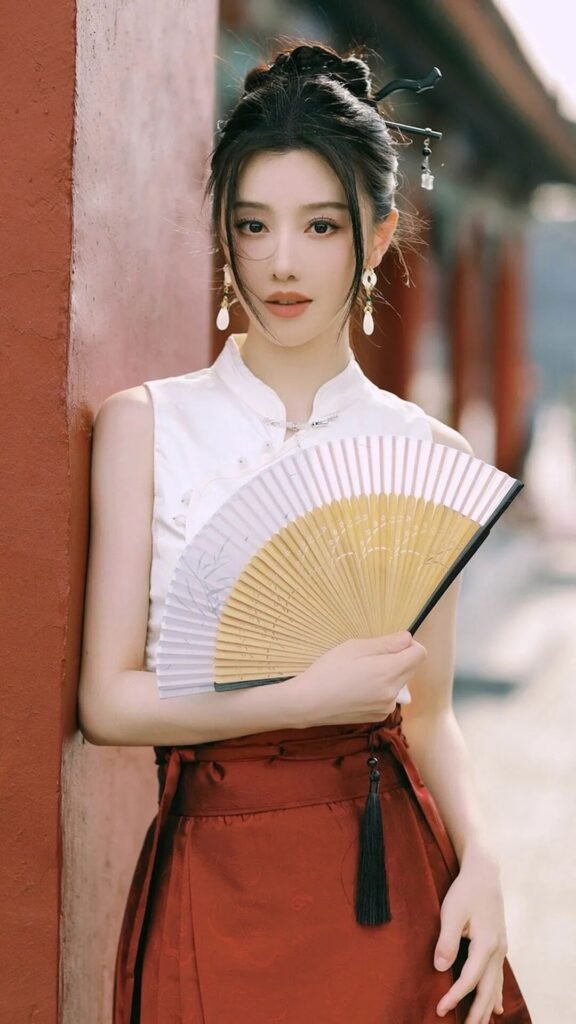
Following the incident, Wang Herun reportedly issued an apology, hoping to clarify the situation and ease tensions among fans. While the full impact of the controversy remains uncertain, many observers believe the episode highlights the challenges faced by actors whose public platforms are often managed by teams rather than solely by the artists themselves.
In an industry where reputation, fan perception, and professional relationships are closely intertwined, even a brief social media misstep can quickly evolve into a larger public discussion. For Wang Herun, the hope among supporters is that the focus will soon return to her work as an actress rather than to an incident beyond her direct control.

