A promotional event for the Yue opera film New Dragon Gate Inn (新龙门客栈) recently became an unexpected focal point for discussions about tradition, fandom culture, and the future of Yue opera. At the center of the moment were two figures from different generations of the art form: rising performer Chen Lijun and her mentor Mao Weitao, one of the most influential figures in modern Yue opera.
During the event, Mao Weitao, now in her sixties and widely respected as a three-time winner of China’s prestigious Plum Blossom Award, addressed the large group of young fans who had gathered to support Chen Lijun. Instead of delivering a typical thank-you speech, she chose to speak candidly about fandom behavior, warning against the pressure that online fan culture can place on performers.

Her remarks were unusually direct. She criticized the tendency among some fans to elevate one performer by attacking others and emphasized that traditional art forms cannot be driven entirely by fan enthusiasm. While her words briefly silenced the crowd, they also highlighted a deeper tension surrounding the sudden surge of attention toward Yue opera.
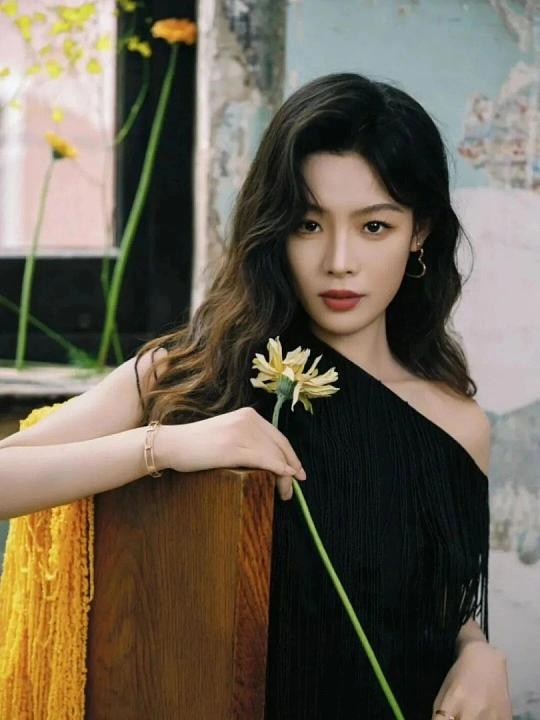
The wave of popularity largely stems from the breakout success of Chen Lijun, whose performance in New Dragon Gate Inn (新龙门客栈) has drawn massive attention on short-video platforms. Clips featuring her stage presence—especially moments combining elegance and charisma in traditionally male roles—have circulated widely online, with related videos reaching hundreds of millions of views and overall exposure approaching the billion mark.
The success has also translated into strong ticket sales. Stage performances led by Chen Lijun have toured nationwide with impressive box-office results, while audiences in their twenties and thirties now make up a significant portion of theatergoers. In some venues, tickets reportedly sell out within minutes, and livestream promotions have attracted hundreds of thousands of viewers at a time.
This surge in attention has turned Chen Lijun into a cultural phenomenon among younger audiences. Many fans refer to her as “laogong-jie,” a nickname that reflects the appeal of Yue opera’s famous “female xiaosheng” tradition—female performers portraying male roles with a blend of grace and heroic charm. Behind that charismatic image, however, lies years of rigorous training, from demanding stage practice to physically taxing rehearsal routines.
Yet the influx of online attention also raises questions about how traditional arts should engage with modern audiences. While younger viewers are drawn to striking visuals and memorable stage moments, longtime enthusiasts sometimes worry that the deeper artistic traditions—such as vocal styles, acting schools, and performance techniques—may be overshadowed.

Few people understand this balance better than Mao Weitao. Over the past four decades, she has become known for advocating what she calls a philosophy of “preserving tradition while pursuing innovation.” In her view, Yue opera must maintain several core elements: its poetic stage aesthetics, its use of regional dialect in singing, and the unique artistic style shaped by female performers.
At the same time, Mao Weitao has repeatedly pushed the boundaries of what Yue opera can be. Throughout her career she has experimented with unconventional adaptations and cross-cultural influences, sometimes provoking controversy among traditional audiences. Her productions have drawn inspiration from both Chinese literary classics and Western dramatic works, challenging expectations of how Yue opera should look and sound.
Her most recent project, a new Yue opera adaptation centered on Su Dongpo, sparked intense debate after its premiere. Some viewers praised its bold artistic experimentation, while others questioned whether such modern interpretations still belonged within the Yue opera tradition.
Within this broader artistic context, Chen Lijun represents both continuity and change. As Mao Weitao’s student, she embodies the rigorous training and performance discipline of the traditional system. At the same time, her widespread online popularity demonstrates how digital platforms can introduce younger audiences to an art form that once seemed distant from mainstream youth culture.
The dynamic between mentor and student has therefore become symbolic of Yue opera’s current crossroads. Chen Lijun draws crowds with moments that resonate on social media and expand the audience base, while Mao Weitao continues to experiment with complex theatrical language in pursuit of artistic depth.
Together, their paths illustrate two complementary directions: one opening the door to broader public engagement, the other pushing the artistic boundaries of the form itself. Both approaches ultimately share the same goal—ensuring that Yue opera not only survives in the modern era but continues to evolve as a living art.

