With its blend of romance, scandal, and high-society drama, Bridgerton has captivated audiences worldwide. For viewers drawn to its mix of emotional storytelling and layered power dynamics, Korean period and monarchy-themed dramas offer a similarly immersive experience—combining love stories with court politics, hidden identities, and social constraints.
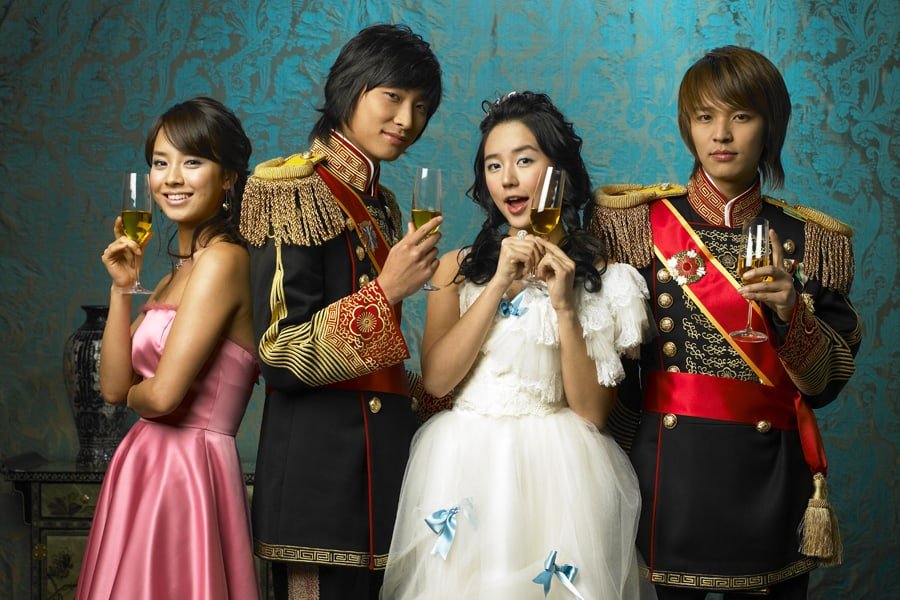
Among these, Princess Hours stands out as an early example of the “modern monarchy” concept. Starring Yoon Eun Hye and Ju Ji Hoon, the drama imagines a contemporary Korea where the royal system still exists. The arranged marriage between an ordinary girl and a crown prince unfolds into a story that balances youthful romance with the pressures of royal duty. Its tone is light and fairy-tale-like, yet it subtly reflects on hierarchy and adaptation within rigid systems.
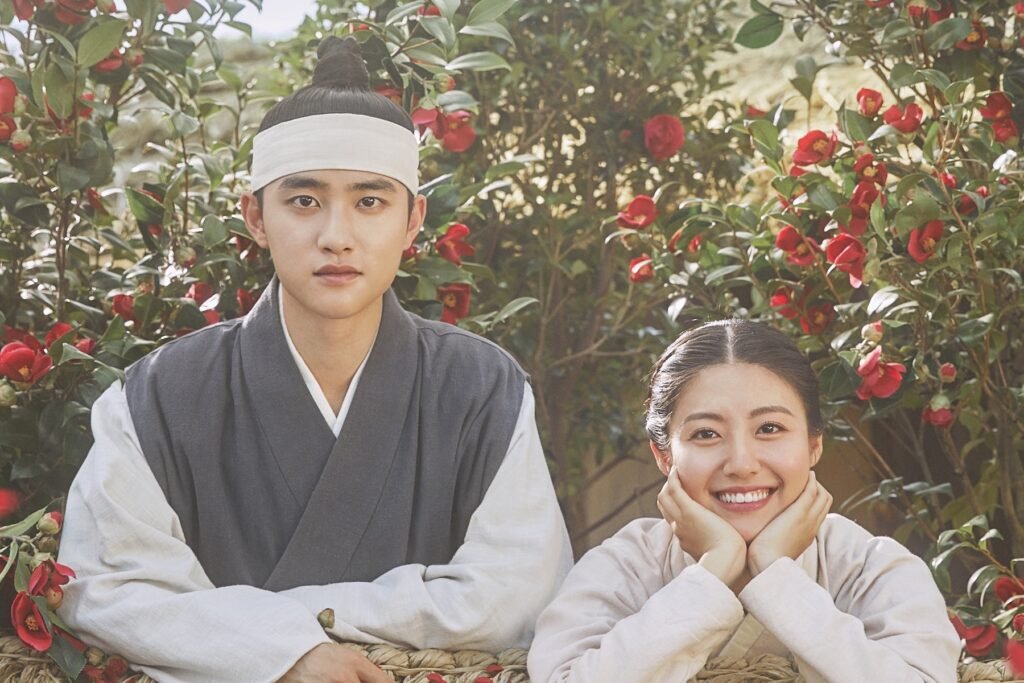
A different emotional register appears in 100 Days My Prince, led by Doh Kyung Soo and Nam Ji Hyun. The drama blends amnesia, mistaken identity, and rural life with palace intrigue. By shifting the crown prince into an ordinary village setting, the story explores identity from both positions of power and vulnerability. The romance develops in a more grounded and humorous way, while still tied to larger political stakes.
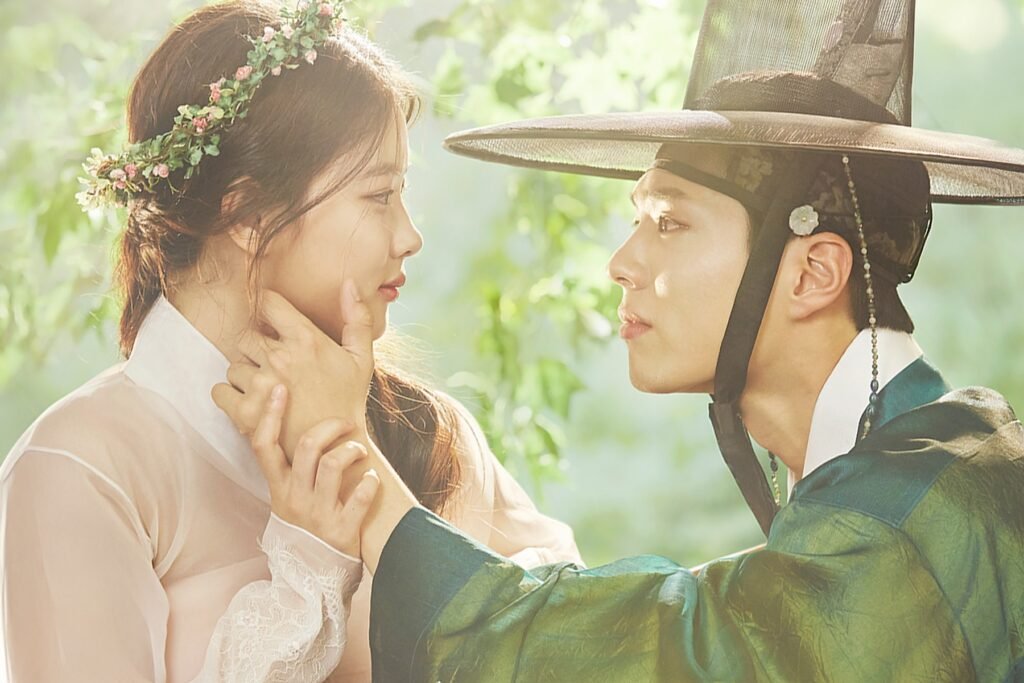
Similarly rooted in identity play, Love in the Moonlight features Kim Yoo Jung and Park Bo Gum in a classic gender-disguise narrative. Set in the Joseon era, the drama juxtaposes youthful charm with deeper emotional undercurrents. The crown prince’s growing affection for someone he believes to be male adds both comedic tension and emotional complexity, echoing Bridgerton’s interest in unconventional romantic dynamics.
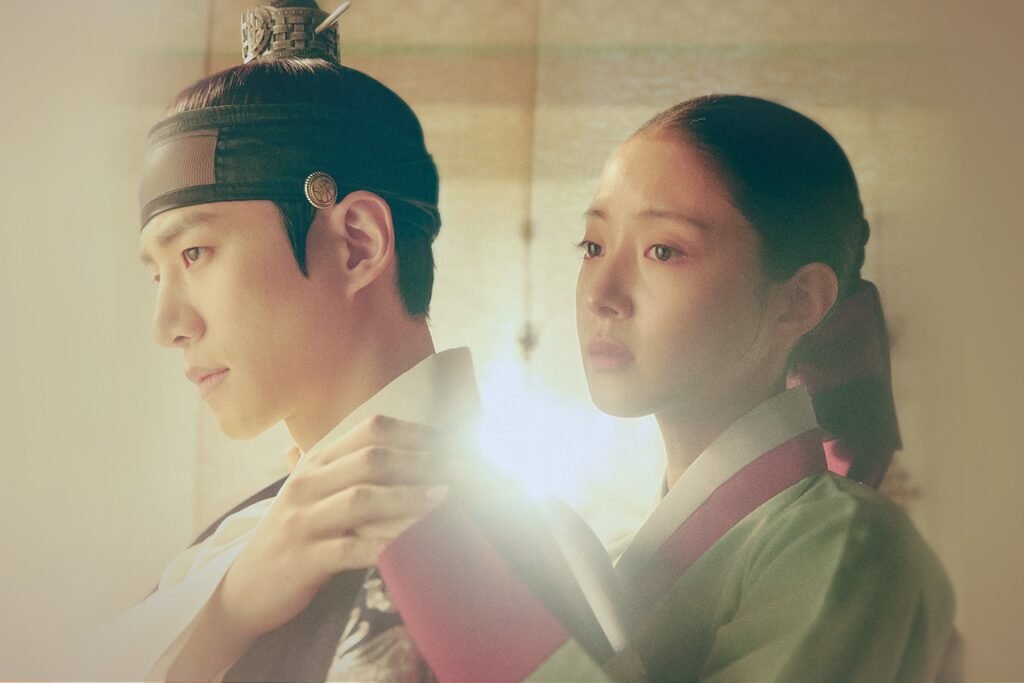
For those seeking a more emotionally intense and historically grounded story, The Red Sleeve, starring Lee Junho and Lee Se Young, offers a poignant portrayal of love constrained by duty. The relationship between a crown prince and a court lady unfolds with restraint, highlighting the sacrifices imposed by royal life. Unlike lighter romances, this drama leans into tragedy and realism, presenting love as something deeply felt yet often unattainable.
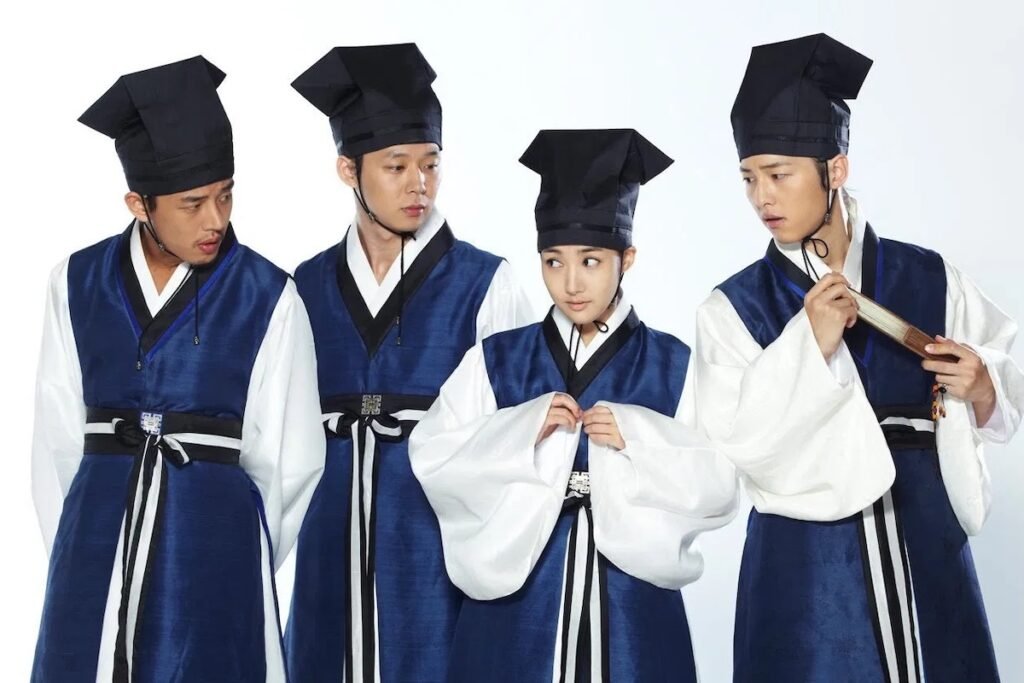
Meanwhile, Sungkyunkwan Scandal, led by Park Min Young, Song Joong Ki, and Yoo Ah In, shifts the setting to an academic institution while maintaining connections to court politics. Through its gender-disguise premise, the drama explores themes of equality, ambition, and belonging. The youthful energy and ensemble dynamics make it both entertaining and socially reflective.

Finally, The King’s Affection, starring Park Eun Bin and Rowoon, presents one of the most layered identity narratives. A woman forced to live as a crown prince embodies the tension between personal truth and public duty. The drama’s slow-burn romance and emotional restraint align closely with Bridgerton’s exploration of hidden feelings beneath formal structures, while its political stakes add further depth.
Taken together, these dramas echo many of the elements that define Bridgerton: structured societies, forbidden emotions, and characters navigating between personal desire and social expectation. However, they reinterpret these themes through Korean historical and cultural lenses, offering a distinct yet equally compelling viewing experience.

