Recent casting rumors surrounding the upcoming drama Qia Feng Yu Lian Tian (恰逢雨连天) have drawn widespread attention, placing Bai Lu at the center of a broader discussion about project positioning, role structure, and career direction. Despite the drama’s strong creative lineup, the situation has highlighted ongoing tensions between resources, expectations, and actor autonomy.
Directed by Li Mugge, known for works such as Goodbye My Princess and Rattan, and written by Shen Nianqing, who participated in Love Between Fairy and Devil, Qia Feng Yu Lian Tian (恰逢雨连天) appears to carry significant production value. On paper, it presents itself as a female-led political drama. However, industry discussions suggest that the narrative may, in practice, place greater emphasis on developing three male characters, potentially reducing the centrality of the female lead.
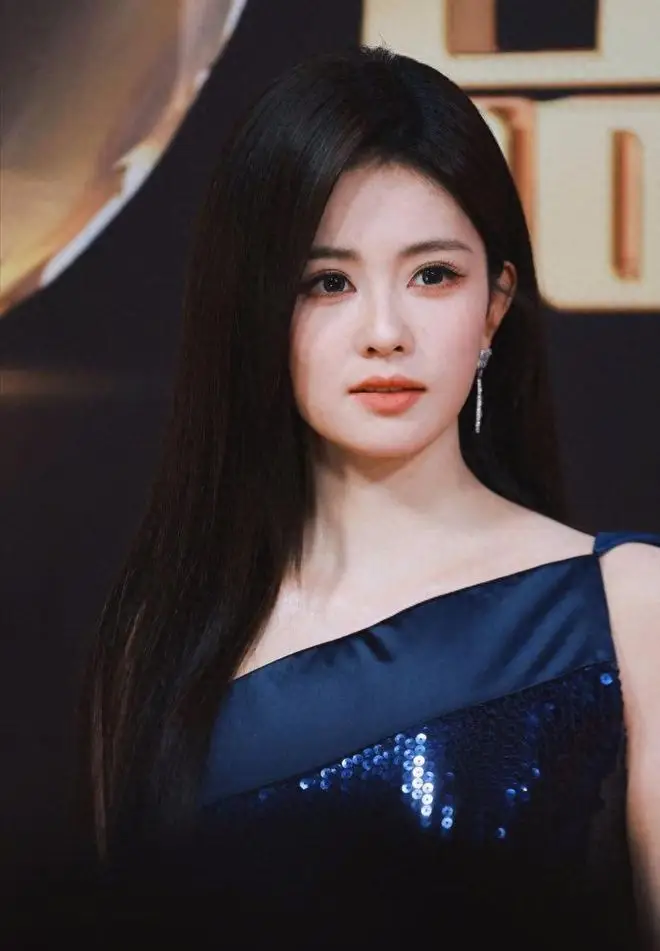
Within this context, Bai Lu’s reported hesitation toward the project has become a focal point. While unconfirmed, such discussions reflect concerns about role balance and character depth. The idea of a so-called “camera-focused female lead,” where the protagonist’s presence is visible but not narratively dominant, has been widely debated, particularly in relation to Qia Feng Yu Lian Tian (恰逢雨连天).
At the same time, Bai Lu’s current career stage adds further complexity to the situation. Having recently completed filming for Mo Li (莫离), she has reportedly taken a break following a period of health challenges. These circumstances may influence her approach to selecting future projects, especially those that do not align clearly with her long-term development.
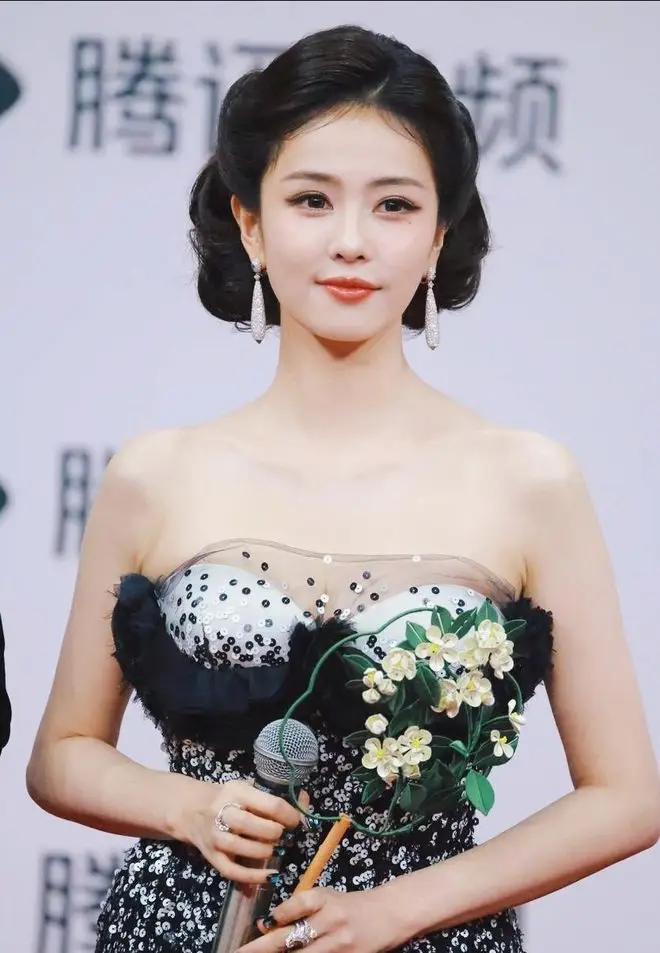
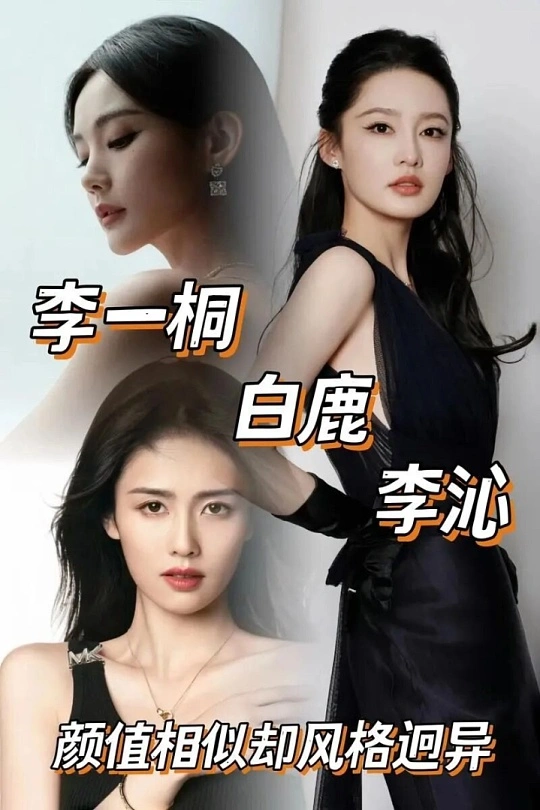
Comparisons have also been drawn between Bai Lu and other actresses of her generation. Like Yang Zi, she possesses a strong audience base, particularly among female viewers, which contributes to her ability to carry a drama. In contrast, actresses such as Li Qin and Li Yitong are often discussed in terms of performance capability but face different audience dynamics, affecting their resource trajectories.
From a positioning standpoint, Bai Lu’s screen image—marked by a more resilient and composed temperament—does not naturally align with narratives centered on male-dominated perspectives. This distinction is important when considering projects like Qia Feng Yu Lian Tian (恰逢雨连天), where the balance between characters may influence audience reception.
Looking ahead, the discussion surrounding Bai Lu also ties into a broader question of career transition. With her current level of popularity and proven ability to anchor projects, moving toward more grounded, performance-driven dramas appears to be a viable path. Precedents within the industry, such as Zhao Liying, demonstrate how such transitions can redefine an actress’s long-term trajectory.
Ultimately, whether Bai Lu chooses to take on Qia Feng Yu Lian Tian (恰逢雨连天) or not, the situation underscores the importance of project selection at this stage of her career. As the industry continues to evolve, aligning role choices with personal development and audience expectations will likely play a decisive role in shaping her future direction.

