There are countries you visit once, check off a list, and move on.
And then there’s Japan.
Japan isn’t just a destination — it’s a place that quietly pulls you back. Not because it overwhelms you with spectacle, but because it leaves you with a feeling that you didn’t quite finish experiencing it.
The first trip usually revolves around Tokyo, Kyoto, and maybe Osaka. You see the highlights, eat incredible food, take photos, and think you’ve “done Japan.”
But somewhere along the way — maybe while sitting in a quiet alley in Kyoto, or watching commuters flow through Shibuya — you realize something:
Japan isn’t a country you complete. It’s one you gradually understand.
This Japan travel guide isn’t about listing places. It’s about explaining why Japan works so well as a travel destination — and why it keeps ranking among the most satisfying countries to visit in the world.
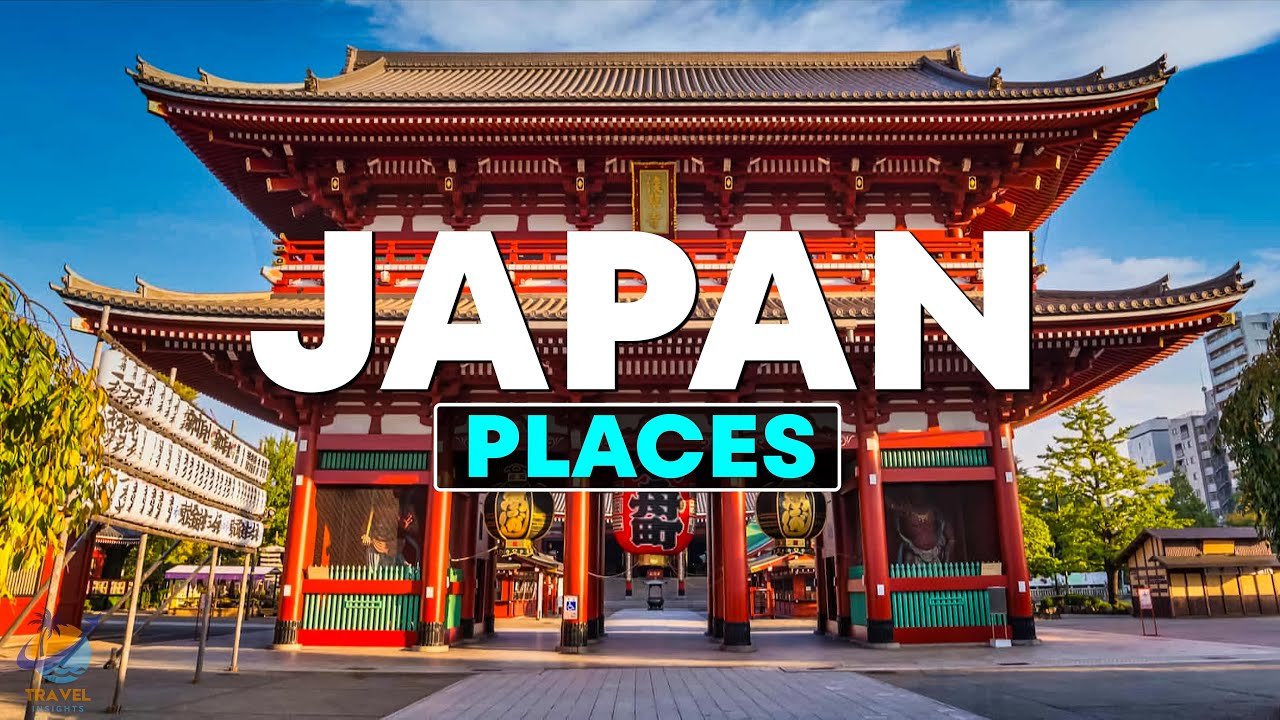
Why Japan Feels Different From Other Travel Destinations
Japan doesn’t try to impress you in obvious ways. It doesn’t rely on dramatic chaos, loud markets, or constant stimulation.
Instead, it does something more subtle — it gets everything right.
- Trains arrive on time
- Streets are clean
- Food quality is consistently high
- Service feels intentional, not forced
Individually, none of these things sound extraordinary. But together, they create something rare:
👉 a travel experience with almost no friction
You don’t waste energy worrying about logistics. You don’t second-guess your choices constantly. You don’t feel drained at the end of the day.
And because of that, you actually have the mental space to enjoy where you are.
That’s the difference.
Understanding Japan’s Travel Regions (This Matters More Than You Think)
One mistake many travelers make is treating Japan as a single, uniform experience. It isn’t.
Where you go in Japan completely changes how your trip feels.
Tokyo and the Kanto Region: Controlled Chaos Done Right
Tokyo is often described as overwhelming. In reality, it’s one of the most efficiently organized cities in the world.
Yes, it’s massive. Yes, it’s busy. But it’s also incredibly structured.
Each district feels like its own world:
- Shibuya: fast, youthful, energetic
- Shinjuku: dense, vertical, slightly chaotic at night
- Ginza: polished, upscale, quiet in a different way
- Asakusa: slower, more traditional
What surprised me the most wasn’t the scale — it was the predictability.
Even in the busiest areas, things make sense. Signage is clear. Systems work. People follow invisible rules that keep everything flowing.
👉 Tokyo isn’t about sightseeing. It’s about observing how a mega-city can function without collapsing into disorder.
Kyoto and Kansai: Where Japan Slows Down
If Tokyo feels like the present, Kyoto feels like memory.
Kyoto isn’t just a collection of temples. It’s an atmosphere.
- Narrow streets
- Wooden houses
- Quiet mornings
- The sound of footsteps instead of traffic
You don’t rush Kyoto. If you do, you’ll miss the point.
The most memorable moments here aren’t the famous landmarks — they’re the pauses in between:
- Walking through Gion at dusk
- Sitting near a temple garden
- Watching light change across old buildings
Nearby, Osaka adds contrast. It’s louder, more expressive, and unapologetically focused on food.
👉 Kansai gives you both sides of Japan: restraint and release.
Hokkaido: Space, Silence, and Seasons
Hokkaido feels like a different country.
Less crowded. Less intense. More open.
If Tokyo compresses you and Kyoto slows you down, Hokkaido lets you breathe.
- Winter: deep snow, skiing, snow festivals
- Summer: mild weather, flower fields
- Autumn: dramatic foliage without the crowds
What stands out most is the absence of pressure.
You’re not trying to “optimize” your day. You’re just… there.
👉 If your first trip to Japan feels structured, your second trip should include Hokkaido.
Kyushu and Onsen Culture: The Most Underrated Experience
If there’s one aspect of Japan that doesn’t get enough attention internationally, it’s onsen culture.
In places like Yufuin, Beppu, and Kurokawa, travel becomes something else entirely.
You’re not moving constantly. You’re not checking off landmarks.
Instead:
- You stay in one place
- You soak in hot springs
- You eat multi-course meals
- You slow down
This is where Japan stops being a “trip” and starts becoming a lifestyle experience.
And honestly, this is where many travelers fall in love with the country.
Japanese Culture: Not Preserved — Integrated
A lot of travel content talks about “traditional Japan” as if it’s frozen in time.
That’s misleading.
Japan didn’t preserve its culture by isolating it. It preserved it by integrating it into modern life.
You’ll see:
- Business professionals walking past ancient shrines
- Traditional festivals happening in modern cities
- Minimalist design rooted in centuries-old aesthetics
Nothing feels forced. Nothing feels staged.
👉 Culture in Japan isn’t something you visit — it’s something you move through.
Food in Japan: The Real Reason People Come Back
Let’s be honest: food is a major reason people return to Japan.
But it’s not just about taste.
It’s about consistency.
In many countries, you chase “the best place.” In Japan, the baseline is already high.
- A random ramen shop can be excellent
- Convenience store meals are genuinely good
- Even simple dishes are prepared with care
And then there’s the variety:
- Sushi
- Ramen
- Tempura
- Yakitori
- Regional specialties everywhere
You don’t need a list. You just need curiosity.
👉 Japan doesn’t just serve food. It builds trust with it.
When Is the Best Time to Visit Japan? (It Depends on You)
There’s no single “best time” — only different experiences.
- Spring (March–April): Cherry blossoms, crowded but iconic
- Summer (June–August): Festivals, fireworks, humid weather
- Autumn (October–November): Arguably the most balanced season
- Winter (December–February): Snow, hot springs, fewer tourists
If it’s your first time, spring or autumn is the safest choice.
If it’s your second time, consider winter or regional travel.
👉 Japan rewards repeat visits more than perfect timing.
The Honest Pros and Cons of Traveling in Japan
What Japan Does Better Than Almost Anywhere
- Safety — consistently high
- Transportation — reliable and extensive
- Cleanliness — across cities and rural areas
- Food quality — from low to high budget
- Service — attentive without being intrusive
Where Japan Can Be Challenging
- Cost — not cheap, especially in major cities
- Language barrier — manageable, but real
- Crowds — especially during peak seasons
- Planning — some logistics require preparation
Still, compared to most destinations, Japan offers one of the most stable travel experiences available.
Who Japan Is (and Isn’t) For
Japan is ideal for travelers who:
- Appreciate structure and detail
- Enjoy cultural depth
- Care about food quality
- Prefer low-stress environments
It may not be ideal if you:
- Want spontaneous, chaotic exploration
- Prioritize budget above all else
- Seek extreme adventure or unpredictability
👉 Japan is less about adrenaline, more about refinement.
A Personal Perspective: Why Japan Stays With You
If I had to describe Japan in one sentence, it wouldn’t be “impressive.”
It would be:
👉 “quietly exceptional.”
Japan doesn’t try to win you over instantly. It builds trust over time.
You notice small things:
- How smoothly everything works
- How respectful people are
- How much thought goes into everyday details
And then, after you leave, those things stay with you.
That’s when you realize —
you didn’t just enjoy Japan. You adjusted to it.
And that’s why you want to go back.
Final Thoughts: Japan Isn’t Just a Trip — It’s a Standard
Japan sets a benchmark.
Not because it’s perfect, but because it’s consistently thoughtful.
It shows what happens when:
- Infrastructure works
- Culture is respected
- Quality is prioritized
You don’t have to “figure out” Japan. You just have to show up and engage with it.
And in return, it gives you one of the most complete travel experiences available anywhere in the world.
If you’re choosing a destination that combines culture, food, safety, and depth —
👉 Japan isn’t just a good choice. It’s one of the best you can make.

