Actress Zhang Jianing has recently drawn attention after candidly revealing that her once natural single eyelid can no longer return to its original state due to long-term professional demands. Addressing speculation online, Zhang Jianing clarified through a video that she has never undergone cosmetic procedures, explaining that the change was the result of years of repeatedly using double eyelid tape for her roles.
According to Zhang Jianing, the transformation occurred gradually over a period of four years, during which she consistently wore eyelid tape for more than ten hours a day while filming. This routine, required to match character styling—particularly for more polished and capable on-screen personas such as her role in Ode to Joy—eventually altered the structure of her eyelid. Over time, the repeated stretching caused her right eyelid to form a permanent crease, while the left eye remained unchanged. Today, Zhang Jianing maintains symmetry by continuing to use eyelid tape on one side, turning what might seem like a cosmetic enhancement into a visible reminder of professional strain.
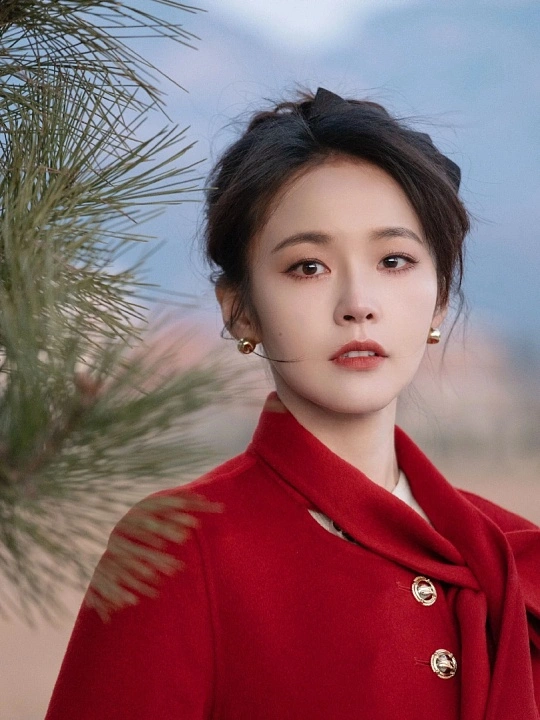
From a medical perspective, such a transformation is not a harmless byproduct. Specialists have noted that double eyelid tape works by applying external force to create folds in the skin, and prolonged use can damage elastic fibers, leading to irreversible loosening or sagging. In more severe cases, it may also trigger skin sensitivity or contact dermatitis. Zhang Jianing’s experience reflects an extreme example of how repeated physical stress, when tied to occupational demands, can result in lasting physiological changes.
Her story has also reignited broader discussions about the hidden costs of acting. In the entertainment industry, physical transformation for roles is often seen as dedication, yet such changes can extend beyond temporary adjustments. Long-term use of wigs may affect hairlines, heavy special-effects makeup can irritate the skin, and rapid weight fluctuations for roles can have lasting impacts on metabolism and overall health. These sacrifices are frequently framed as professionalism or artistic commitment, but rarely examined in detail.

The honesty of Zhang Jianing has shifted public conversation beyond appearance-related speculation. Many have begun to draw parallels with their own professions, recognizing similar patterns of physical impact. Whether it is prolonged sitting leading to spinal issues, constant speaking resulting in vocal strain, or long hours of standing causing circulatory problems, her experience resonates as a broader symbol of occupational wear and tear. In this sense, Zhang Jianing’s asymmetrical eyelids have become more than a personal story—they reflect a shared reality across different fields of work.
At the same time, her case raises questions for production teams and the industry at large. When visual requirements for a role begin to affect an actor’s long-term health, where should the line be drawn? Could advancements in makeup technology, safer materials, or post-production techniques reduce such physical strain? The pursuit of visual perfection on screen may benefit from a reconsideration of its off-screen consequences.
Interestingly, the discussion has also prompted a renewed appreciation for Zhang Jianing’s earlier appearances. Viewers revisiting her performances in The Story of Minglan and Shining for One Thing have noted that what made her characters memorable was not adherence to a specific beauty standard, but the vitality and authenticity she brought to each role. This perspective subtly shifts the focus away from physical perfection toward performance itself.
Ultimately, Zhang Jianing’s experience highlights a complex intersection between professional dedication and personal well-being. While some view her situation as a testament to commitment, others question whether any role should come at the cost of lasting physical change. As Zhang Jianing continues her career, her story leaves behind a broader reflection on the balance between artistic pursuit and self-preservation.

