Over the past two years, Yu Shi has steadily increased his visibility through major events, brand appearances, and high-end collaborations, particularly within the so-called “water meter circle.” His commercial value has risen significantly, and his public presence has grown stronger with each season. Yet compared with other rising actors of his generation, his trajectory has always felt slightly off the mainstream track. Instead of diving quickly into top-tier film and television projects, he spent more time appearing at large-scale events, building a polished and recognizable public image while his acting resources came in slowly and sometimes unevenly. Due to limitations tied to his existing image and temperament, he was rarely the first choice for leading roles in major IP dramas, which left many fans anxious about his long-term acting prospects.
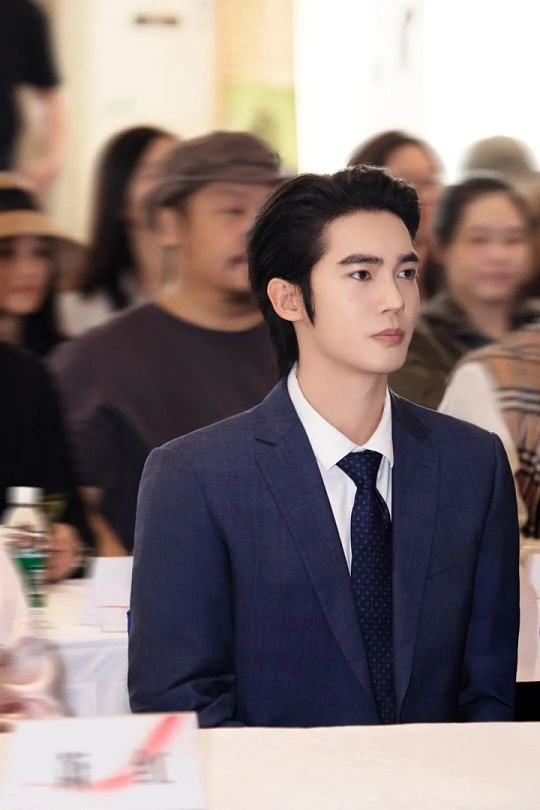
This anxiety eventually erupted into a full-scale storm. The frustration that fans had been accumulating over a long period finally exploded, and calls for Yu Shi to terminate his contract surged to the top of trending topics. Their dissatisfaction did not stem from a single incident but from prolonged concerns about his health, career planning, and the team’s professional competence. Many fans felt that the company had failed to protect him in key moments, allowed rumors and negative narratives to spread without proper response, and lacked the strategic capability to guide his long-term growth. Some supporters even launched cross-fandom giveaways to express their determination, hoping to push the situation toward a contract termination regardless of the cost.
Yet for all the noise, there has been no official confirmation suggesting that such a termination is underway. In the entertainment industry, contracts are rarely simple documents; they involve financial interests, shared rights, and complex structures that make any change a lengthy process. Public sentiment can certainly create pressure, but it cannot override the deeper negotiations that occur behind closed doors. It is clear that tension exists between Yu Shi and his company, and fan distrust has grown significantly, but whether this has escalated into a formal severing of ties remains uncertain.
Looking beyond the surface, the heart of the issue is not merely “whether he will terminate his contract.” Instead, it reflects fans’ deeper worry about his future. They do not want him to rely solely on commercial appearances or maintain visibility only through public events. What they long for is a stable artistic path, meaningful acting roles, thoughtful long-term planning, and a team capable of protecting and supporting him through the challenges of the industry. For any actor, lasting influence is built not on brand exposure but on representative works that define their craft.
Perhaps the real question is not about ending a contract but about realigning Yu Shi’s career so it grows in the direction of an actor rather than just a public figure. Beyond the trending discussions and emotional reactions, his next steps remain crucial and deserve continued attention.

