On November 24, actor Li Yunrui once again became the focus of online discussion after being spotted at a beauty clinic, with the footage quickly climbing to the top of trending searches. In the circulating video, he appears in a blue-gray down jacket, white knitted beanie, and a mask, his 182-centimeter height making him stand out in the crowd. What captured the most attention, however, was the remarkably small and delicate facial outline still visible despite the mask. Viewers humorously remarked on the contrast between his tall frame and refined features, saying he was “towering in height, yet still competing in facial maintenance.”
This sighting may appear to be an ordinary celebrity schedule, but it fits neatly into a pattern that has developed over time. Li has repeatedly gone viral for his skincare habits. In May 2025, he was photographed leaving a beauty clinic with a sheet mask still under his face mask—a moment that became a widely circulated highlight. A similar appearance in December 2024 also made headlines. These instances have led many to conclude that skincare is not an occasional effort for him but a consistent lifestyle choice. Fans even coined the nickname “C-entertainment’s Safeguard,” a playful nod to his dedication to self-care and image management.
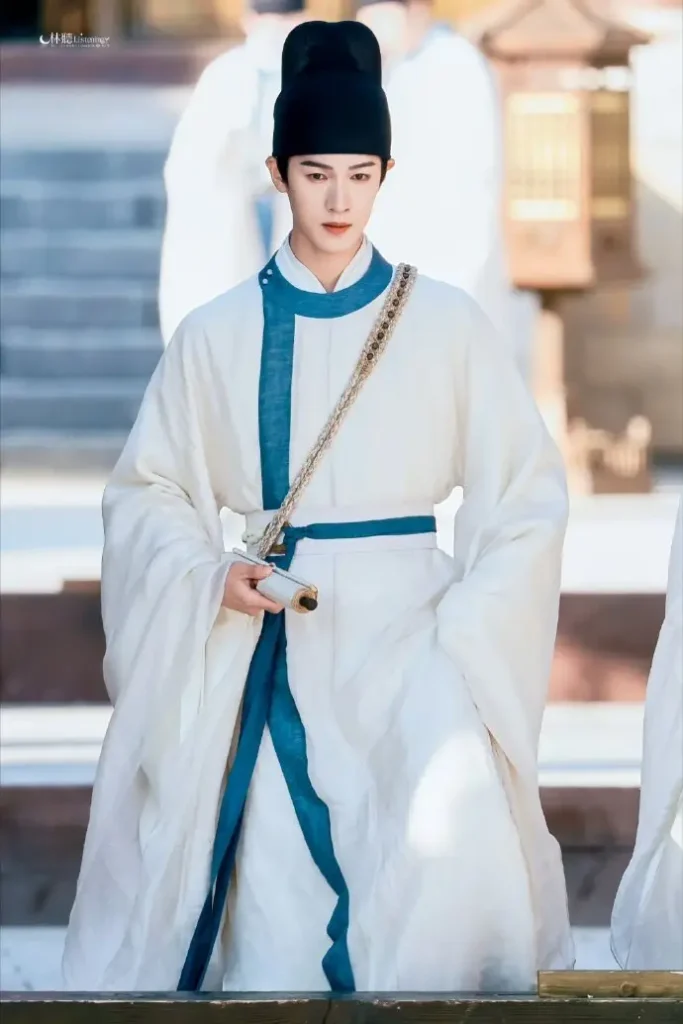
Public reaction to his “aesthetic discipline” has been largely positive, with many netizens viewing it as a sign of professionalism. Commenters noted that maintaining a fresh, clean appearance helps enhance the overall viewing experience and deepens audience immersion in character portrayals. With his upcoming historical dramas Banquet in Yong’an and Princess Shang scheduled for release, discussions around his screen presence and physical condition have naturally intensified, earning him labels such as “reassuringly handsome” and “a model of aesthetic discipline.”
Beyond the individual case, the incident has prompted broader reflection on shifting industry dynamics. Many see it as evidence that male celebrities are increasingly expected to participate in the long-standing “beauty competition” more commonly associated with female stars. Viewers are calling for more balanced standards, arguing that both male and female leads should maintain comparable on-screen states to avoid mismatched appearances. Some comments even state bluntly that “after women have been competing for years, it’s time for men to keep up.”
In essence, Li Yunrui’s latest beauty clinic visit has evolved into a wider conversation about contemporary expectations for actors. It reflects audiences’ growing emphasis on professional image and highlights how “appearance management” in the entertainment industry has become more equitable, competitive, and closely scrutinized than ever before.

