A recent account shared online about actor Zheng Kai’s filming experience has unexpectedly triggered widespread discussion about age-gap casting and the creative direction of short-form dramas. On November 25, a netizen revealed that the actor had taken on a role in a production described by the director as a “noona romance.” At 38, he reportedly assumed he would be paired with a younger actress. However, upon arriving on set, he discovered that his co-star was a 68-year-old veteran performer. The surprising contrast immediately generated buzz and quickly rose to the top of trending discussions.

The topic gained traction partly because of the humorous reactions it sparked. Some viewers drew playful parallels to earlier television productions known for unconventional age pairings, joking that certain actors from the past “would understand this feeling.” As the story spread, the conversation also expanded to critique exaggerated plot devices and dialogue that some viewed as lacking refinement.
Alongside the jokes, sharper criticism surfaced. Some viewers accused the production of relying on shock value rather than storytelling, arguing that pairing actors with such an extreme age difference merely to attract attention undermines artistic integrity. They expressed concern that this trend reflects a growing reliance on sensational elements in place of meaningful narrative development.
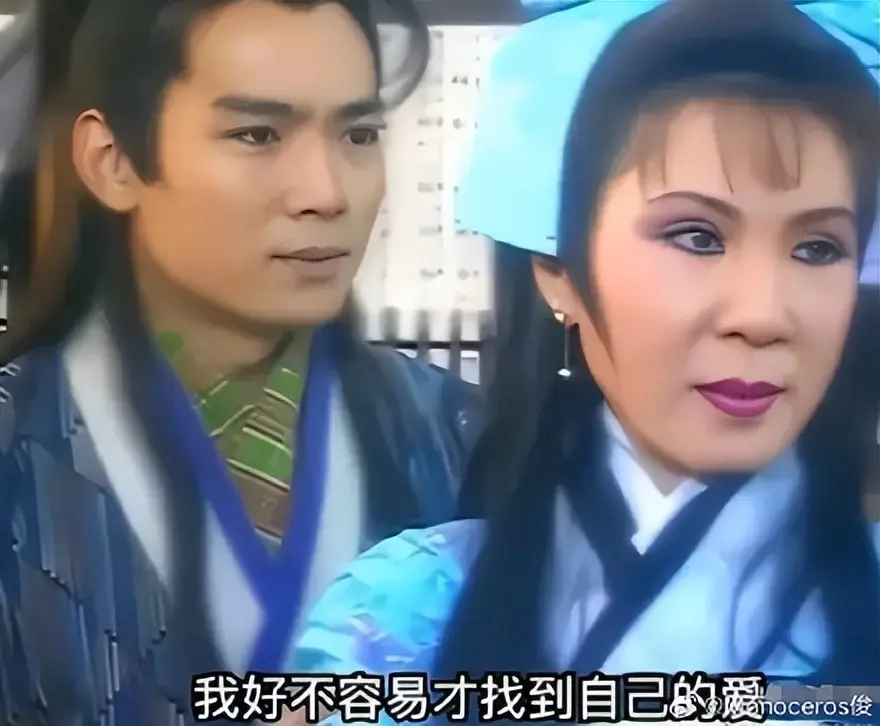
However, many others defended the involvement of older actresses, emphasizing that professional skill does not diminish with age. Supporters noted that the short-drama market offers opportunities for women of various ages to participate in performance work. Some commenters used the moment to highlight deeper industry issues—such as the well-documented decline in opportunities for actresses after age 35—arguing that the backlash exposes entrenched biases related to age and gender.
The incident also reignited broader scrutiny of the short-drama industry. With rapid monetization driving much of the market, numerous productions rely on repetitive story templates, heavily filtered visuals and abrupt editing styles. This homogeneity has contributed to audience fatigue. As one viewer remarked, “If these stories keep being made, it means the market demands them.”
In the end, the controversy surrounding Zheng Kai’s unexpected “age-gap romance” role has evolved far beyond a single casting decision. It reflects the tension between audience expectations, commercial incentives and creative boundaries within a rapidly expanding format. As short dramas continue to chase novelty and shock value, the industry faces an essential question: how far can creators push in the pursuit of attention before compromising narrative quality and viewer trust?

