Zhao Jinmai has officially joined the cast of Youku’s upcoming drama Irreplaceable, collaborating with director Chen Mingzhang and screenwriter Zhang Wei. The announcement immediately drew attention, as both the creative team and the project itself signal a notable shift in her acting trajectory.
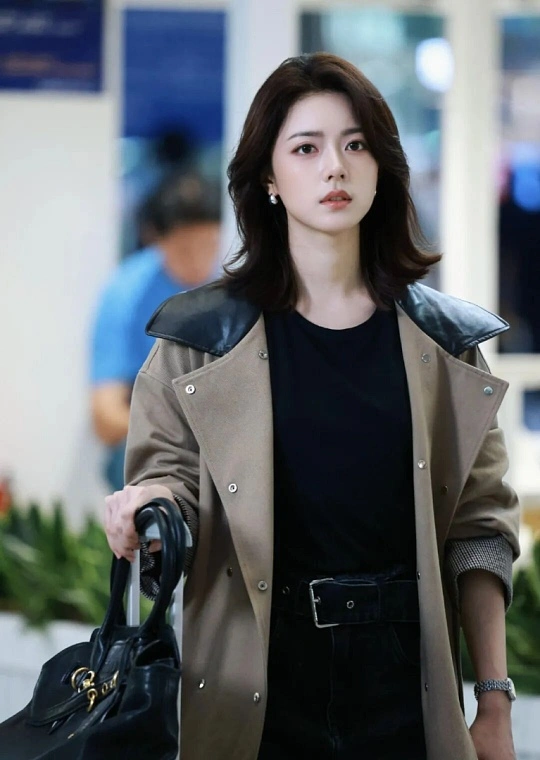
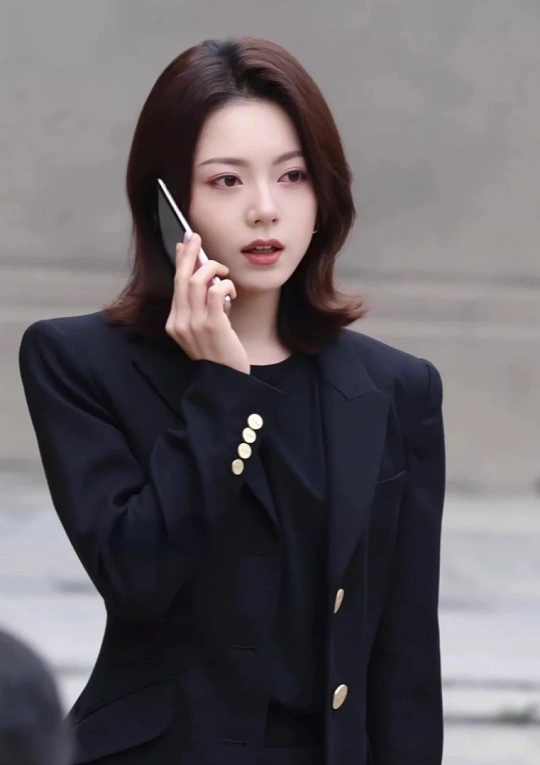
The first revealed visuals show Zhao with a sharp short haircut and a fitted black suit, projecting a composed and professional presence. This look stands in stark contrast to her long-established “campus sweetheart” image. The streamlined hairstyle emphasizes clean facial lines and removes traces of youthful softness, visually reinforcing a move toward a more grounded, career-oriented narrative.
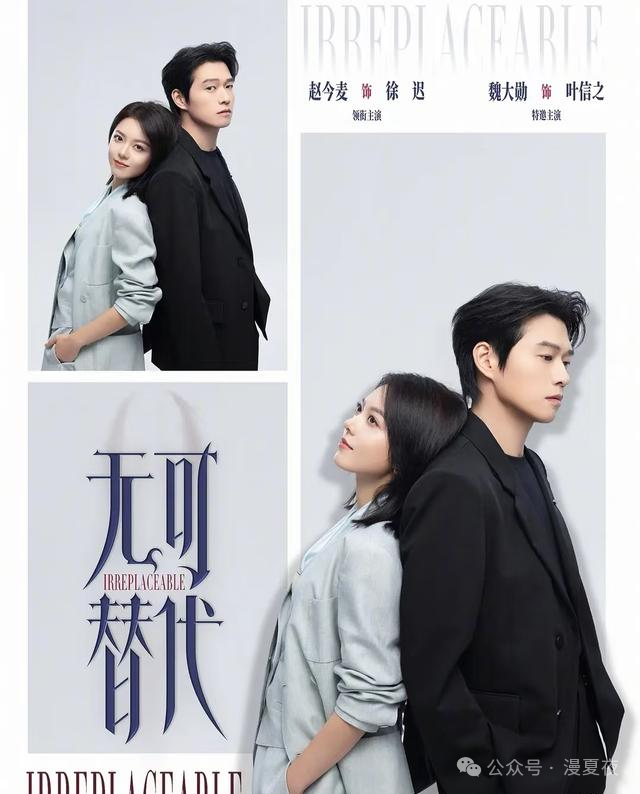
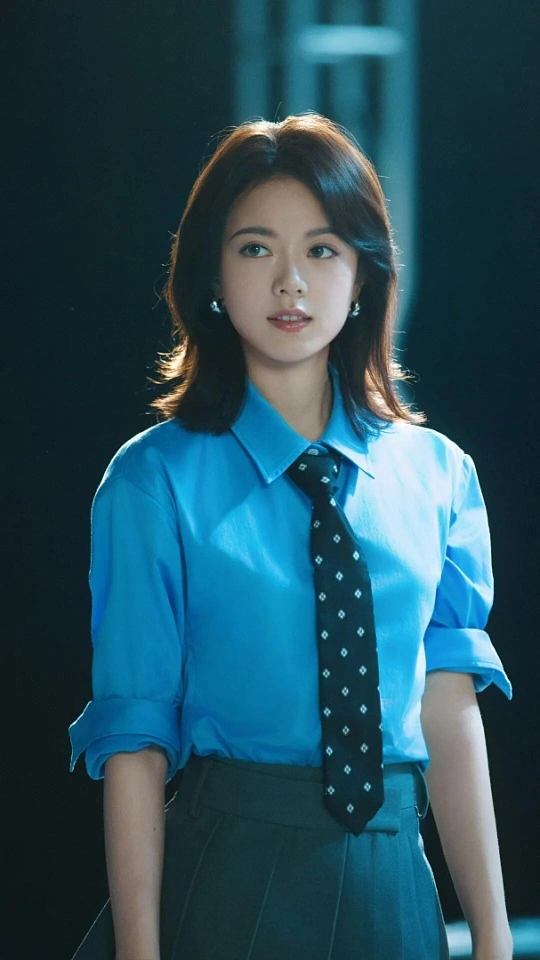
In Irreplaceable, Zhao portrays Xu Chi, a character designed with clear stages of growth rather than a one-dimensional “dark heroine” trope. Costume choices reflect this progression: early looks—light satin blouses, straight-cut trousers, and restrained hairstyles—suggest caution and adjustment, while later outfits, such as muted blue suit sets paired with knit tops and block heels, convey increasing confidence and authority. These details help anchor the character in a believable professional reality.
Wei Daxun’s role as Ye Xinzhi, a business partner, offers a complementary contrast. His understated, intellectual elegance creates a balance on screen, presenting a form of professional charisma rooted in restraint rather than dominance. The dynamic between the two characters avoids simple rivalry or romance, instead portraying a nuanced relationship shaped by mutual recognition, competition, and strategic collaboration.
From a production standpoint, director Chen Mingzhang continues his focus on emotional logic and realism. Workplace conflicts are depicted through process rather than shortcuts, whether in crisis management or internal decision-making. This approach demands subtle performance control, and Zhao Jinmai responds with measured shifts in tone, pacing, and expression that clearly mark her character’s evolution.
The public discussion surrounding Zhao’s “short hair and suit” goes beyond styling. It reflects a broader audience desire for more authentic representations of professional women—figures defined not only by appearance, but by competence, agency, and emotional depth. For Zhao Jinmai, Irreplaceable represents more than a visual transformation; it is a deliberate step in defining herself as a growth-oriented actress.
Whether the drama ultimately meets expectations will depend on its broadcast reception. What is already clear, however, is that Irreplaceable has sparked a wider conversation about professional aesthetics, character credibility, and the long-term development of young actors. At this moment, Zhao Jinmai stands firmly at the center of that conversation.

