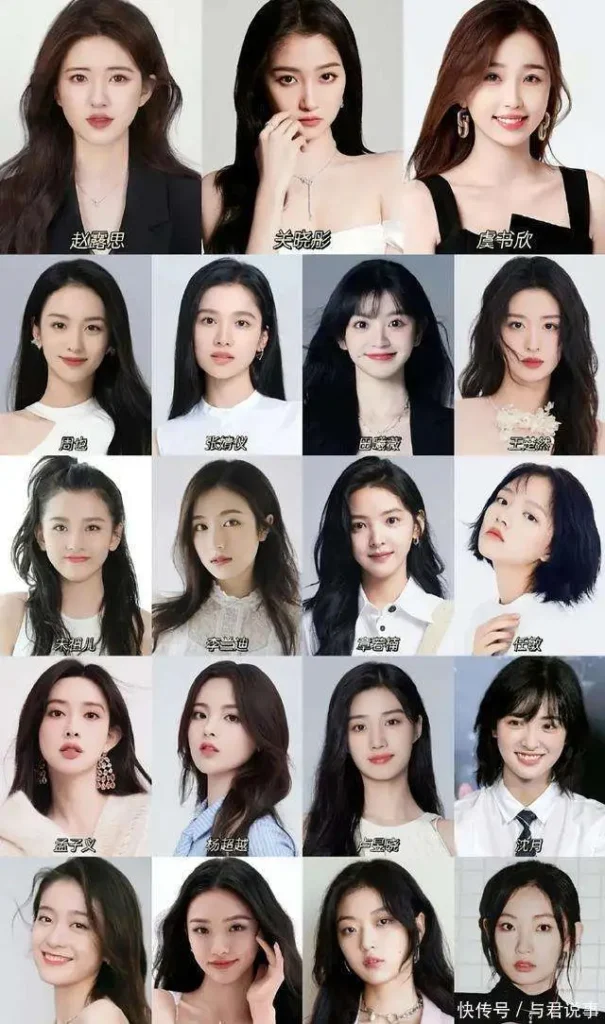
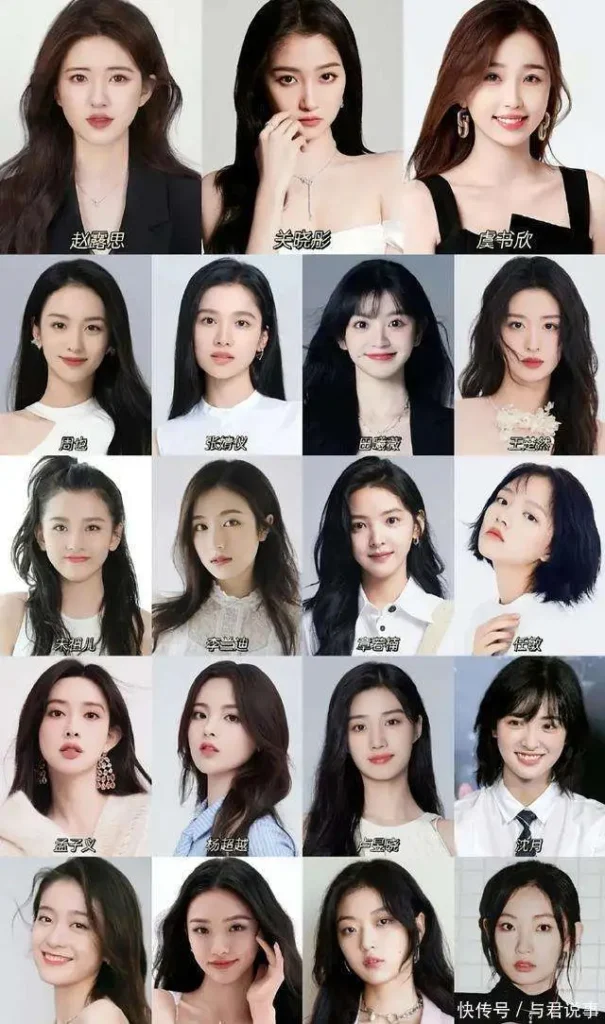
Following the announcement of the lineup for the Starlight Awards, a widely circulated “status ranking chart” quickly became a talking point online. Although unofficial, the chart drew attention for visually arranging celebrities according to their perceived standing at the event. Rather than the star power of the ceremony itself, it was this chart that sparked intense discussion.

In an era where popularity cycles move faster than ever, the idea of a permanent “top-tier star” has become increasingly unstable. An artist’s position today is shaped not only by popularity, but also by recent works, commercial appeal, and public reputation. While the chart carries a clear element of exaggeration and subjectivity, it inadvertently highlights how these factors interact in shaping the current entertainment landscape.
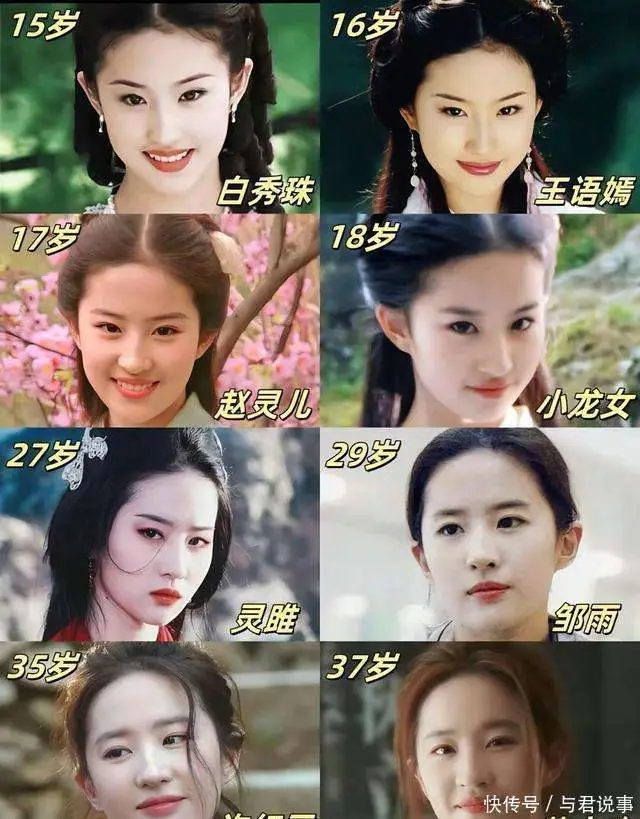

What stirred debate was not simply who ranked higher or lower, but also who was missing altogether. These omissions and shifts underscored how competitive and unforgiving the industry has become. Established figures no longer dominate by default, while newer faces gain visibility through timely projects and market momentum. The chart thus reflects ongoing changes in audience preferences and industry priorities.

Seen this way, the chart functions less as a definitive ranking and more as a snapshot of transition. Its accuracy may be questionable, but its popularity suggests a broader awareness that hierarchy in the entertainment world is fluid. Positions are continuously renegotiated through performance, reception, and time—making any momentary ranking both revealing and temporary.