In a world that constantly asks us to become more, to prove more, to be more, loving oneself often feels like an afterthought. We grow up believing that love must come from outside—from approval, recognition, admiration, or affection granted by others. Yet as life unfolds, quietly and sometimes painfully, we begin to realize that the most enduring form of love is the one we cultivate within ourselves.
To love yourself is not an act of vanity, nor is it a declaration of isolation. It is a deep, gentle acknowledgment that how you treat yourself becomes the blueprint for how others are allowed to treat you. When you respect your own boundaries, when you speak to yourself with kindness rather than cruelty, you are teaching the world how you deserve to be met.
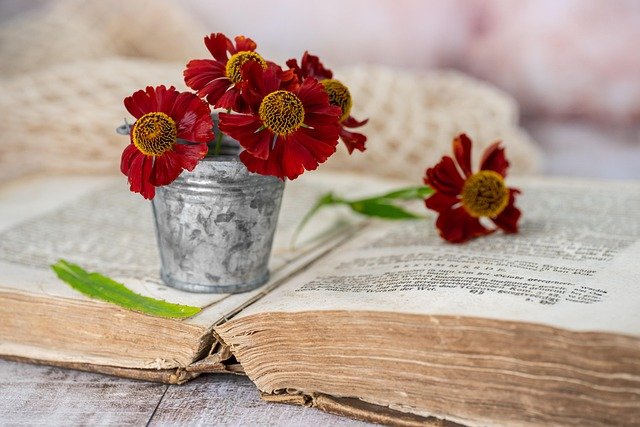
The truth is, we cannot control the vastness of the world beyond us. We cannot dictate how others behave, what they think, or how life chooses to challenge us. But we can tend to our inner landscape. We can choose to make our hearts a place of refuge rather than a battlefield. When you water your soul with patience and compassion, it becomes a garden—one that blooms even during seasons of uncertainty.
There is no love more reliable than unconditional self-love. External love, no matter how beautiful, is fragile by nature. It depends on circumstances, timing, and the imperfect humanity of others. Self-love, however, is a promise you make to yourself: to remain present, to remain gentle, even when you fall short of your own expectations.
We often extend extraordinary grace to the people we love. We forgive their flaws, stand by them in their weakest moments, and continue to see their worth even when they cannot. Loving yourself asks for the same generosity. To look at your own mistakes not as evidence of failure, but as proof of growth. To remain loyal to yourself, even on days when you feel unremarkable or tired.
Learning to be alone without feeling lonely is one of life’s quiet achievements. Solitude, when embraced, becomes a mirror rather than a void. It allows you to truly see yourself—to recognize your resilience, your softness, your becoming. Loving yourself means being able to stand in front of your own reflection and find beauty not because you are flawless, but because you are real.
There comes a moment of awakening, subtle yet transformative, when you realize that you were never created to be judged. You were created to exist, to experience, to feel. You belong to yourself. Your life is not an audition, and your worth is not up for debate. When you internalize this truth, the need for constant validation slowly loosens its grip.
Self-love is not a destination; it is the beginning of a lifelong romance. A relationship that evolves, deepens, and matures as you do. It teaches you how to stay when things are difficult, how to listen rather than abandon, how to rebuild rather than escape.
Perfection has never been the source of inspiration. Authenticity has. You do not inspire others by hiding your flaws, but by showing how you live with them—how you rise, adapt, and remain kind in the face of imperfection. Your courage to be whole, not flawless, gives others permission to do the same.
Just as every flower needs water to bloom, you too require care. Rest, nourishment, honesty, and tenderness are not luxuries; they are necessities. When you care for yourself, you do not become arrogant—you become grounded, dignified, and quietly radiant.
Above all, do not turn your life into a choice made for others. You are not a compromise, nor are you an option. Loving yourself means choosing yourself—again and again—without guilt, without apology. And in doing so, you step into a life that feels not only lived, but deeply owned.

