At 33, Yang Zi stands on the Qinghai Plateau, more than 4,000 meters above sea level, where the air is thin and temperatures can plunge below minus 20 degrees Celsius. In these conditions, she is required to complete an intense action sequence involving firearms and pursuit. Dizziness caused by oxygen deprivation and physical exhaustion from the cold are unavoidable, regardless of fame or seniority. It is precisely this kind of working environment that state media recently documented, prompting renewed attention to Yang Zi’s current professional reality.
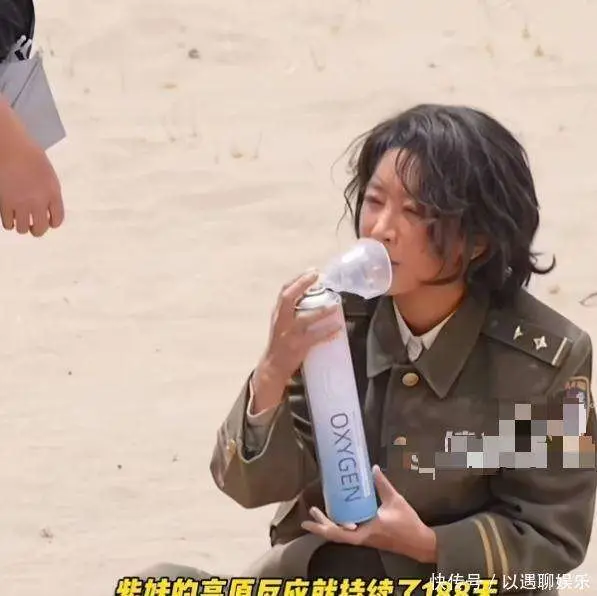
Toward the end of 2025, major official media outlets mentioned Yang Zi three times within four days. Rather than focusing on sensational narratives, the reports highlighted her filming conditions, role challenges, and long-term career choices. On national television, her name appeared prominently during prime-time programming, even preceding veteran actor Hu Ge in the lineup—an arrangement that many viewers interpreted as recognition of her industry standing and professional credibility.

Yang Zi’s journey, however, was never a smooth ascent. As a child actress, she was once bluntly told by a senior that her appearance was unsuitable for acting. That comment, frequently revisited in later years, marked the beginning of a career shaped less by visual advantage and more by persistence. Over time, she built her reputation through consistent performances across genres, from youth dramas to contemporary realism, and more recently, roles that demand greater emotional and physical endurance.
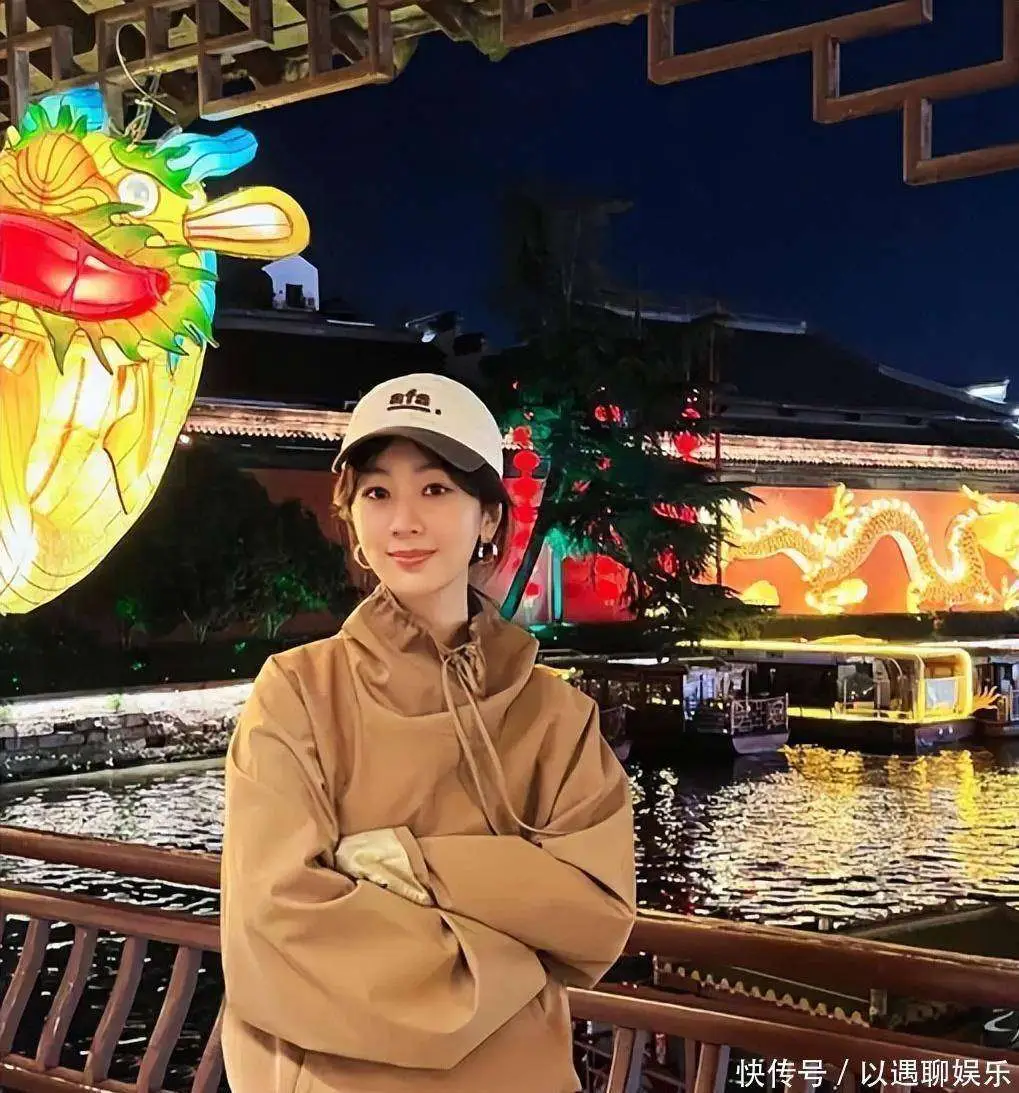
Xiao Zhan once described Yang Zi as “genuine and professional,” a remark that initially drew little attention. In retrospect, it feels increasingly accurate. In an industry where effort is often carefully packaged into marketable personas, Yang Zi’s sense of authenticity shows through in practical details: acknowledging physical limits on set, openly confronting harsh filming conditions, and avoiding overly polished self-narratives. State media portrayals have emphasized this grounded approach, presenting her not as an untouchable star, but as a working actress navigating real constraints.
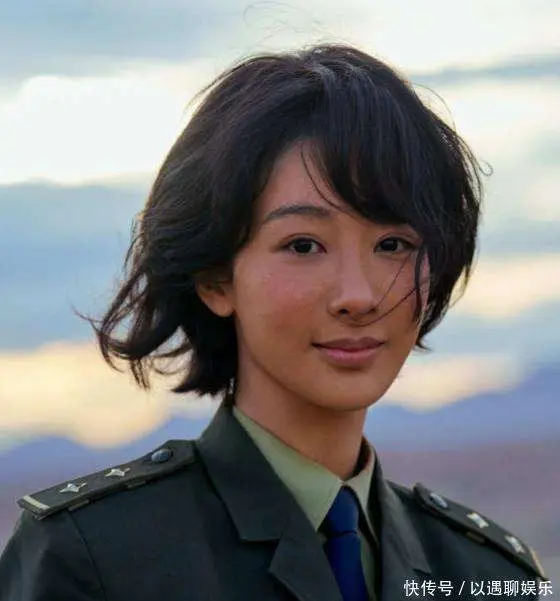
At 33, Yang Zi occupies a critical middle ground in the industry. She is no longer shielded by the novelty of youth, yet she has not reached a stage where selective exposure is an option. Her position demands constant renewal—challenging herself to move upward while resisting the rapid turnover of a competitive market. Official media attention, then, is less about endorsement and more about acknowledging sustained output under pressure.
In this sense, Xiao Zhan’s assessment resonates strongly. Yang Zi’s strength lies not in fleeting moments of brilliance, but in the enduring combination of authenticity and professionalism. In an environment defined by rapid shifts in attention, such qualities may not always dominate headlines, but they tend to last.

