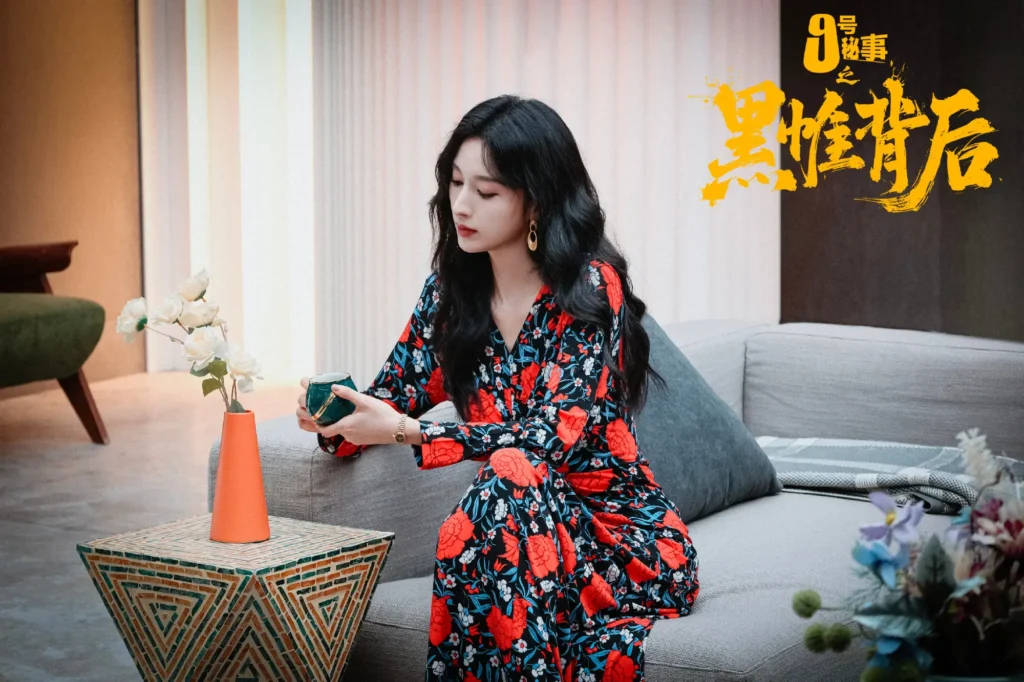
On February 11, the television series 《九号秘事》- “No. 9 Secret,” starring Wei Daxun and Yue Yunpeng, made its debut with three episodes released. The first two episodes form a complete story unit titled “The Room.” Built around a fictional and symbolic setting, the narrative has prompted varied reactions from viewers.

In 《房间》- “The Room,” the character played by Wei Daxun finds himself confined within a constructed space where advancement depends on effort and performance. Each time he moves into a higher-level room, his previous struggle becomes part of the mechanism enabling others to rise. As he gains access to better spaces, he begins influencing those in lower rooms to continue striving, thereby reinforcing his own position. Eventually, he reaches a final and more privileged room, where maintaining status becomes the central concern.
Structurally, the story relies heavily on conceptual storytelling. The segmented rooms function as metaphors, potentially representing hierarchy, competition, and systems of advancement. This symbolic framework creates a clear and easily digestible narrative arc, offering viewers room for interpretation. At the same time, some audiences feel that the simplified structure reduces complex social themes into a single-layer allegory, limiting deeper exploration.
The idea of rule-based progression is not new in contemporary television. Many narratives focus on strategy, ambition, and personal breakthrough within established systems. Such frameworks can be interpreted as reflections on growth and success. However, they may also raise broader questions about whether the focus should remain solely on succeeding within a system, or extend to examining the system itself.
Through its conceptual design, “The Room” invites discussion about hierarchy, choice, and the dynamics of structured environments. While some viewers appreciate its clarity and metaphorical approach, others look for richer philosophical depth. Regardless of perspective, the series demonstrates how abstract narrative techniques continue to shape modern storytelling and audience engagement.

