In recent years, “career transformation” has become a recurring topic for many leading actresses in the Chinese entertainment industry. Balancing commercial popularity with critically recognized “serious dramas” remains a central challenge. With the releases of Yang Zi’s “Life Tree” and Zhao Liying’s “Small Town Affairs,” discussions have resurfaced over whether Dilraba Dilmurat should accelerate her own transition.

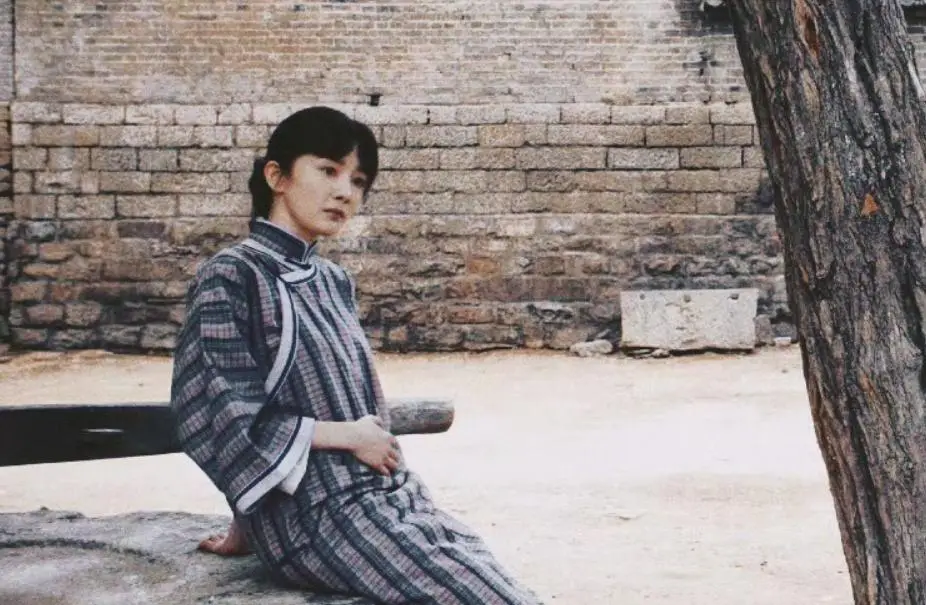
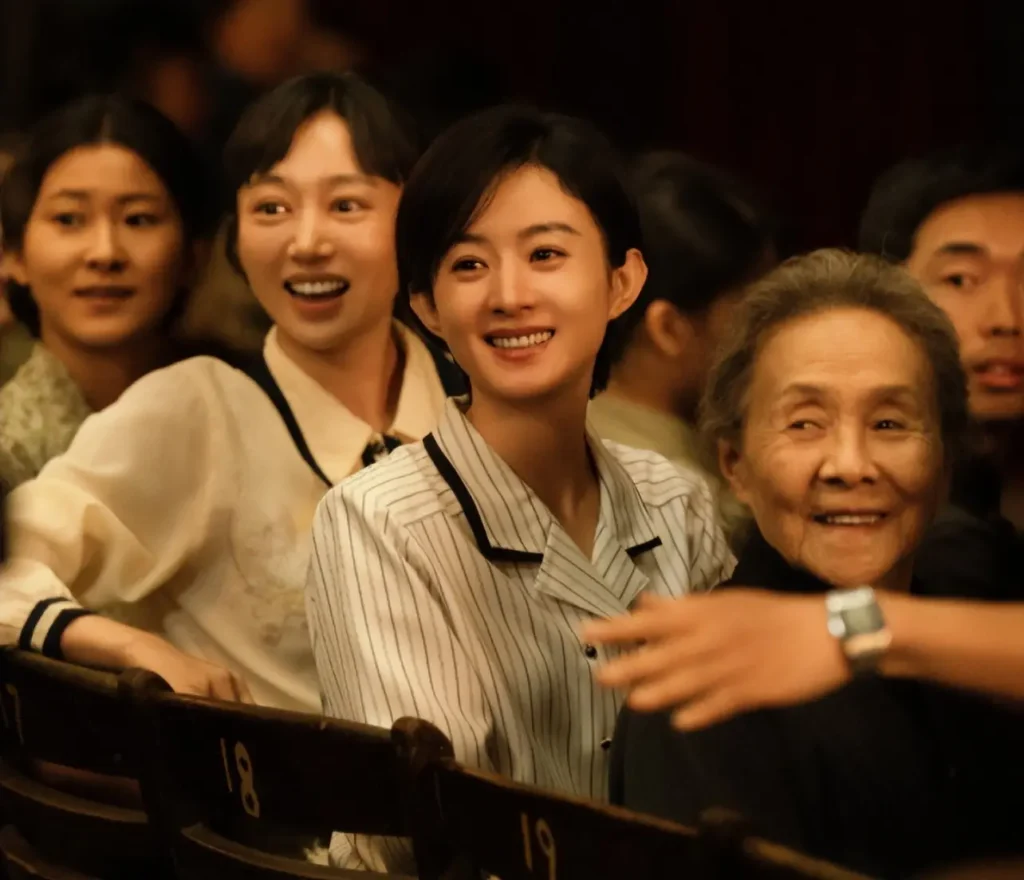
Zhao Liying’s trajectory offers a reference point. After rising to prominence with fantasy hits such as “The Journey of Flower” and “Princess Agents,” she consolidated her mainstream popularity before gradually shifting toward realist projects like “The Story of Xing Fu” and “Wild Bloom.” The latter brought her multiple Best Actress awards, marking a relatively clear transformation milestone.
However, “Small Town Affairs,” despite strong expectations prior to broadcast, did not generate the anticipated level of market impact. Its light-comedy tone softened the weight of its subject matter, resulting in somewhat blurred audience positioning.
Meanwhile, “Life Tree” debuted with ratings exceeding 3 percent and an initial Douban score of 8.1, reflecting positive critical reception. Although it did not become a breakout hit, its realist themes and humanistic perspective were widely acknowledged. In today’s long-drama market, which faces increasing competition from short-form content, sustaining steady quality storytelling is itself noteworthy.

Against this backdrop, Dilraba’s current strategy appears measured. Her 2025 project “Sword and Rose” delivered solid data performance even amid competition from large-scale productions, reaffirming her commercial appeal. Upcoming works such as “White Day Lantern” and “Although You Can’t Have Everything at Once” span costume romance and urban fantasy genres, the latter featuring a dual-role performance that signals willingness to experiment.

Industry patterns suggest that transformation is rarely abrupt. For actors who still command strong popularity, maintaining visibility in commercially viable genres while gradually exploring new thematic territory may represent a more sustainable approach.
Rather than focusing solely on whether she should “transform” immediately, the more relevant question may be how effectively she balances artistic exploration with market positioning. For Dilraba, timing and strategic pacing could prove more decisive than the label of transformation itself.

