Premiering on February 22, 2026, Jianghu Under the Night Rain: A Ten-Year Lantern (《江湖夜雨十年灯》) positions itself as more than a conventional wuxia romance. Across 37 episodes, the series constructs an argument about power, identity, and emotional equality within a world defined by strategy and concealment. Directed by 侣皓吉吉 (Lü Haojiji) and 郭锋 (Guo Feng), and written by 邵思涵 (Shao Sihan), the drama foregrounds psychological confrontation as its primary narrative engine.
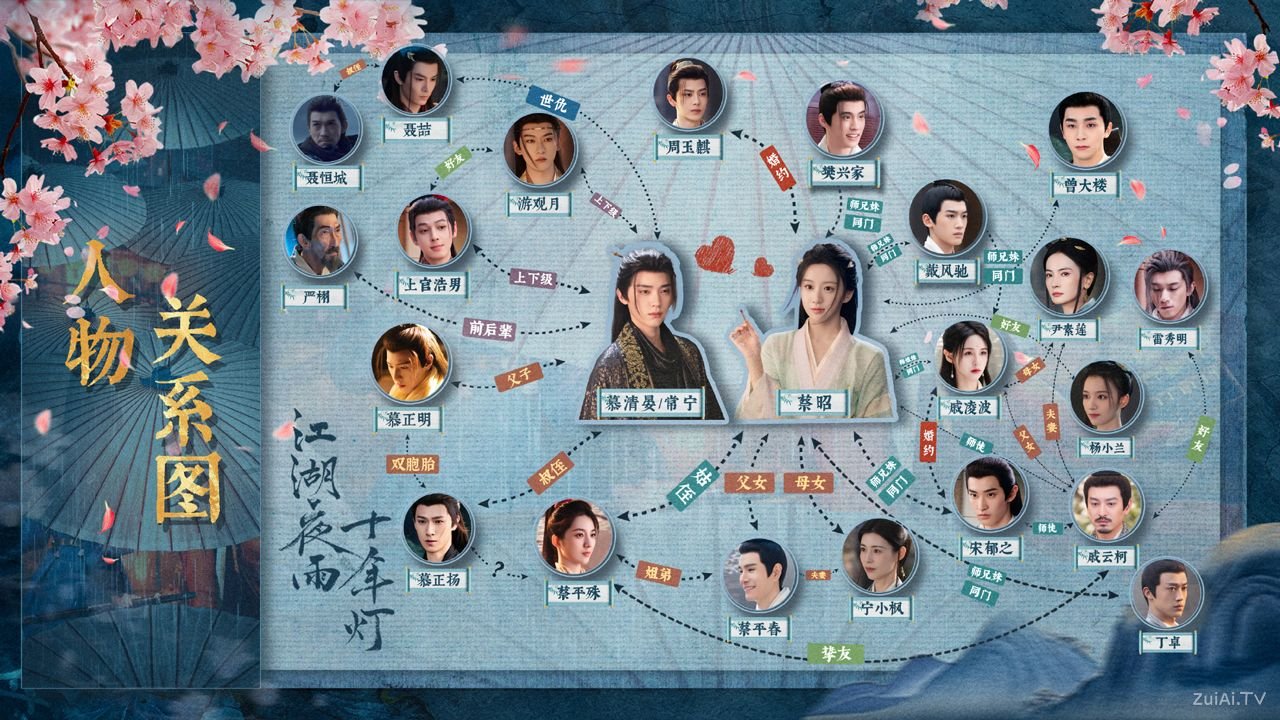
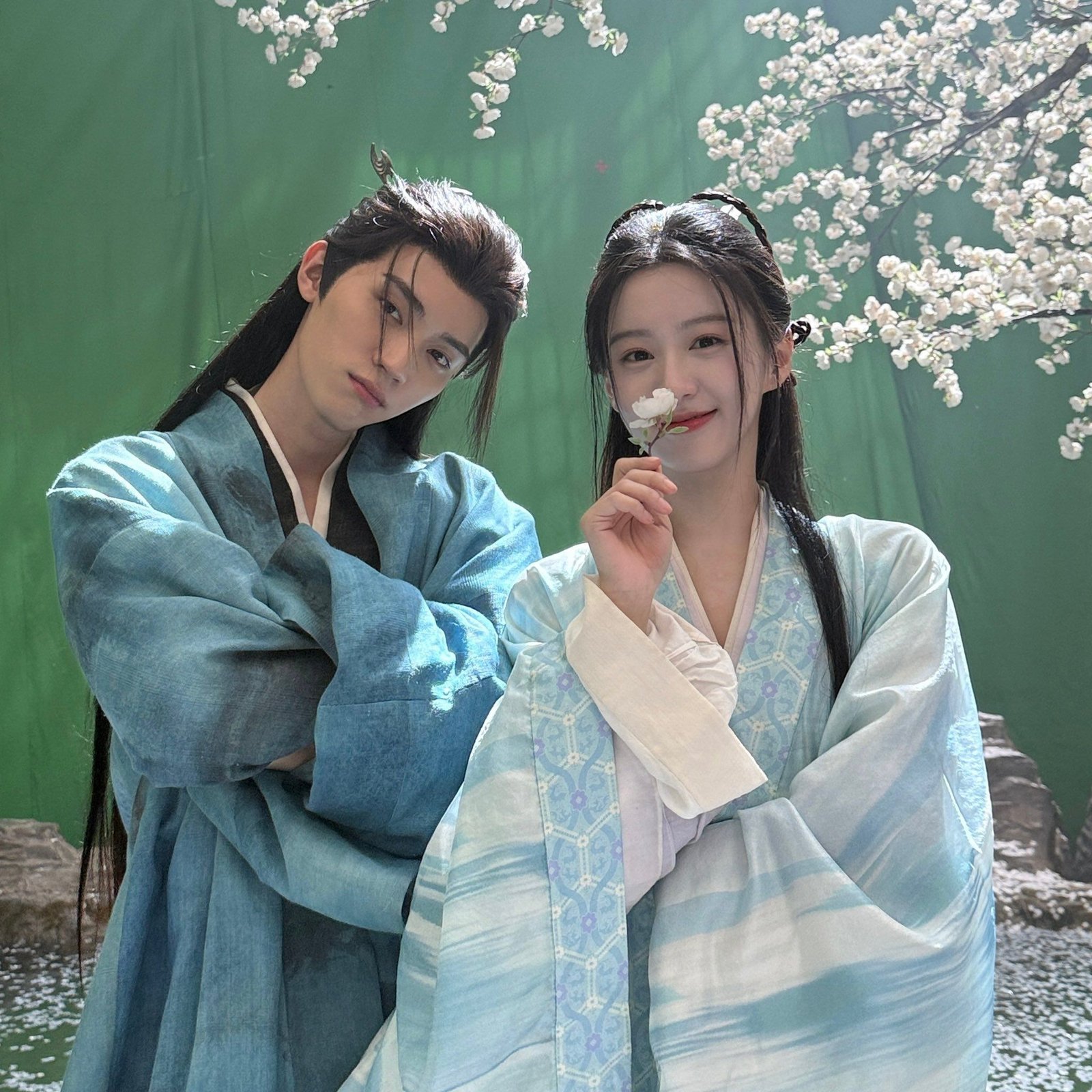
At the center of the story stands Mu Qingyan, portrayed by 周翊然 (Zhou Yiran). Mu Qingyan is introduced as a decisive and calculating young master whose composed exterior conceals tactical ruthlessness. He embodies the archetype of the modern martial hero who survives not through brute force alone, but through foresight and restraint. Opposite him is Cai Zhao, played by 包上恩 (Bao Shangen), a seemingly relaxed and detached heroine whose clarity of judgment and emotional intelligence gradually disrupt Mu Qingyan’s carefully constructed defenses. The drama’s first and most compelling thesis emerges through their dynamic: genuine equality in romance arises from mutual recognition of strength rather than emotional dependency.
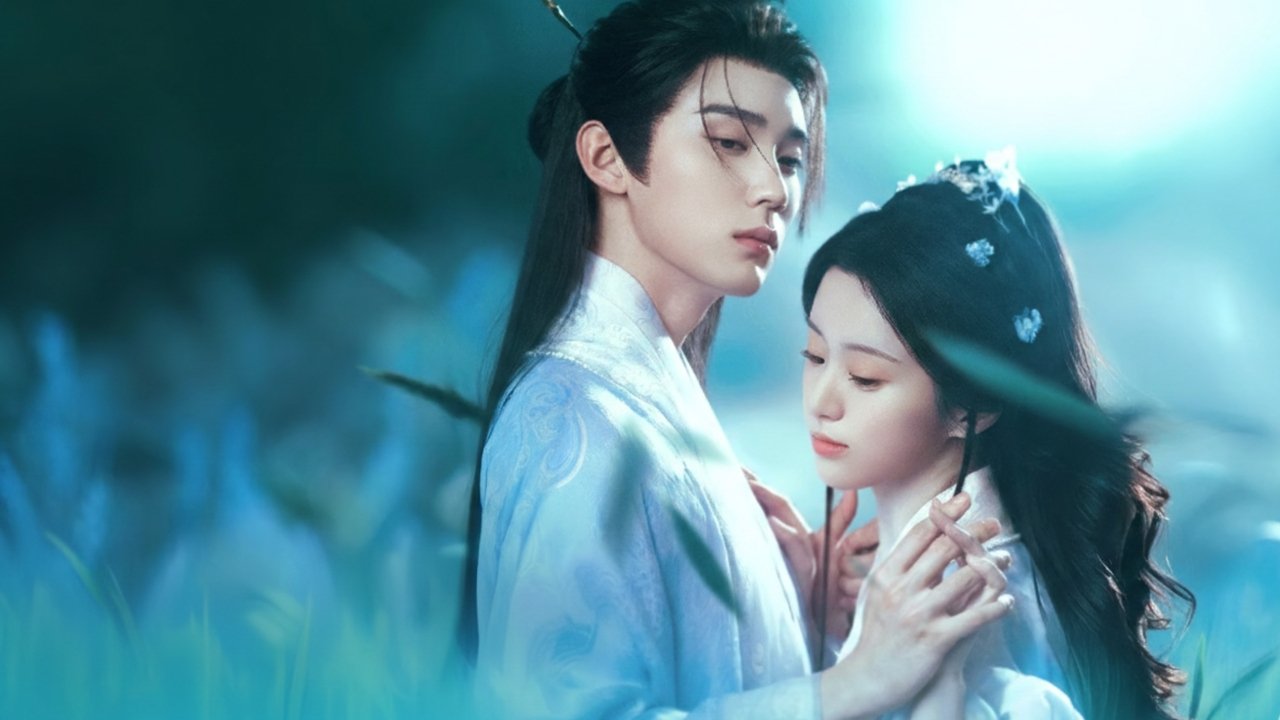
Their relationship unfolds not as a simple transition from hostility to affection, but as a sustained negotiation shaped by suspicion, alliance, ideological divergence, and eventual trust. Each encounter functions like a strategic exchange. Dialogue scenes resemble carefully measured chess moves, where words carry as much weight as swords. In this sense, the series suggests that emotional vulnerability within jianghu is itself a risk comparable to stepping onto a battlefield.
The narrative expands beyond its central pair to present a layered ensemble portrait of martial society. Performances by 余嘉诚 (Yu Jiacheng), 范静祎 (Fan Jingyi), 边天扬 (Bian Tianyang), 段钰 (Duan Yu), 闫玉晨 (Yan Yuchen), 袁文康 (Yuan Wenkang), 李媛 (Li Yuan), 经超 (Jing Chao), 卢杉 (Lu Shan), 车保罗 (Che Baoluo), 赵英博 (Zhao Yingbo), 盛一伦 (Sheng Yilun), 万鹏 (Wan Peng), and 李昀锐 (Li Yunrui) contribute to a complex ecosystem of alliances and rivalries. The series’ second argument takes shape through this ensemble: jianghu is not a stage for solitary heroism, but a dynamic structure in which every personal decision shifts the balance of power. Individual ambition reverberates across factions, and private grievances reshape public order.
A recurring motif throughout the drama is the concept of “masks.” Reputations, titles, and alliances often conceal deeper motivations. The martial world depicted here is less a realm of straightforward valor than a layered political arena. As Mu Qingyan and Cai Zhao peel back successive layers of deception, they confront not only external enemies but also their own constructed identities. The drama thus frames authenticity as a radical act within a system built on performance and survival.
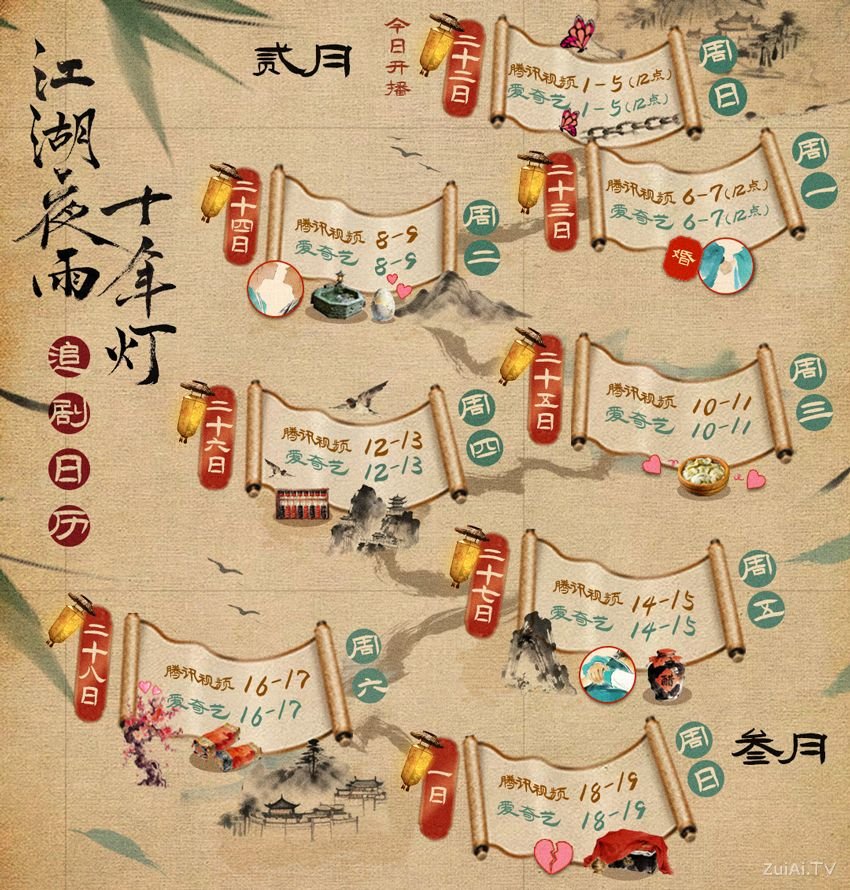
The release calendar reinforces this carefully measured storytelling rhythm. On February 22, 2026, five episodes premiere at 12:00 PM, establishing the world-building framework and core conflicts. On February 23, two additional episodes follow at 12:00 PM. Beginning February 24, two episodes are released daily at 6:00 PM, with the finale expected on March 12, 2026. This structured rollout mirrors the drama’s thematic pacing: revelations unfold gradually, allowing tension to accumulate before each narrative reversal.
Ultimately, Jianghu Under the Night Rain: A Ten-Year Lantern proposes that strength within jianghu is multidimensional. Strategic intelligence, emotional restraint, moral conviction, and the courage to trust coexist in fragile balance. Through its 37-episode arc, the series contends that love forged in adversity is neither accidental nor sentimental; it is the product of sustained confrontation and conscious choice. As night rain falls across the martial world and lanterns flicker against gathering storms, the question that lingers is not merely who will prevail, but who will remain true when every mask has been stripped away.

