In the ever-accelerating ecosystem of Chinese television drama, few arenas are as competitive as the post-90s actress landscape. New faces emerge each year, traffic metrics fluctuate rapidly, and genre cycles evolve with striking speed. Within this environment, sustaining visibility is one challenge; sustaining artistic growth is another entirely. Bai Lu has managed to navigate both. Not classically trained in a major drama academy, yet steadily building a portfolio anchored by leading roles, she represents a distinctive model of career development—one grounded less in explosive reinvention and more in gradual calibration.
Born on September 23, 1994, in Changzhou, Jiangsu Province, Bai Lu entered the entertainment industry through nontraditional channels. She once pursued trainee opportunities and later worked as a model before transitioning fully into acting. Unlike performers shaped within conservatory systems, her early formation was experiential. She learned in front of the camera—through short projects, web dramas, and incremental screen exposure—gradually building a sense of framing, emotional timing, and audience resonance.
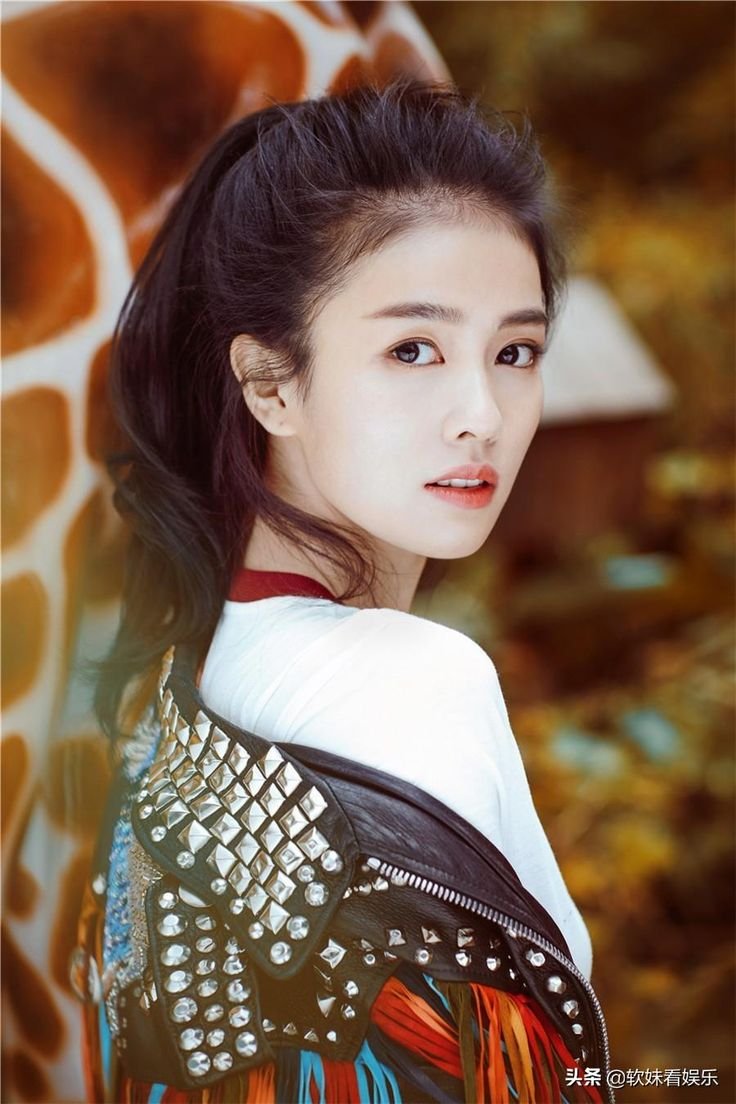
Her early television appearances, including roles in Zhao Ge (朝歌) and Untouchable Lovers (凤囚凰), did not immediately position her as a breakout star, but they laid essential groundwork. In Untouchable Lovers, her portrayal of Huo Xuan offered audiences a glimpse of the cool-toned, restrained presence that would later define parts of her historical repertoire. At that stage, however, she had not yet consolidated a stable screen identity. She was still experimenting—testing tonal ranges, calibrating energy levels, and negotiating between strength and softness.
Establishing the “Costume Female Lead”: The Legends (招摇)
The decisive turning point arrived in 2019 with The Legends (招摇). As Lu Zhaoyao, Bai Lu embodied a character brimming with assertiveness, ambition, and emotional volatility. Unlike the archetypal gentle heroine common in fantasy-romance dramas, Lu Zhaoyao was unapologetically dominant, even abrasive at times. The role demanded rapid oscillation between ferocity and vulnerability, pride and insecurity.
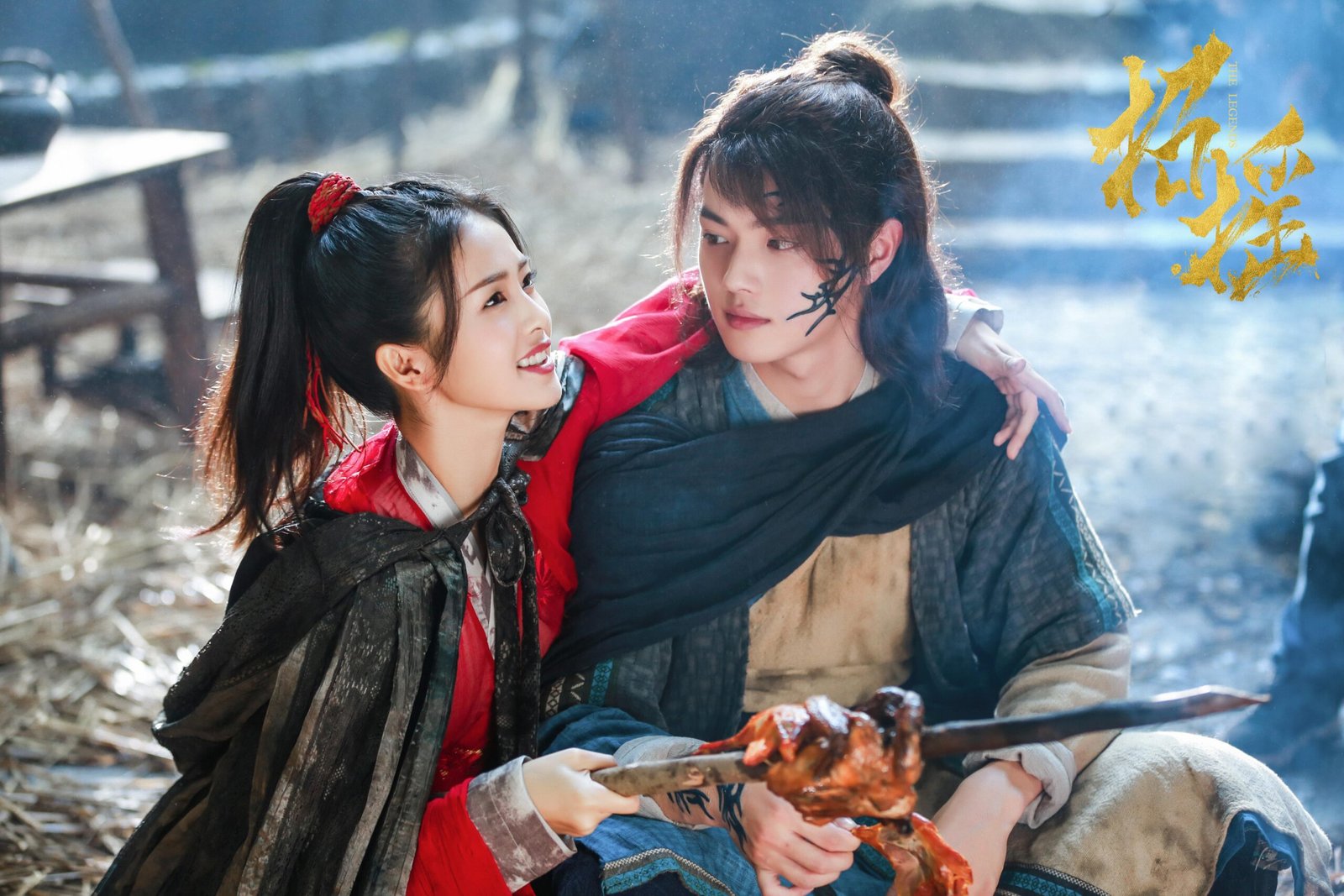
Bai Lu’s performance leaned into expressive immediacy. Her emotional outbursts felt direct rather than stylized, and her chemistry with co-stars generated sustained viewer engagement. Importantly, The Legends established her capacity to anchor a high-profile costume production. From that point forward, she was no longer merely a supporting presence—she had become a central figure capable of carrying narrative weight.
Expanding Genre Flexibility: Arsenal Military Academy (烈火军校)
In the same year, Arsenal Military Academy (烈火军校) further complicated her screen persona. Playing Xie Xiang, a woman disguising herself as a man to enroll in a military academy, Bai Lu entered a performance territory that required measured physical adjustment. Gender-disguise narratives often rely on overt theatricality; instead, she opted for controlled physicality—subtle shifts in posture, speech cadence, and gaze intensity.
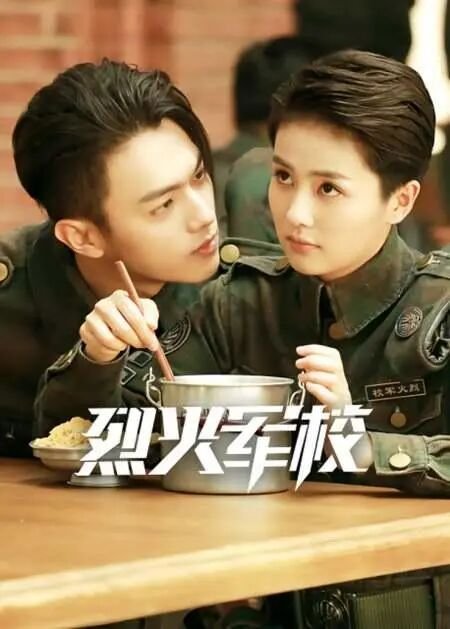
This restraint prevented caricature and reinforced credibility. Rather than exaggerating masculinity, she suggested it, allowing audiences to perceive both the external disguise and internal conflict. The role expanded her dramatic toolkit and demonstrated that she could operate beyond romantic fantasy formulas.
Urban Sweetness with Emotional Undercurrents: Love Is Sweet (半是蜜糖半是伤)
With Love Is Sweet (半是蜜糖半是伤) in 2020, Bai Lu entered the urban romance sphere more decisively. As Jiang Jun, a young professional navigating workplace ambition and romantic entanglement, she softened her performance register. Compared to her costume dramas, her delivery became more conversational, her expressions more grounded in everyday realism.
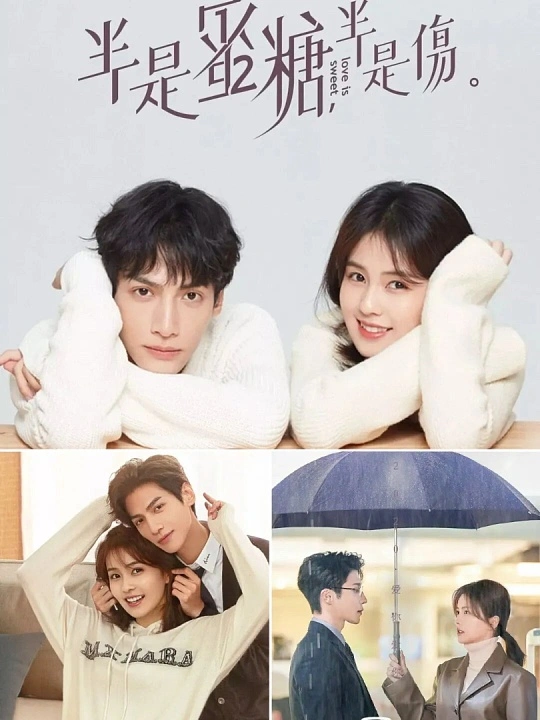
The series amplified her commercial appeal and cemented her viability within the “sweet romance” market. However, it also posed a strategic challenge: how to avoid being confined to the “sweet female lead” archetype. Bai Lu’s subsequent role selections suggest that she was keenly aware of this potential limitation.
Emotional Restraint and Artistic Maturity: One and Only (周生如故) and Forever and Ever (一生一世)
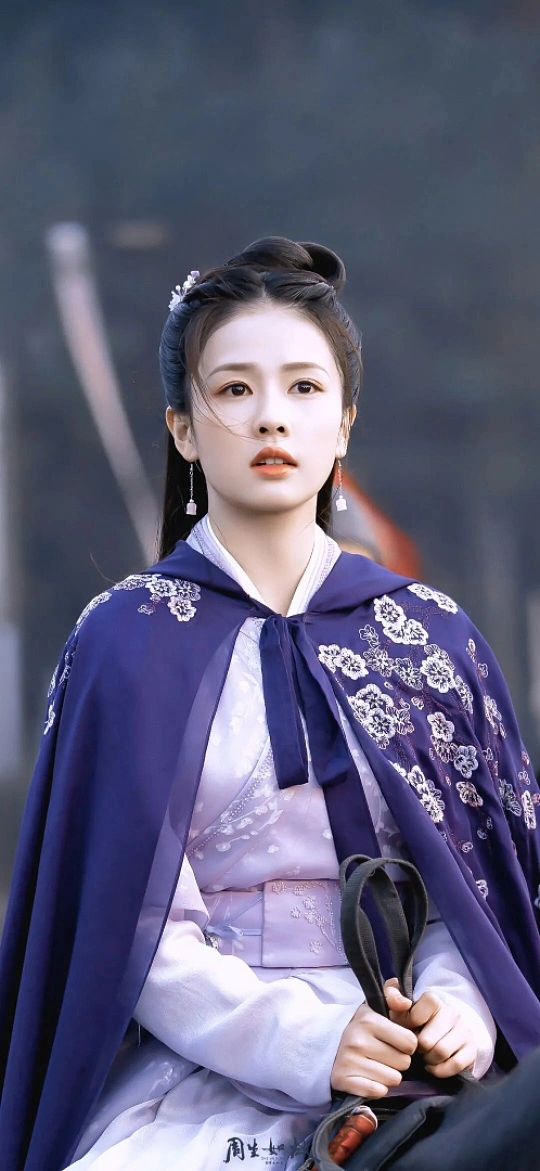
In 2021, Bai Lu’s performance trajectory deepened considerably through One and Only (周生如故). Portraying Shi Yi, she embraced a character defined by repression. The drama’s tonal palette was subdued, and its emotional architecture relied on longing rather than confrontation. This required not grand gestures, but calibrated silence.
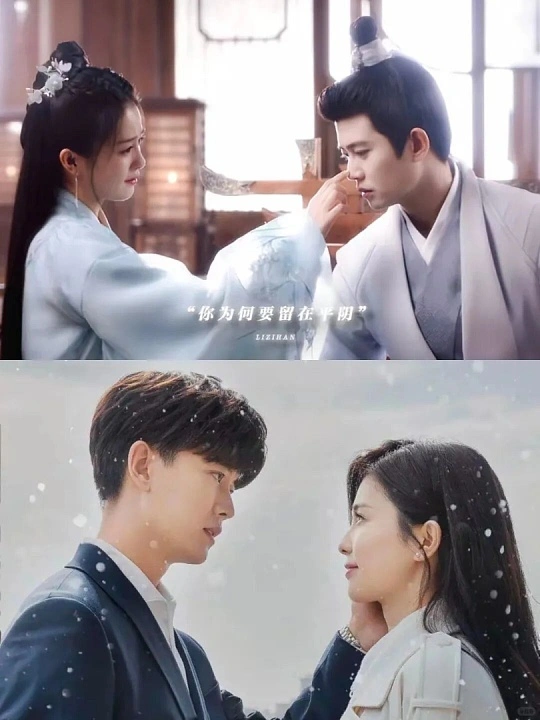
Bai Lu minimized overt physical expressiveness and channeled emotion through micro-expressions and breath control. Her farewell scenes resonated precisely because they resisted melodramatic excess. Grief, in this portrayal, accumulated quietly. Many viewers and critics alike recognized this as a moment of artistic stabilization—a shift from emotive intensity to controlled articulation.
In the modern sequel Forever and Ever (一生一世), she reinterpreted the same soul within a contemporary context. The contrast between the historical and modern Shi Yi allowed her to demonstrate continuity without redundancy. It underscored a growing sophistication in character evolution.
High-Intensity Fantasy and Market Pressure: Till The End of The Moon (长月烬明)
The 2023 fantasy epic Till The End of The Moon (长月烬明) reasserted Bai Lu’s presence within large-scale costume productions. Playing Li Susu and Ye Xiwu, she navigated layered identities across shifting timelines. The role demanded sustained emotional stamina—oscillating between tenderness, anguish, fury, and despair.
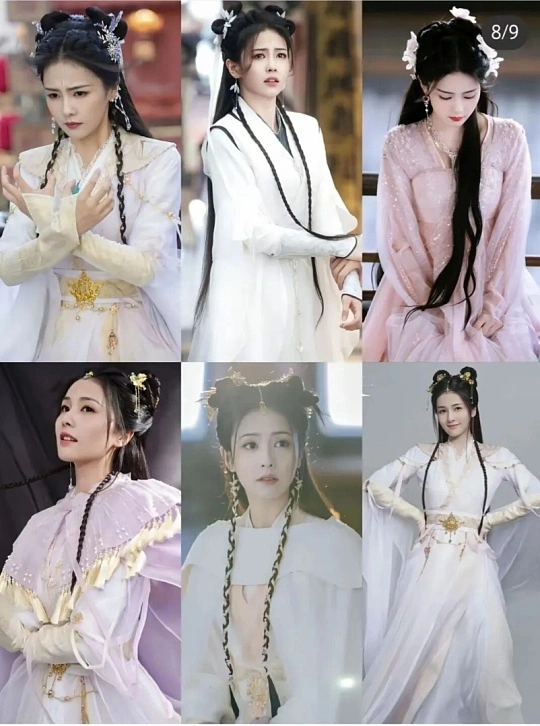
Here, her earlier strengths—emotional projection and expressive eyes—were fully mobilized. Yet she also demonstrated improved structural control, ensuring that emotional peaks aligned with narrative pacing rather than overwhelming it. The drama reinforced her bankability in the costume genre and sparked renewed discussion about her “drama-carrying capacity.”
Psychological Strategy and Power Dynamics: Story of Kunning Palace (宁安如梦)
In Story of Kunning Palace (宁安如梦), Bai Lu portrayed Jiang Xuening, a woman navigating rebirth, political intrigue, and moral reckoning. Unlike Lu Zhaoyao’s overt assertiveness, Jiang Xuening operates through calculation. The performance required modulation rather than explosion.
Bai Lu leaned into layered ambiguity. Instead of foregrounding emotion, she embedded it within strategic silence. The result signaled further maturation: a move toward psychological nuance over surface dynamism.
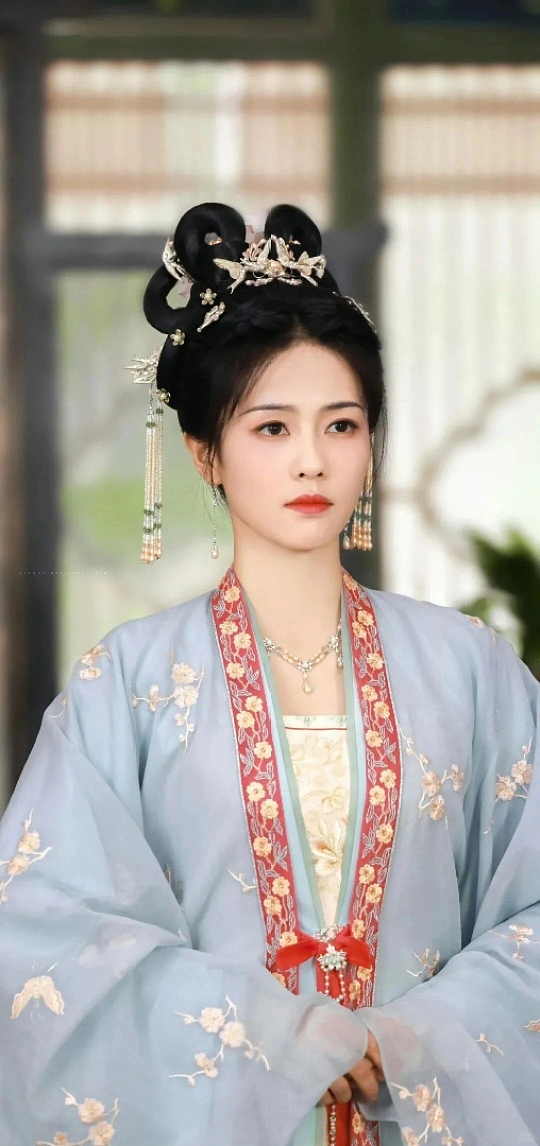
A Recent Shift Toward Investigative Narrative: Tang Gong Qi An (唐宫奇案)
More recently, Tang Gong Qi An (唐宫奇案) marks another significant pivot. Set in the Tang dynasty and structured around mystery and case-solving elements, the series departs from romance-driven storytelling. Here, Bai Lu’s role functions within an investigative framework where logic, deduction, and narrative momentum are central.
In such a format, emotional expression must support plot clarity rather than dominate it. Bai Lu adjusts accordingly. Her delivery becomes measured, her reactions purposeful. Instead of building scenes around emotional crescendo, she participates in unfolding puzzle mechanics. This evolution—from emotion-led to structure-led performance—signals an actor consciously expanding range.
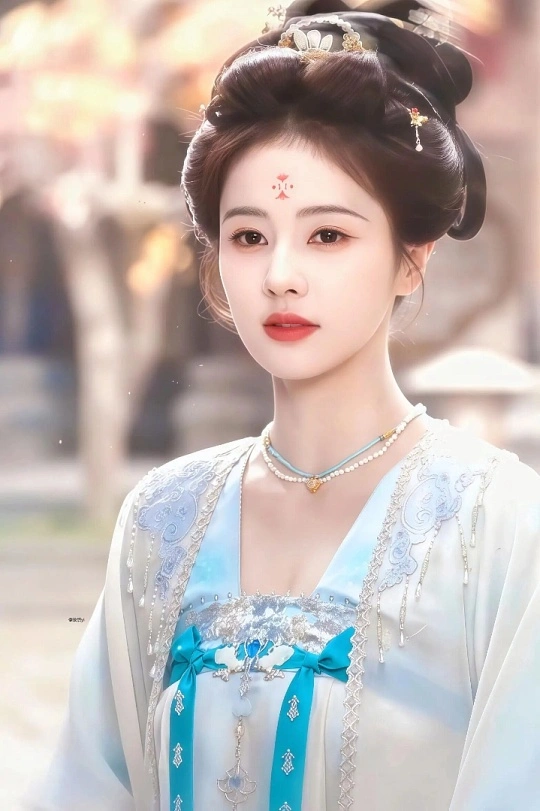
From a career perspective, Tang Gong Qi An is meaningful for two reasons. First, it diversifies her historical repertoire beyond romance and xianxia into mystery-political territory. Second, it positions her within ensemble-driven narrative architecture, reducing reliance on romantic chemistry as the sole engine of engagement.
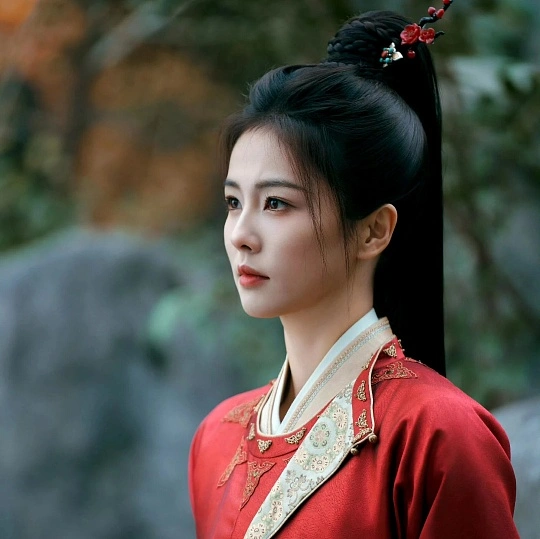
Position Within the Post-90s Actress Landscape
Among actresses born in the 1990s, differentiation often hinges on specialization: some dominate modern urban dramas, others focus on experimental art-house projects, and still others consolidate fantasy franchises. Bai Lu’s defining feature is consistency across high-visibility genres.
She is not necessarily the most avant-garde performer of her generation, nor the most institutionally decorated. Instead, her strength lies in sustained output and adaptive calibration. She maintains commercial viability without stagnating entirely within one tonal register.
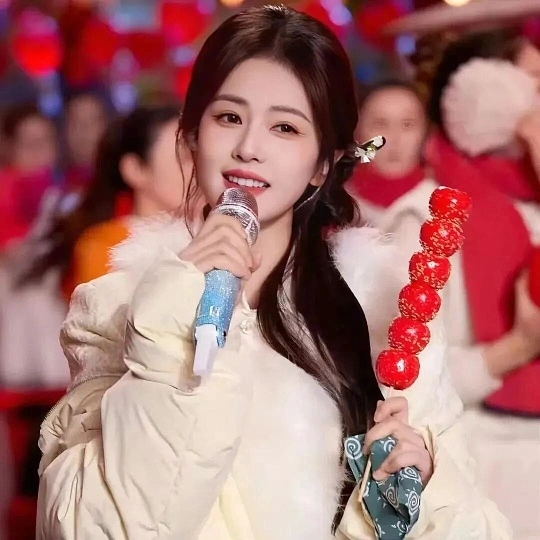
Her screen persona combines emotional accessibility with an undercurrent of firmness. She can embody sweetness without fragility, strength without coldness. In variety programs, her natural humor and candid demeanor enhance audience relatability, yet this accessibility coexists with a steadily professionalized acting rhythm.
Performance Characteristics and Future Possibilities
Analyzing her craft reveals several identifiable traits: expressive ocular focus, relatively clean emotional arcs, strong romantic chemistry generation, and improving restraint in high-intensity scenes. Earlier works leaned heavily on immediate emotional release; later performances demonstrate greater confidence in silence.
Looking ahead, the question is not whether Bai Lu can sustain costume drama prominence—she already has—but whether she will pursue deeper forays into contemporary realism or socially grounded narratives. Having consolidated a solid commercial base, she now occupies a strategic position from which risk-taking becomes more feasible.
Conclusion: A Model of Gradual Consolidation
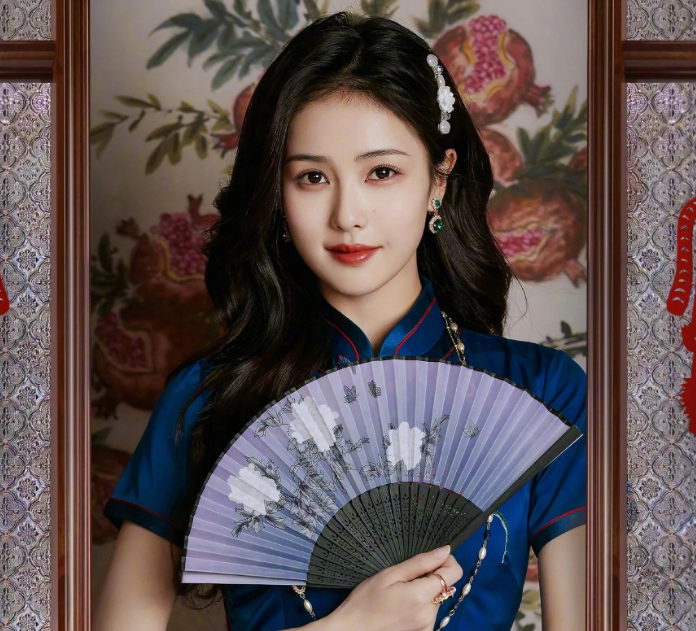
Bai Lu’s ascent is not defined by abrupt reinvention, but by incremental layering. Each major project—from The Legends to Tang Gong Qi An—adds dimension rather than replacing identity. In an era that often rewards instant spectacle, her steadier trajectory stands out.
Within the post-90s actress cohort, she occupies a distinctive space: commercially reliable, emotionally expressive, and increasingly structurally aware. Her career thus far suggests a performer attentive not only to visibility, but to sustainability. And in an industry shaped by volatility, sustainability may ultimately prove the most valuable asset of all.

