As International Women’s Day continues to evolve beyond commercialized greetings and symbolic celebrations, messages from public figures this year have reflected a broader and more thoughtful perspective. Instead of repeating conventional phrases or focusing on material gestures, voices from the entertainment industry, sports world, and public sphere have emphasized themes such as self-respect, resilience, and the pursuit of personal aspirations. Actress Zhang Ruonan, table tennis world champion Sun Yingsha, and public figures including Donnie Yen and Zhang Kaili each delivered messages that resonated with different aspects of women’s experiences.
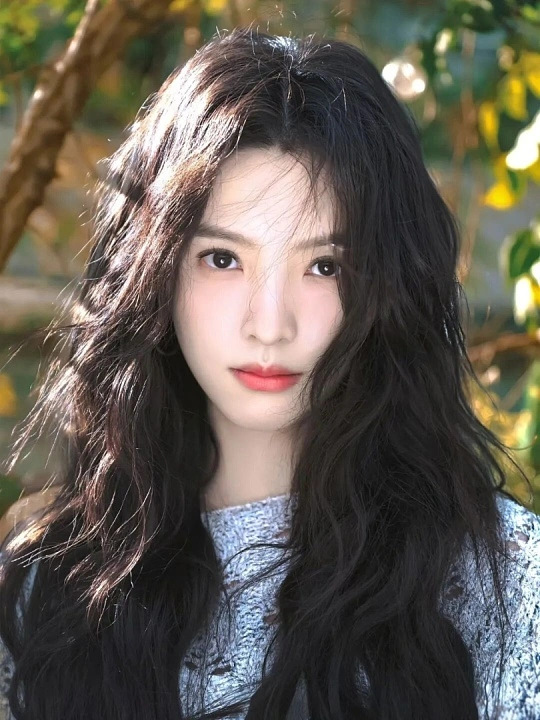
Zhang Ruonan’s message centered on the idea of “treating oneself with gentleness and living with composure.” Her words shifted the focus away from external praise and toward personal well-being and emotional balance. In a social environment where many women juggle multiple roles across professional and personal life, this emphasis on self-care resonated with audiences who often face pressures related to work performance, family responsibilities, and social expectations. Rather than offering a symbolic greeting, the message highlighted the importance of acknowledging one’s own needs and maintaining inner stability amid a demanding pace of life.
In contrast, Sun Yingsha’s message represented a more outward-looking perspective focused on action and determination. As a world champion born in the 2000s generation, she appeared in a short segment released by CCTV News encouraging women to pursue their dreams with courage. Her words were closely tied to her own athletic journey, shaped by years of intense training and competitive achievements. Because of this context, her encouragement to “chase dreams bravely” carried particular weight, reflecting both personal experience and the broader spirit of perseverance often associated with professional sports.
During China’s annual political sessions, additional messages emerged from the public affairs sphere. Donnie Yen, serving as a member of the Chinese People’s Political Consultative Conference, extended wishes for women’s health and happiness. Actress Zhang Kaili, also participating in public discussions, offered a concise yet direct message encouraging women to care for themselves and value their own lives. At the same time, table tennis coach Liu Guoliang highlighted the importance of health and family well-being, adding another perspective on how women’s lives and contributions can be understood beyond a single dimension.
Taken together, these voices from entertainment, sports, and public institutions illustrate a shift in how Women’s Day messages are framed. Rather than focusing solely on celebratory symbolism, many public figures have chosen to highlight the real experiences, choices, and aspirations of women in contemporary society. The result is a broader conversation that extends beyond festive greetings to include reflection on women’s roles, ambitions, and well-being.
In this context, International Women’s Day becomes more than a moment of celebration. It serves as an opportunity for a wider public dialogue about women’s strength and individuality. Through the convergence of voices from different sectors, the meaning of the holiday continues to expand, reflecting evolving social awareness and a growing recognition of women’s diverse contributions.

