Actor Kim Soo Hyun is currently involved in an ongoing legal dispute with a cosmetics company, with the court indicating that a final decision may depend on the outcome of another related case.
On March 13 KST, the 22nd Civil Division of the Seoul Central District Court held the second hearing concerning the dispute between Kim Soo Hyun and a cosmetics brand identified as “A.” The case centers on allegations that the actor violated his advertising model contract.
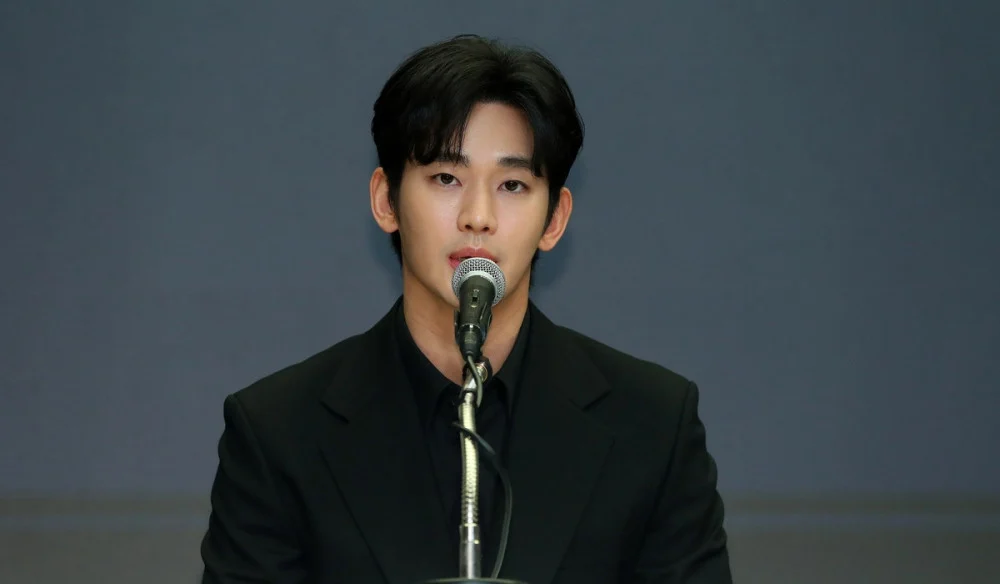
Previously, the cosmetics brand filed a lawsuit against Kim Soo Hyun and his agency, claiming damages totaling 2.8 billion KRW (approximately 1.9 million USD). According to the brand, the damages were incurred after a scandal involving Kim Soo Hyun, which it claims affected the value of the endorsement contract.
During the hearing, the court also asked whether there had been any progress in another lawsuit filed by Kim Soo Hyun against the controversial YouTube channel Garo Sero Institute and its host Kim Se Eui. The actor’s legal representative stated that no final ruling had yet been made, but a decision is expected soon.
The legal team representing Kim Soo Hyun again denied allegations that the actor had dated fellow actress Kim Sae Ron while she was still a minor. According to the lawyers, the claims were part of false rumors spread by Garo Sero Institute.
The cosmetics brand had initially argued that it suffered major financial losses because Kim Soo Hyun allegedly failed to maintain the “dignity expected of a public figure” due to the rumored relationship with Kim Sae Ron.
However, Kim Soo Hyun’s legal representative emphasized that the advertising contract cannot be terminated based on unverified accusations. They stated that the final calculation of any damages would only be possible once the court reaches a decision in the separate lawsuit regarding the alleged rumors.
Meanwhile, Kim Soo Hyun’s endorsement contract with the cosmetics brand was originally scheduled to run until August 2025. The controversy at the center of the dispute reportedly emerged in March, roughly five months before the contract’s planned expiration.

