Chinese actress Song Yi recently sparked widespread discussion after releasing a series of medieval-inspired photos that quickly circulated across social media. The visual concept, which combines Western retro elements with her distinctive Eastern features, has drawn both praise and debate among viewers. For many observers, the images demonstrate how cross-cultural aesthetics can create unexpected visual appeal, while others question whether such styling truly aligns with the image of an Eastern actress.
In the photos, Song Yi appears in ornate gowns accompanied by vintage accessories and a carefully constructed atmosphere reminiscent of classical European oil paintings. The gilded tones, elaborate fabrics, and dramatic lighting create an aristocratic visual language often associated with medieval-inspired fashion. Against this backdrop, her calm expression and refined posture contribute to a composed and elegant presence, allowing the styling to appear striking rather than overwhelming.
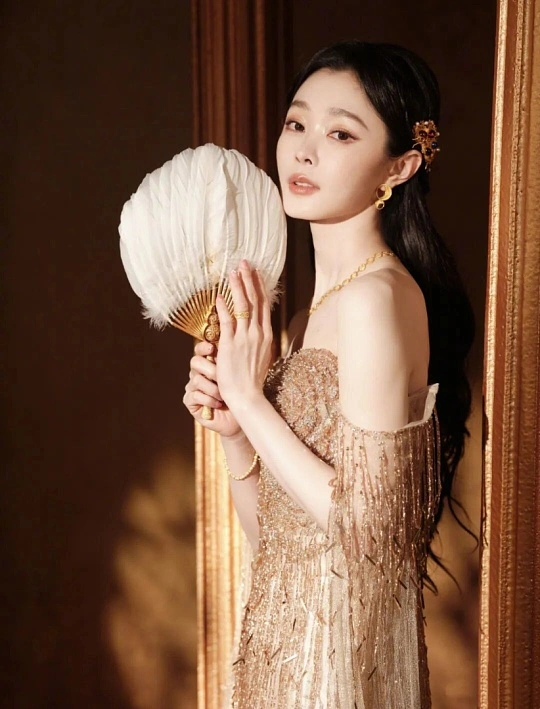
The choice of such a style stands out within China’s entertainment industry, where many actresses currently gravitate toward minimalist red-carpet aesthetics or contemporary reinterpretations of traditional Chinese fashion. By contrast, Song Yi’s medieval-inspired look presents a different direction, placing Western historical imagery at the center of the visual narrative. The result is a stylistic collision between Eastern facial features and Western retro fashion that has become a focal point of discussion online.
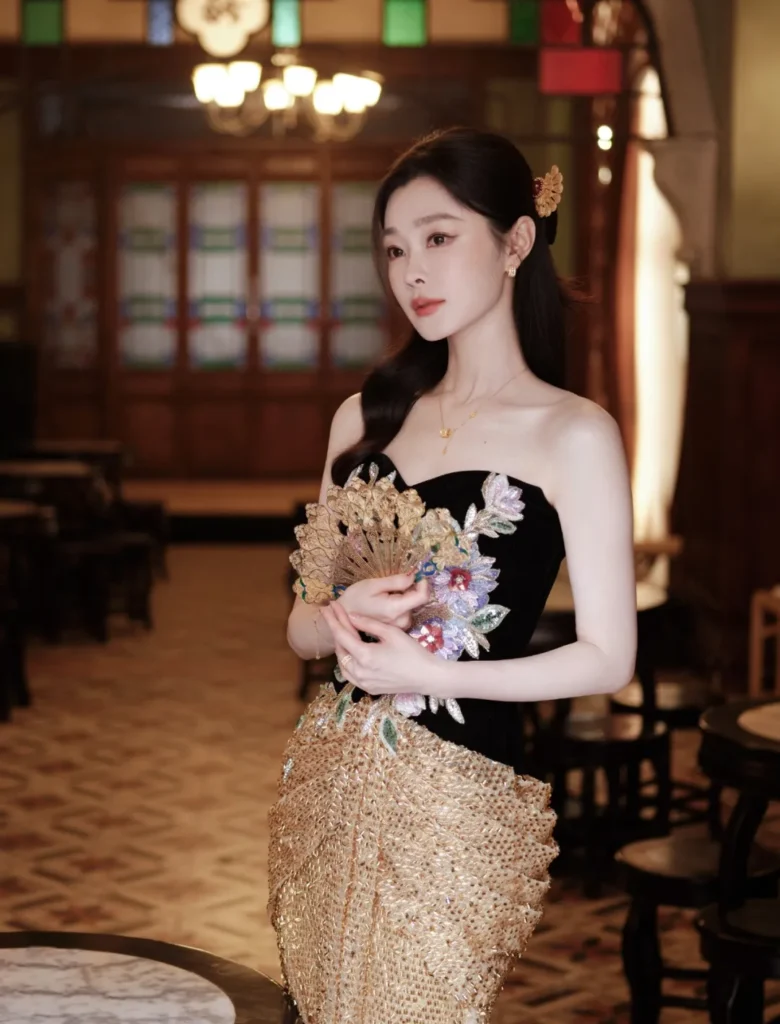
Public reactions to the photos have been mixed. Some viewers argue that actresses with Eastern features are often better suited to styles rooted in Chinese cultural aesthetics, suggesting that placing them within a medieval European framework can appear somewhat unconventional. Others, however, believe Song Yi’s delicate bone structure and restrained elegance complement the aristocratic retro style, creating a visually distinctive fusion that feels fresh within the current fashion landscape.
From a fashion perspective, cross-cultural experimentation has become increasingly common in recent years. Stylists and creative teams frequently explore combinations of Eastern and Western aesthetics in search of new visual identities. Yet not every attempt achieves broad recognition. In many cases, performers who adopt Western retro styles either appear overly imitative or lose their personal visual character within elaborate styling.
What distinguishes Song Yi in this context is her ability to retain a sense of balance between styling and personal presence. Rather than relying on heavy makeup or exaggerated expressions, she maintains a composed and understated demeanor. This restrained approach allows the costume and setting to evoke historical imagery while her natural elegance anchors the overall visual tone.
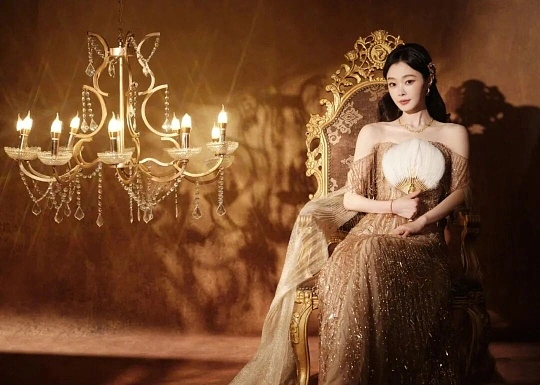
The discussion surrounding the photos therefore extends beyond a single fashion shoot. It also reflects broader questions about how contemporary celebrities navigate global aesthetics and cultural symbolism in visual media. Supporters argue that fashion should not be limited by geographic or cultural boundaries, while critics emphasize the importance of cultural context when interpreting historical styles.
Ultimately, the attention generated by Song Yi’s medieval-inspired photos illustrates how a distinctive visual concept can quickly become a subject of debate in today’s digital media environment. Whether interpreted as an artistic exploration or a controversial stylistic choice, the images have once again placed Song Yi at the center of conversation within China’s entertainment and fashion circles.

