Discussions comparing the careers of Johnny Huang and Bai Jingting frequently emerge among drama viewers, particularly regarding their access to resources and current standing in the industry. While both actors remain active and visible, their professional trajectories have gradually developed in different directions.
In terms of project resources and creative flexibility, Bai Jingting is often seen as having a broader advantage. His acting choices are not tied to a single genre or character type, allowing him to appear in a wide range of productions, from romance and urban dramas to suspense and genre-driven projects. In addition, Bai Jingting has established his own company and participates in projects as an investor, giving him greater influence over project selection and production decisions.
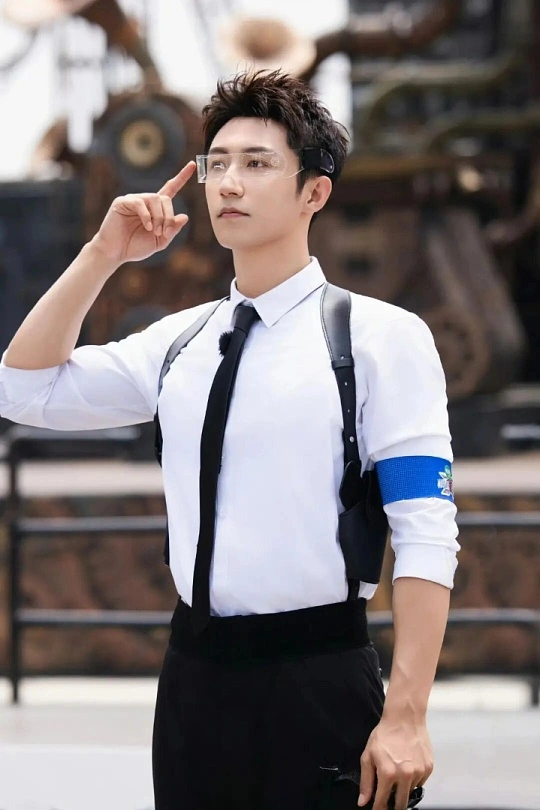
By contrast, Johnny Huang has built a recognizable screen image centered on physically strong and disciplined characters. Over time, this image has led many productions to approach him primarily for roles involving soldiers, police officers, or other uniformed professionals. While this typecasting reinforces his reputation for portraying tough and grounded characters, it also narrows the range of roles typically offered to him.
Recent projects illustrate this difference in direction. In 2026, Johnny Huang appeared in the period drama Time of Affection (岁月有情时), where he played Zhang Xiaoman, a rebellious young man who gradually matures into a responsible adult. The character continued the actor’s familiar style of realistic and resilient roles. At the same time, Johnny Huang also participated in the film Pegasus 3 (飞驰人生3), maintaining a steady presence in both television and cinema.
Meanwhile, Bai Jingting has focused more on urban and genre-based productions. Following the attention received by the romance drama The First Frost (难哄) in 2025, he continued to maintain strong visibility through projects such as the suspense series Mobius (莫比乌斯). Beyond acting, Bai Jingting frequently appears at film industry events and fashion gatherings, reinforcing an image that aligns with contemporary urban youth and diverse character types.
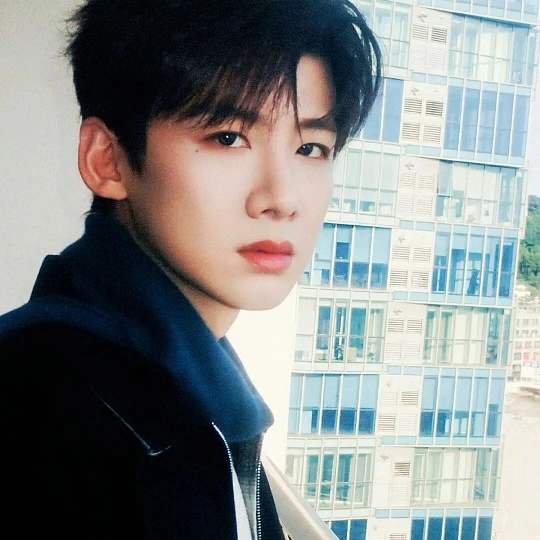
Overall, the two actors represent distinct development strategies. Johnny Huang continues to capitalize on his strong screen presence and realistic roles, particularly within action-oriented or uniformed character narratives. Bai Jingting, on the other hand, benefits from greater variety in project selection and a more diversified public image, which contributes to his broader resource network and sustained popularity across multiple genres.

