In the Chinese entertainment industry, actresses such as Wan Peng, Ding Xiaoying, and Jiang Peiyao are often recognized for their standout appearance—faces that would easily draw attention in everyday life. Yet, despite these advantages, their careers have progressed at a relatively steady but unremarkable pace. This phenomenon is not unusual within the industry and reflects a combination of structural and individual factors.
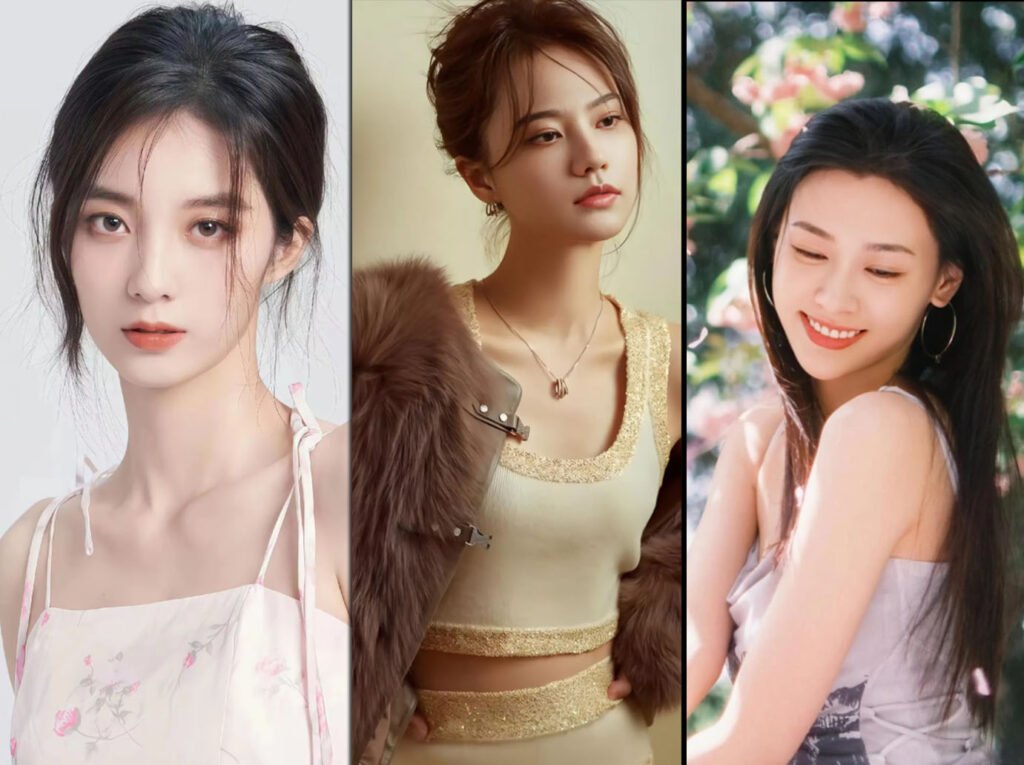
First, physical attractiveness is no longer a scarce asset in the film and television landscape. The industry is saturated with high-visual performers, making it difficult for any single actress to rely solely on appearance as a defining advantage. While Wan Peng, Ding Xiaoying, and Jiang Peiyao are undoubtedly visually appealing, they have yet to establish a highly distinctive or irreplaceable on-screen identity, often being grouped into the category of “interchangeable young actresses.”
Another key factor lies in the lack of memorable roles. Audience recognition in today’s competitive market is largely driven by standout characters rather than general familiarity. Although these actresses have participated in multiple projects, none has secured a widely recognized breakout role that immediately anchors their public image. As a result, viewers may find them “familiar” without being able to associate them with a defining performance.
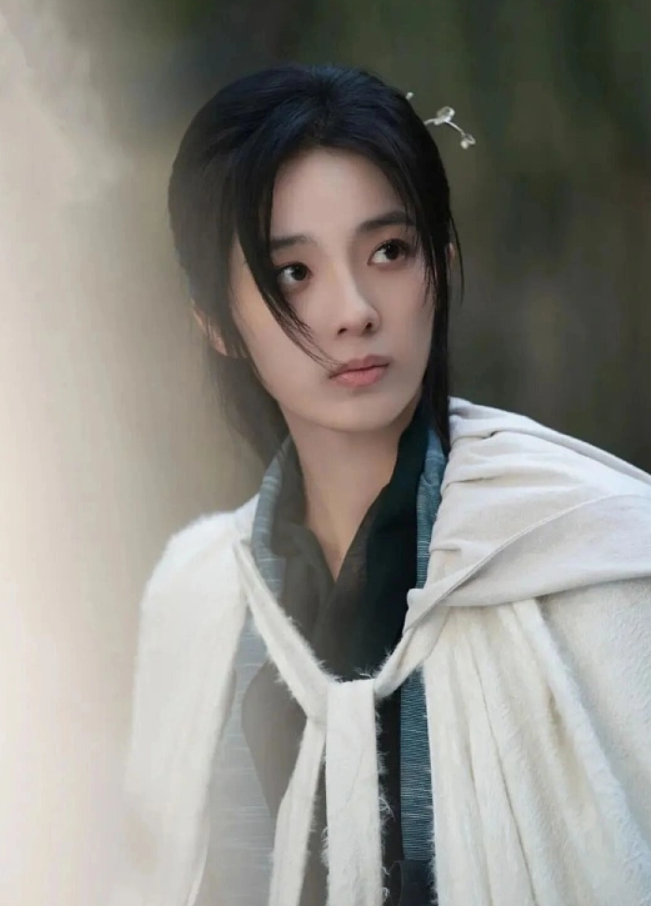
Project selection and resource alignment also play a crucial role. Early in their careers, many actresses are cast in youth dramas, romantic series, or supporting roles—genres that provide consistent exposure but limited upward mobility. Without a timely transition into more complex or high-impact projects, it becomes difficult to elevate industry standing, leading to a plateau where opportunities are steady but transformative growth remains elusive.
The unpredictable nature of the entertainment market further complicates this trajectory. A single hit drama can significantly reshape an actor’s career, but such opportunities are often influenced by timing and circumstance. While Wan Peng, Ding Xiaoying, and Jiang Peiyao have maintained a consistent output of work, the absence of a true breakout success has slowed their momentum.
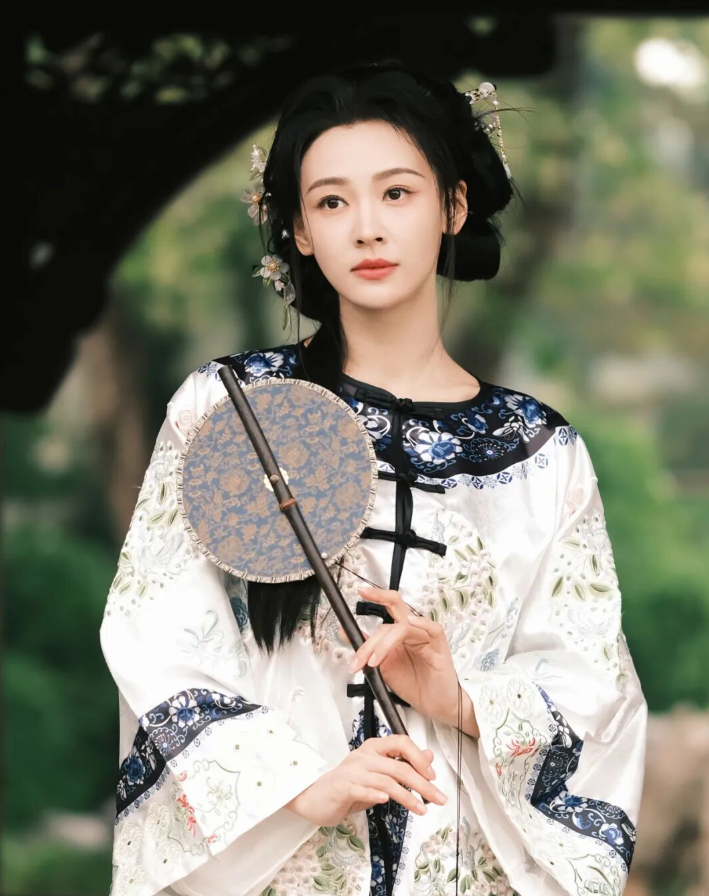
In addition, the lack of a clearly defined personal style or career direction can dilute audience perception. Shifting between different genres—such as sweet romance, urban drama, or literary narratives—without establishing a stable screen identity may hinder both audience recall and industry positioning. A clear and consistent “type” often helps actors secure more targeted and higher-quality opportunities.
Finally, it is important to recognize the intensity of competition faced by actresses. Factors such as age, market trends, and platform-driven resource allocation all influence career trajectories. In such an environment, appearance alone is insufficient; sustained growth requires a combination of strong performances, strategic positioning, and favorable timing.
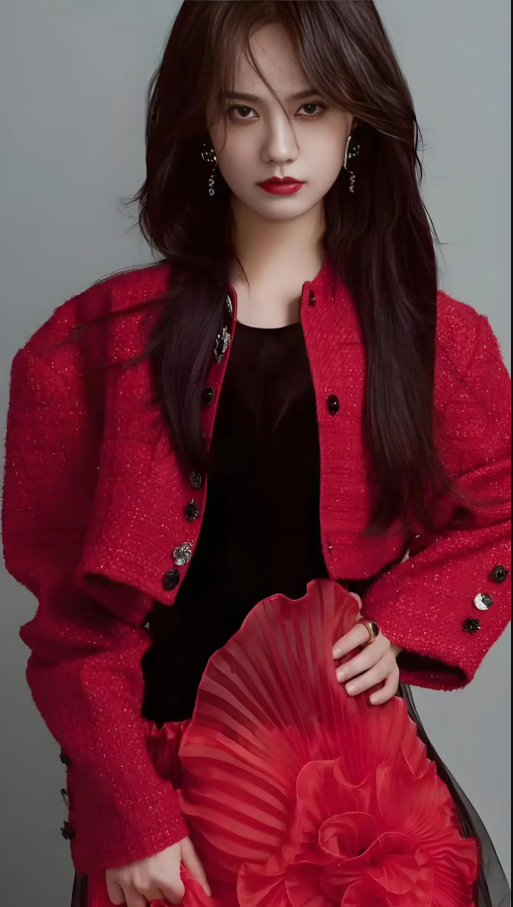
Ultimately, the challenge for actresses like Wan Peng, Ding Xiaoying, and Jiang Peiyao is not a lack of beauty, but a lack of distinctiveness. In today’s market, long-term success is more often determined by a combination of defining roles, clear positioning, consistent output, and opportunity—rather than appearance alone.

