Recent candid photos of Moka Fang have circulated widely online, drawing renewed attention to the contrast between curated online images and real-life appearances. The discussion quickly gained traction, particularly around perceptions of her height and overall presence in unedited visuals.
As the wife of Aaron Kwok, Moka Fang has built a notable following through her personal social media platforms. Leveraging this visibility, she has engaged in various brand collaborations, maintaining a steady stream of commercial activity. However, as advertising content increased, some observers noted a gradual decline in audience engagement, with a portion of followers choosing to disengage.
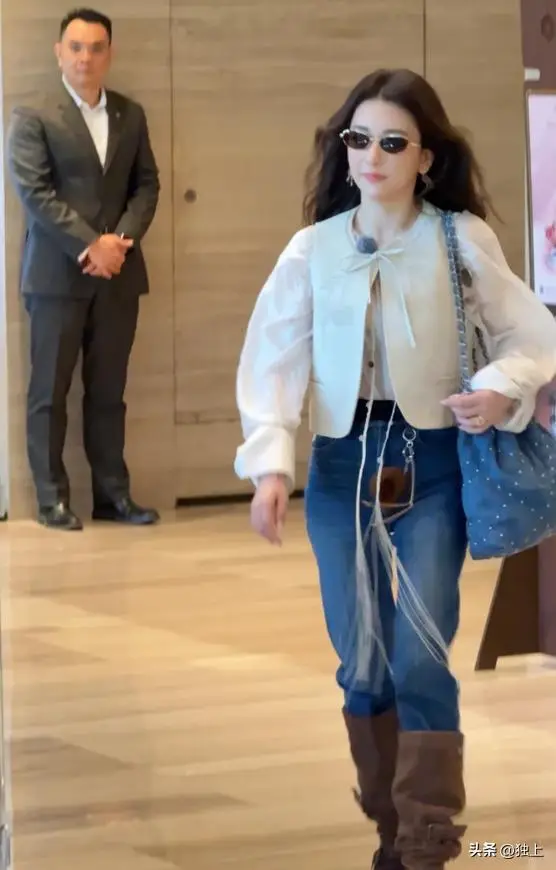
The recently shared images, taken during a public appearance at an F1-related event, placed Moka Fang alongside Aaron Kwok and Jimmy Lin, offering a rare opportunity for direct visual comparison. Such moments often prompt renewed scrutiny, as differences between stylized online content and real-world appearances become more apparent.
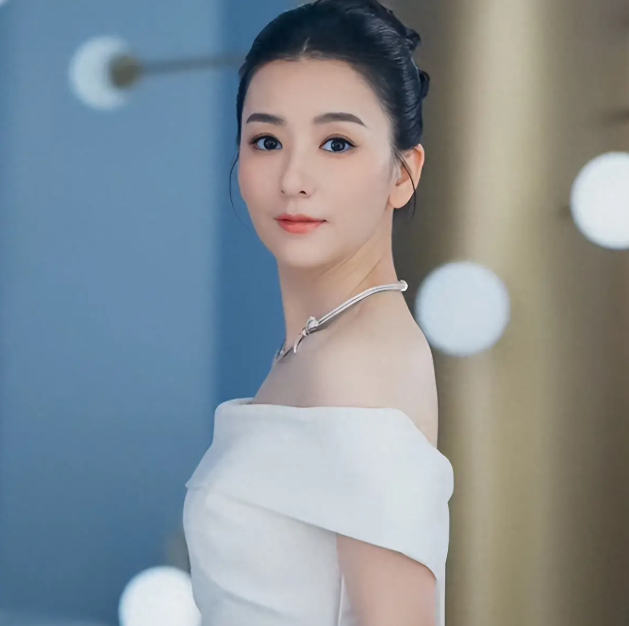
The situation has reignited broader conversations about how celebrity images are constructed and consumed. In many cases, what audiences see online represents a carefully curated version of reality, shaped by styling, camera angles, and post-production editing. When candid images emerge, they can challenge these perceptions, leading to varied reactions.
=
At the same time, discussions surrounding Moka Fang highlight the evolving expectations of audiences. Viewers are becoming increasingly aware of the distinction between digital presentation and authenticity, prompting more critical engagement with online content.
Ultimately, the attention surrounding Moka Fang serves as a reminder of the complexities behind public image. As audiences navigate an environment saturated with curated visuals, the ability to approach such content with discernment becomes increasingly important.

