In the maze of old streets along Chongqing’s historic docks, one dish has risen from humble beginnings to become a defining symbol of local food culture: Maoxuewang. Born in the bustling port area of Ciqikou, this bold, chili-laden dish embodies the energy and grit of a riverside city shaped by trade, labor, and spice.
At first glance, Maoxuewang is an intense visual experience. A deep red broth shimmers with layers of chili oil, releasing an aroma that is both numbing and inviting. Beneath the surface lies a rich assortment of ingredients: silky duck blood, as soft as tofu, contrasts with the crisp bite of tripe and the springy texture of pork aorta. Slices of luncheon meat, bean sprouts, and black fungus round out the composition, each element absorbing the complex flavors of the broth.
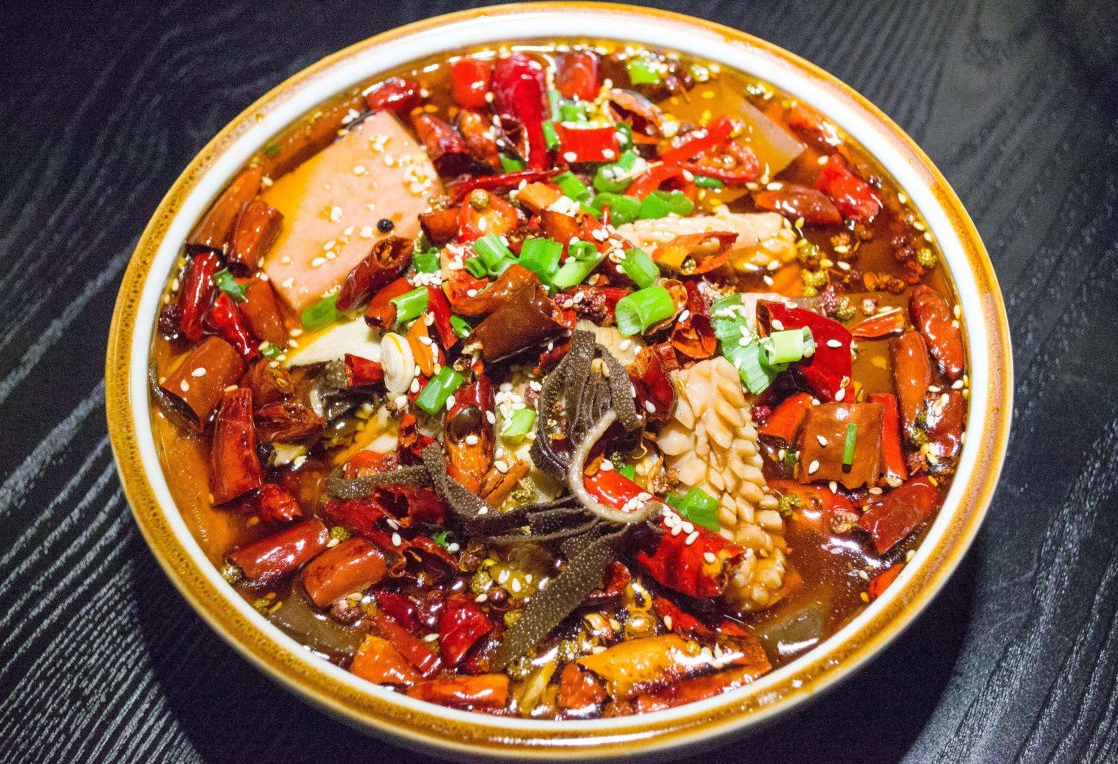
What makes this dish unforgettable is its balance. The signature Chongqing “mala” profile—numbing Sichuan peppercorn paired with fiery chili heat—creates a sensation that is bold yet addictive. The broth is not merely spicy; it is layered with umami and depth, delivering heat, fragrance, and richness in every bite. Served piping hot, it offers a full sensory experience: the tingling lips, the rising warmth, and the lingering aroma.
Originally, Maoxuewang was a quick, inexpensive meal for dock workers who needed something filling and energizing. Using readily available ingredients, vendors created a dish that was both practical and satisfying. Over time, its popularity spread beyond the docks, evolving into a staple of Chongqing’s “jianghu cuisine”—a style known for its robust flavors and unpretentious character.
Today, travelers to Chongqing often seek out Maoxuewang as an essential culinary experience. It is more than just a dish; it is a reflection of the city itself—intense, vibrant, and unapologetically bold. Whether enjoyed in a small local eatery or a modern restaurant, each steaming pot tells a story of tradition, resilience, and the enduring appeal of spice.

