In 《逍遥》- “The Unclouded Soul”, Zhang Xiaowan’s character Da Li is not designed to be immediately understood or embraced. Her actions—withdrawal, silence, and apparent betrayal—initially position her as a cold and self-serving figure. Yet as the narrative unfolds, Da Li emerges as one of the drama’s most complex and grounded characters.
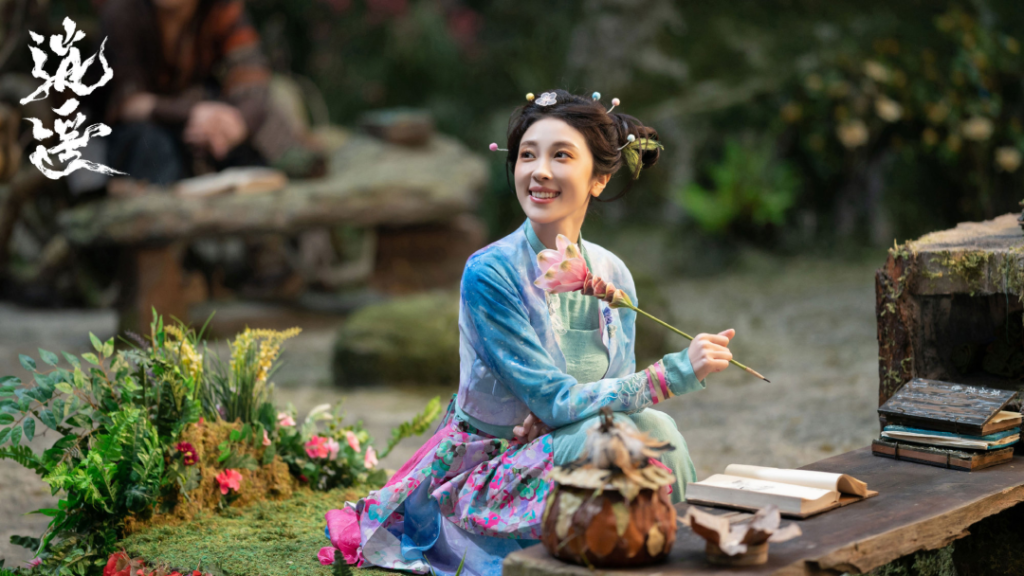
When Da Li and the character played by Tan Songyun enter the Smoke Illusion Realm, they are quickly suppressed by Zhao Liying’s Sui Meng Immortal Lord. Faced with escalating danger, Da Li publicly distances herself from her companion, choosing to remain in the realm to preserve her own life. On the surface, this decision appears ruthless, reinforcing the idea that she has turned her back on friendship at the first sign of threat.
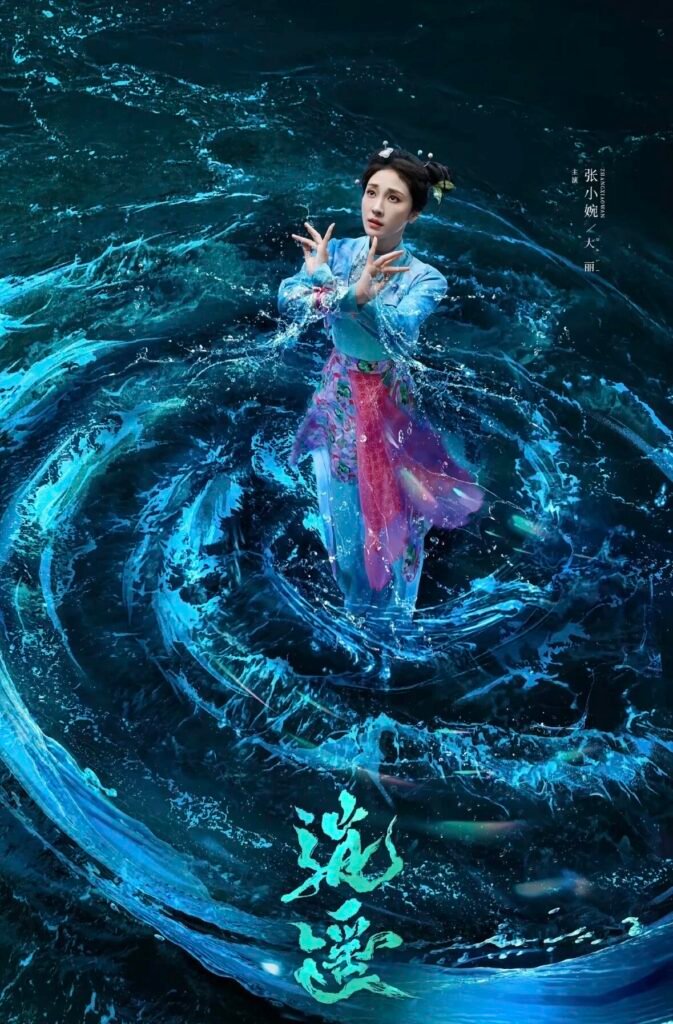
The cooking trial further deepens this perception. Da Li takes the flower cake recipe from Tan Songyun’s character, seemingly securing her own survival at another’s expense. Yet the narrative subtly complicates this act: as a flower spirit who does not partake in human food, Da Li learned the recipe from Tan Songyun in the first place. Beneath the act of appropriation lies an unresolved emotional bond that the story deliberately leaves unspoken.
When Tan Songyun ultimately wins the trial with a simple bowl of clear noodle soup, the audience witnesses a pivotal moment. While others see Da Li as heartless, she quietly exhales in relief at her friend’s victory. This restrained reaction reframes everything that came before—it suggests that Da Li never wished for her friend’s downfall, only for a path where neither would be destroyed.
Before the second trial begins, Da Li withdraws even further. She avoids conflict, ensures her basic needs are met, and conceals all signs of ambition. This shift feels less like character growth in a conventional sense and more like survival instinct refined by experience. Her restraint is not weakness, but calculation.
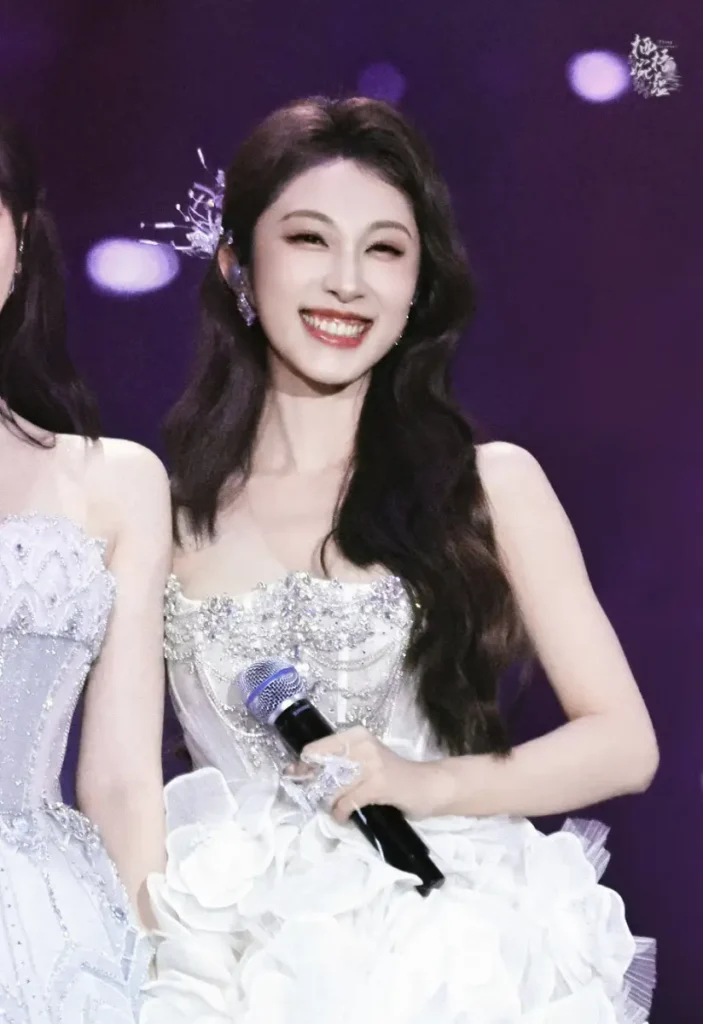
The drama reveals that Da Li cultivated her existence within the courtyards of wealthy households. In such spaces, survival depends on reading power dynamics and knowing when to step back. She understands better than anyone that overt defiance often leads to erasure. Her apparent betrayal, then, is not a rejection of friendship but a strategy to endure long enough for another outcome to be possible.
Through Da Li, Xiaoyao offers an alternative definition of loyalty. True friendship, the drama suggests, is not always about standing side by side in danger. Sometimes it means preserving strength, waiting, and striking only when doing so will truly protect the other. This is the truth that Sui Meng Immortal Lord fails to grasp. Scarred by romantic betrayal, she believes human nature to be inherently selfish, blind to quieter forms of devotion that operate beneath the surface.
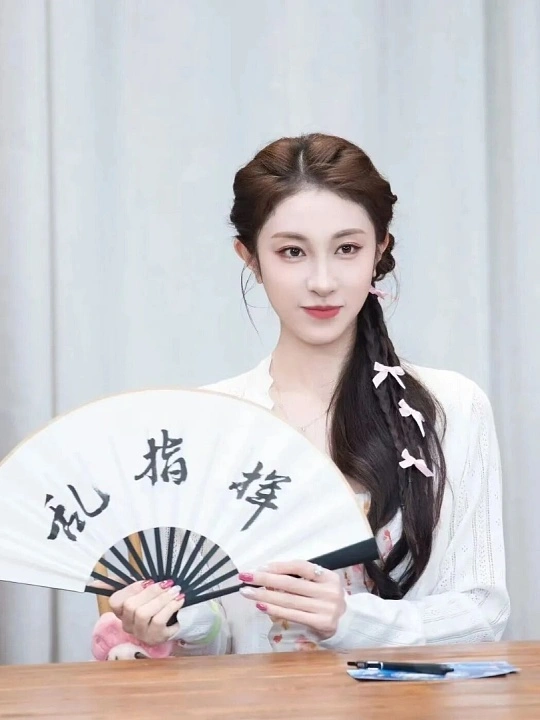
Zhang Xiaowan’s performance anchors this interpretation with restraint and clarity. Rather than rushing to redeem her character, she allows Da Li’s contradictions to remain visible, trusting the audience to sit with discomfort and reconsider their judgments. Born on November 12, 1991, in Zhengzhou, Henan Province, and a graduate of the Musical Theatre Department at the Beijing Dance Academy, Zhang brings both discipline and emotional control to the role.
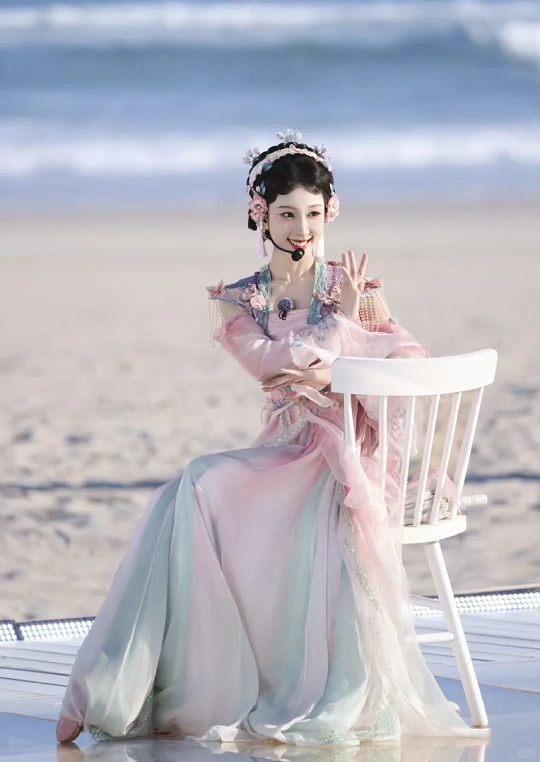
In Xiaoyao, Da Li is not an idealized friend, but she is a truthful one. Her choices may be morally ambiguous, but they are consistently conscious. It is this clarity—and this quiet endurance—that makes her one of the drama’s most resonant figures.

