Television in 2025 has been anything but quiet. While new productions continue to flood the market, many viewers find themselves increasingly conflicted. Familiar actresses remain highly visible, yet their performances no longer consistently meet audience expectations. Recently, online discussions around an unofficial “acting controversy ranking” brought renewed attention to Zhao Liying, Liu Shishi, and Esther Yu, each representing a different set of challenges.

Zhao Liying’s guest appearance as a villain in Xiaoyao was initially seen as a promising opportunity to showcase range. However, after the drama aired, some viewers felt her performance appeared restrained and overly controlled, with limited emotional depth. Criticism surrounding stiff line delivery and muted expression echoed similar reactions from her earlier work in A Guilty Conscience. As an actress with multiple major awards, Zhao inevitably faces higher expectations, making any perceived decline more noticeable.
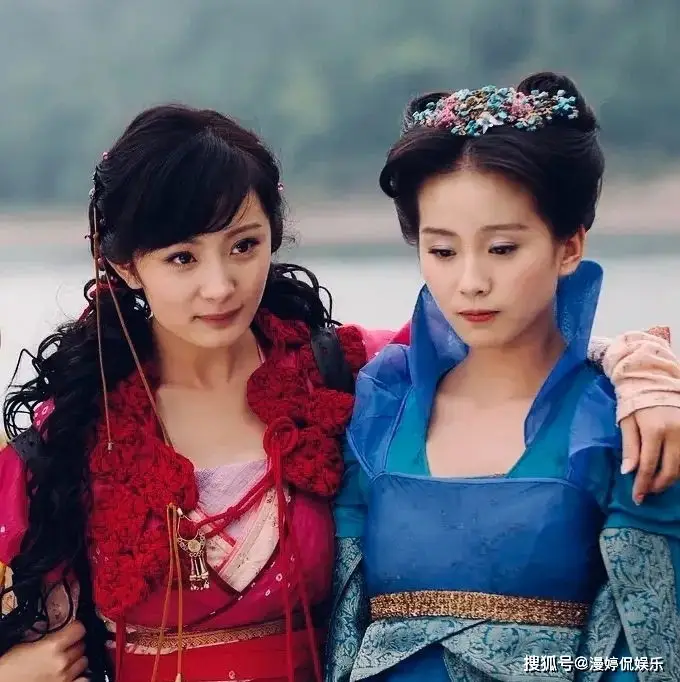
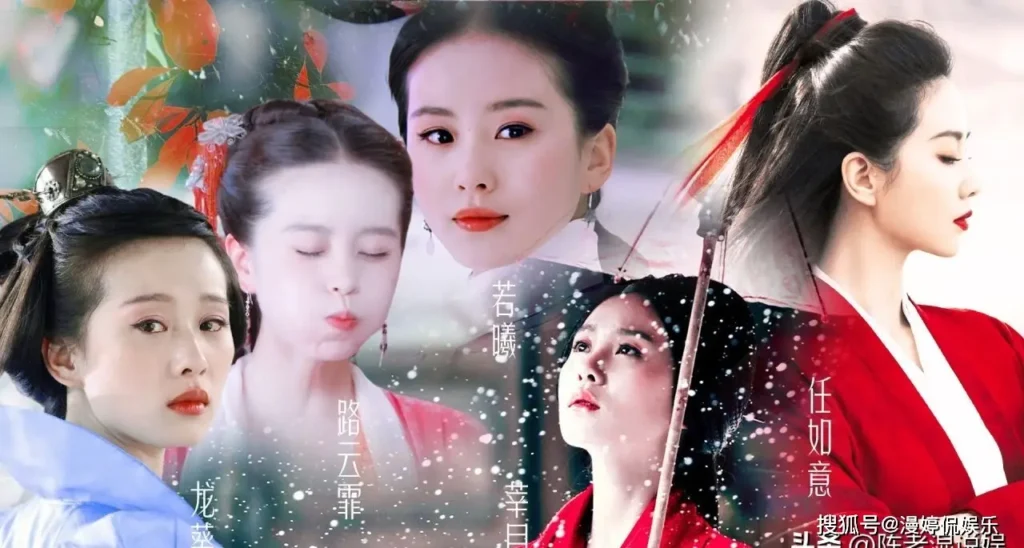
Liu Shishi’s situation is often framed as a matter of typecasting. Over the years, her on-screen persona in costume dramas has remained largely unchanged, characterized by calm restraint and emotional minimalism. In Huai River Bamboo Pavilion, she portrays a character with a layered backstory, yet some audiences found it difficult to sense the character’s internal struggle. The repetition of familiar traits has led to growing fatigue and renewed calls for her to explore broader genres.
Esther Yu, on the other hand, continues to attract debate due to her highly stylized acting approach. Despite approaching her thirties, she frequently plays youthful roles and relies on exaggerated facial expressions and vocal delivery. While this once set her apart, critics argue that repeated use has diminished its effectiveness, making performances feel formulaic rather than sincere.
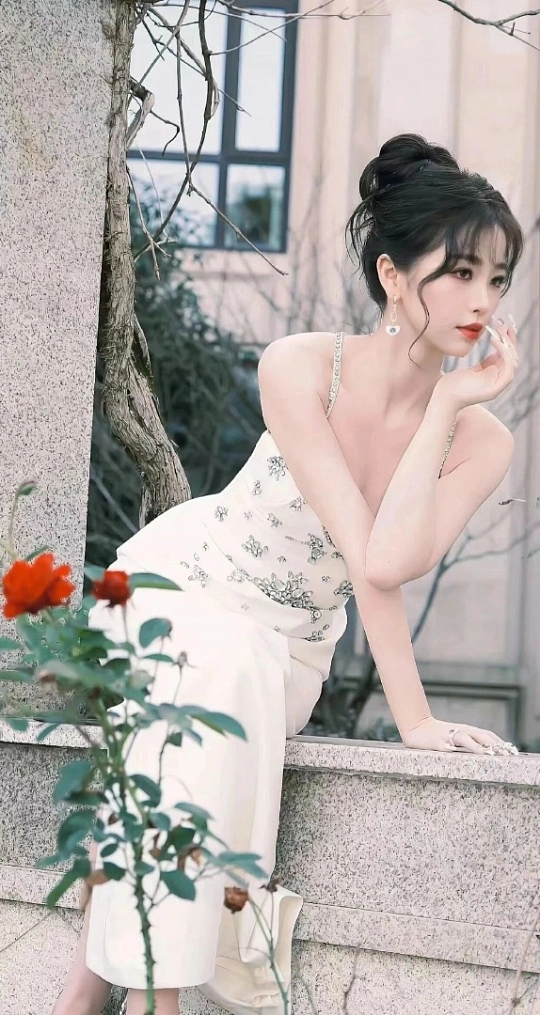
It is worth noting that none of these actresses lack dedication. Zhao Liying has actively pursued more grounded roles, Liu Shishi maintains a steady filming schedule, and Esther Yu remains consistently visible across dramas and variety shows. However, in an industry driven by speed and traffic metrics, opportunities for deeper character development are often limited.
Production realities further complicate the issue. In some cases, projects begin filming before scripts are fully refined, leaving little room for actors to explore their roles in depth. As a result, performances may suffer, regardless of individual effort.
Ultimately, this wave of criticism reflects a broader shift in audience expectations. As viewers become more discerning, acting quality is scrutinized more closely than ever. Trends and popularity may change, but authentic and nuanced performances remain what audiences value most.

