The results of a recent online poll ranking the “Top 5 Most Beautiful Post-2000 Chinese Drama Actresses” have sparked widespread discussion. All five actresses enjoy high-profile resources within their generation, yet each also carries her own share of debate. More than a simple beauty ranking, the list reflects the complex realities facing a new generation of actresses navigating visibility, expectations, and public scrutiny.
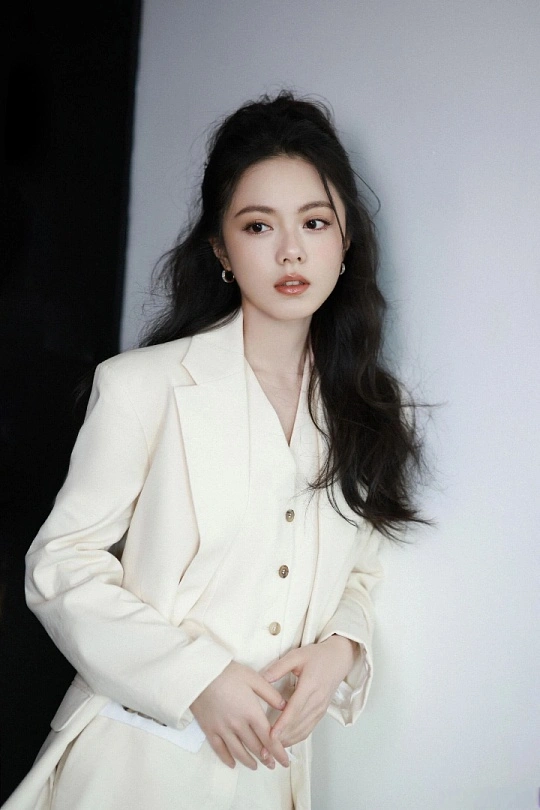
At No. 5, Zhao Jinmai represents the classic child star who successfully transitioned into adulthood. Her youthful, approachable appearance may not be strikingly glamorous, but it has earned her lasting audience goodwill. What truly sets her apart is her acting foundation. With solid line delivery and emotional control, she has built a reputation for being convincing across genres. Her steady stream of projects and gradual evolution in fashion positioning signal a career defined more by consistency than hype.
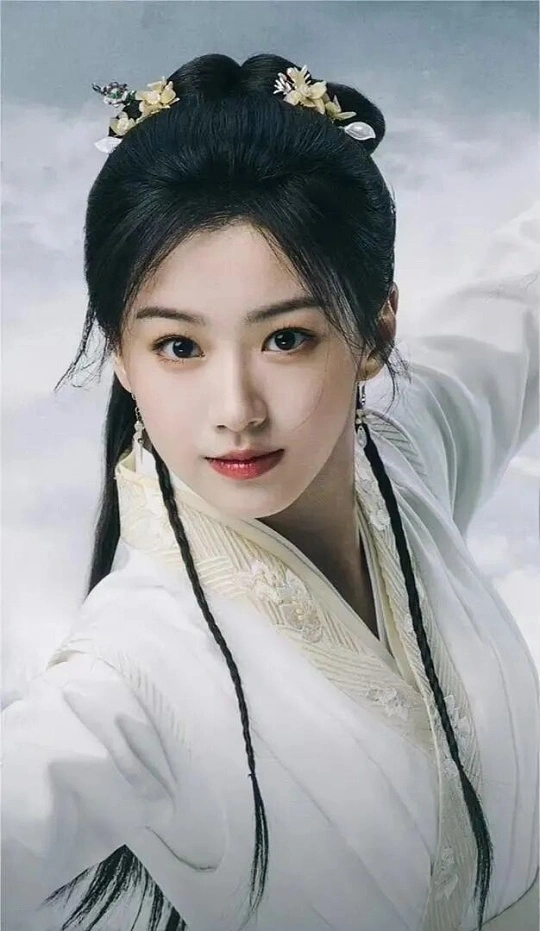
Ranked No. 4, Bao Shangen has emerged as a strong contender in historical dramas. Her fresh, agile look translates particularly well to period costumes, giving her an edge in a competitive genre. From supporting roles to leading parts, her rise has been methodical rather than abrupt. With multiple projects awaiting release, she maintains steady momentum while expanding her range.
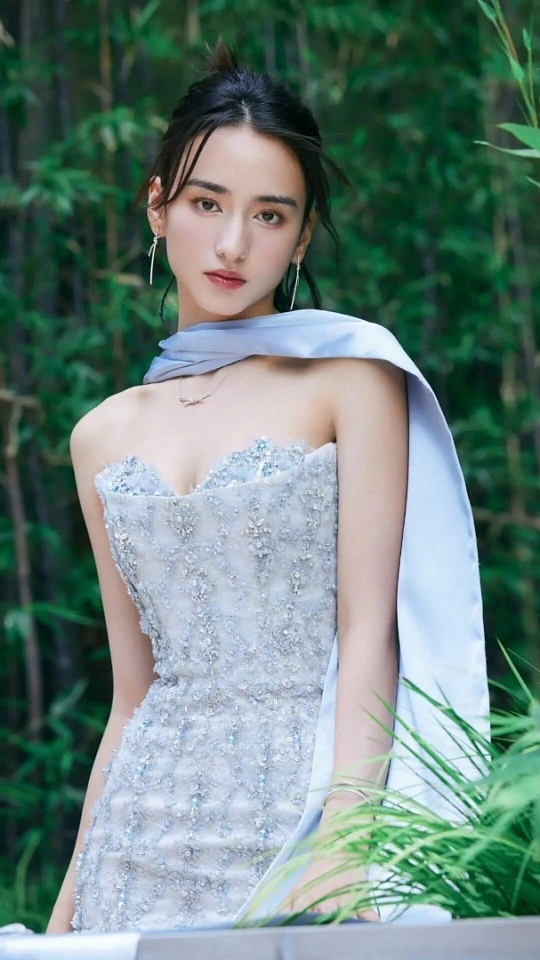
At No. 3, Li Wanda stands out as a “strong-featured” actress who crossed over from film to television. Discovered early by renowned directors, she entered the industry with an unusually high starting point. Her mature facial structure and commanding screen presence differentiate her from more youthful-looking peers. Recent casting choices suggest that the industry views her as a long-term investment rather than a short-lived trend.
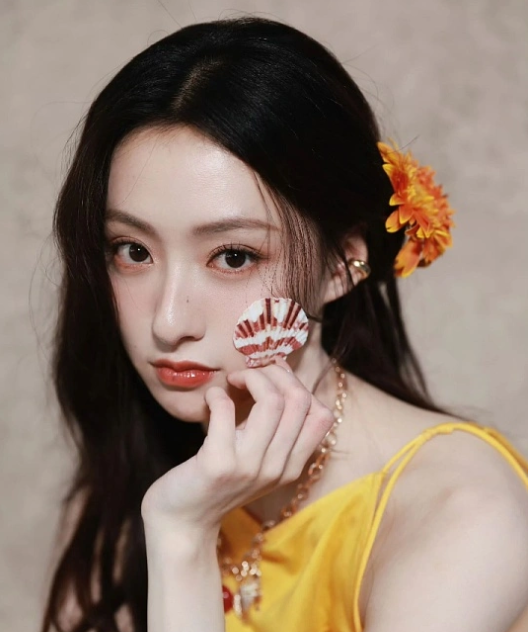
Taking No. 2, Hu Lianxin occupies a rare niche among post-2000 actresses with her elegant, mature beauty. Her presence in costume dramas is particularly striking, allowing her to stand out even among ensembles filled with well-known faces. Although her recent exposure has been relatively restrained, her visual identity remains highly valued within the historical drama market.
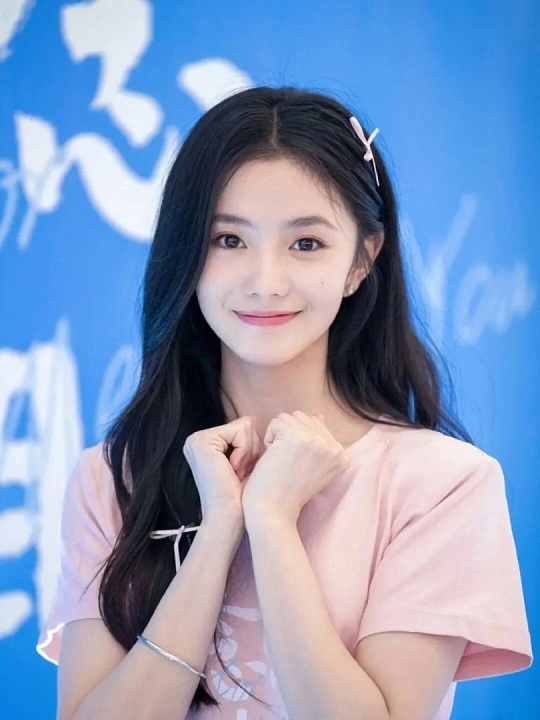
Claiming the top spot is Liu Haocun, arguably the most polarizing figure on the list. Her delicate features and natural screen charisma are widely acknowledged, and her career launch placed her far ahead of most peers. Yet persistent controversies surrounding her family background have significantly affected public perception. As a result, she embodies a paradox: exceptional recognition paired with divided audience sentiment. Despite this, her career strategy—balancing diverse roles and high-fashion endorsements—continues to reinforce her industry standing.
Ultimately, this ranking reveals more than shifting beauty standards. It highlights how post-2000 actresses are evaluated through a complex mix of appearance, performance, opportunity, and controversy. For audiences, choosing a favorite is increasingly about more than looks—it is about growth, credibility, and the promise of what lies ahead.

